What it Takes to Run an Earthquake Evacuation Center, as Told by an Emergency Doctor
Emergency disaster expert and physician Dr. Mototaka Inaba has faced more than his fair share of challenges on the job. He leads Peace Winds’ ARROWS disaster medical team and has responded to dozens of earthquakes, typhoons, wildfires, and other disasters, both in Japan and internationally. But after treating survivors of the July earthquake in Kumamoto Prefecture, Dr. Inaba was challenged to take on a new role: evacuation center manager.
“In a way, this might be more nerve-wracking,” are the words he uttered before starting his first night shift.
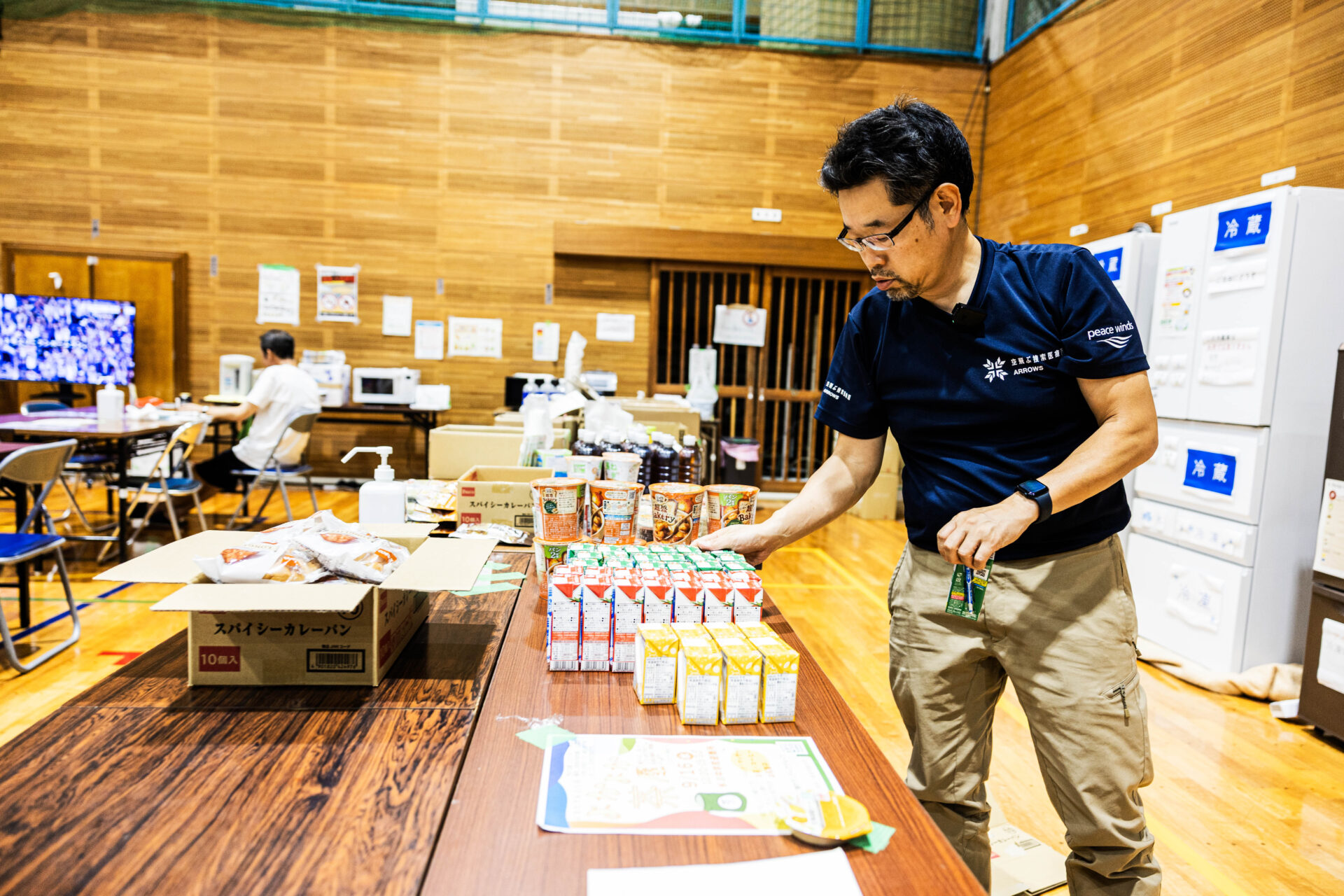
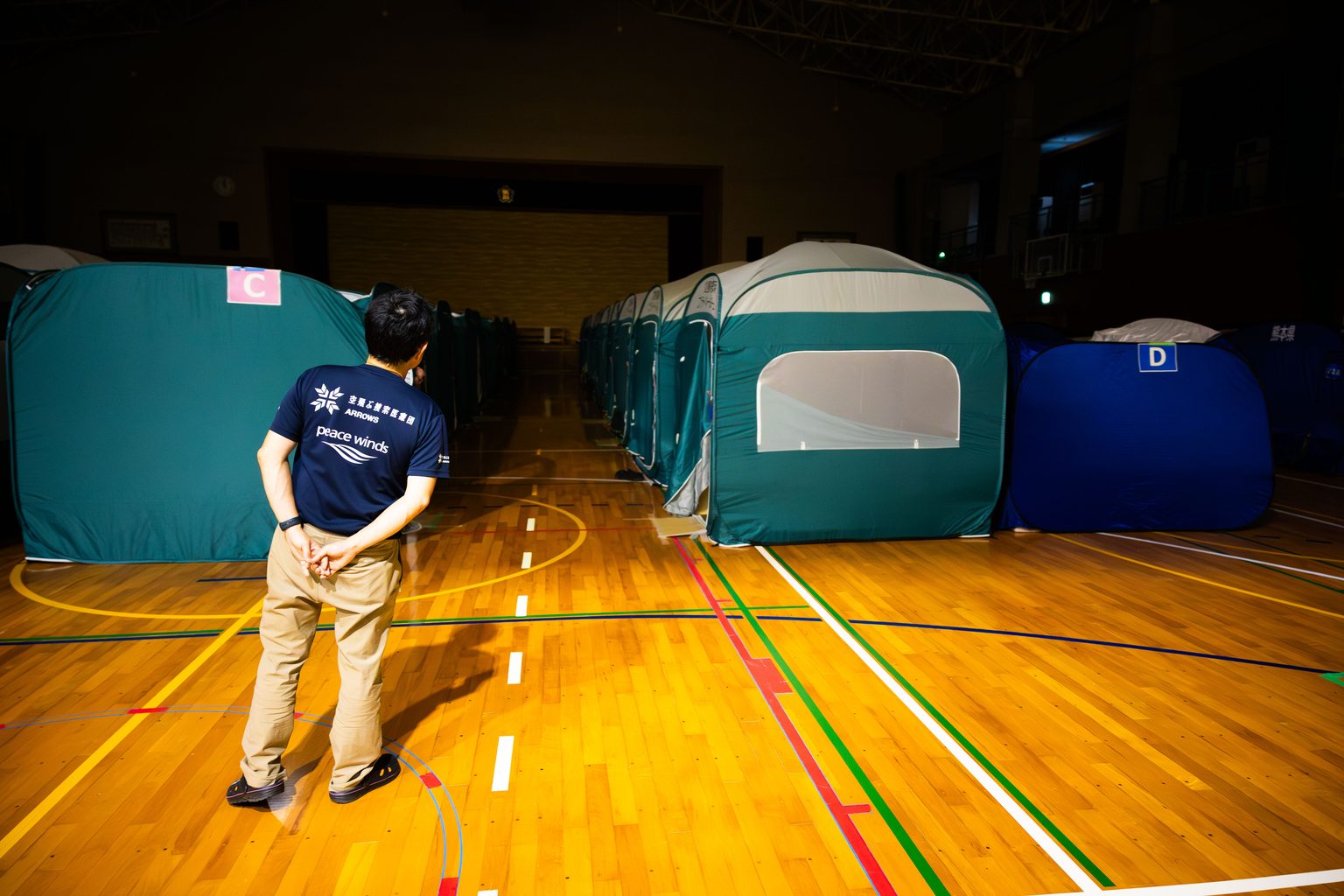
Peace Winds began managing all of the evacuation centers in the town of Hikawa at the request of the local government in September.
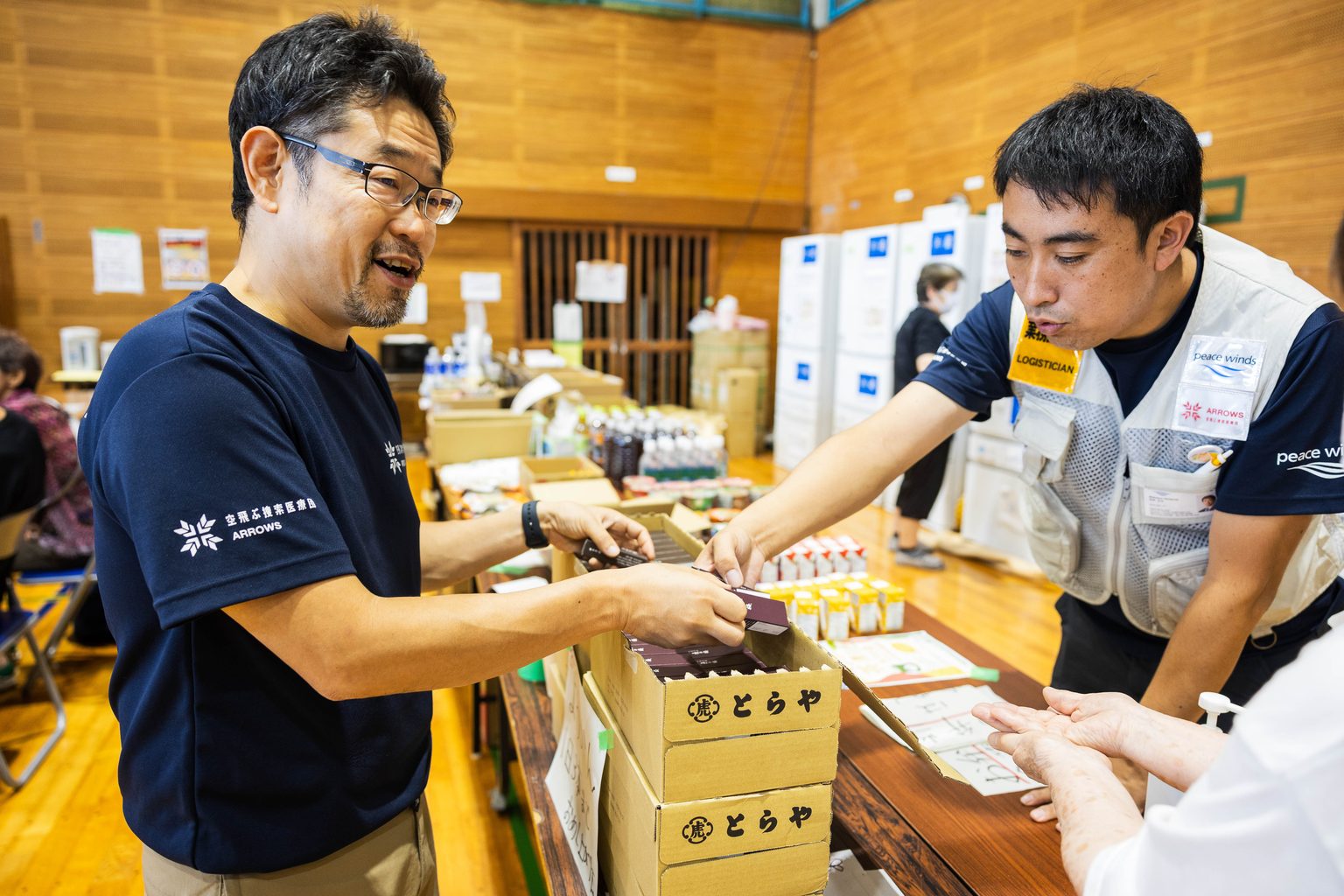
“Running an evacuation center effectively requires far more manpower than you might imagine,” Dr. Inaba says. “Until a system is in place, ARROWS members are taking turns going to the centers to help set them up.”
This time, he was in a disaster zone not as an emergency physician but as someone tasked with getting to know evacuees well enough to manage their individual day-to-day needs.
“Of course, I will step in as a doctor if necessary,” Dr. Inaba says. “But my primary role right now is simply to carry out my duties as a member of the evacuation center staff.”
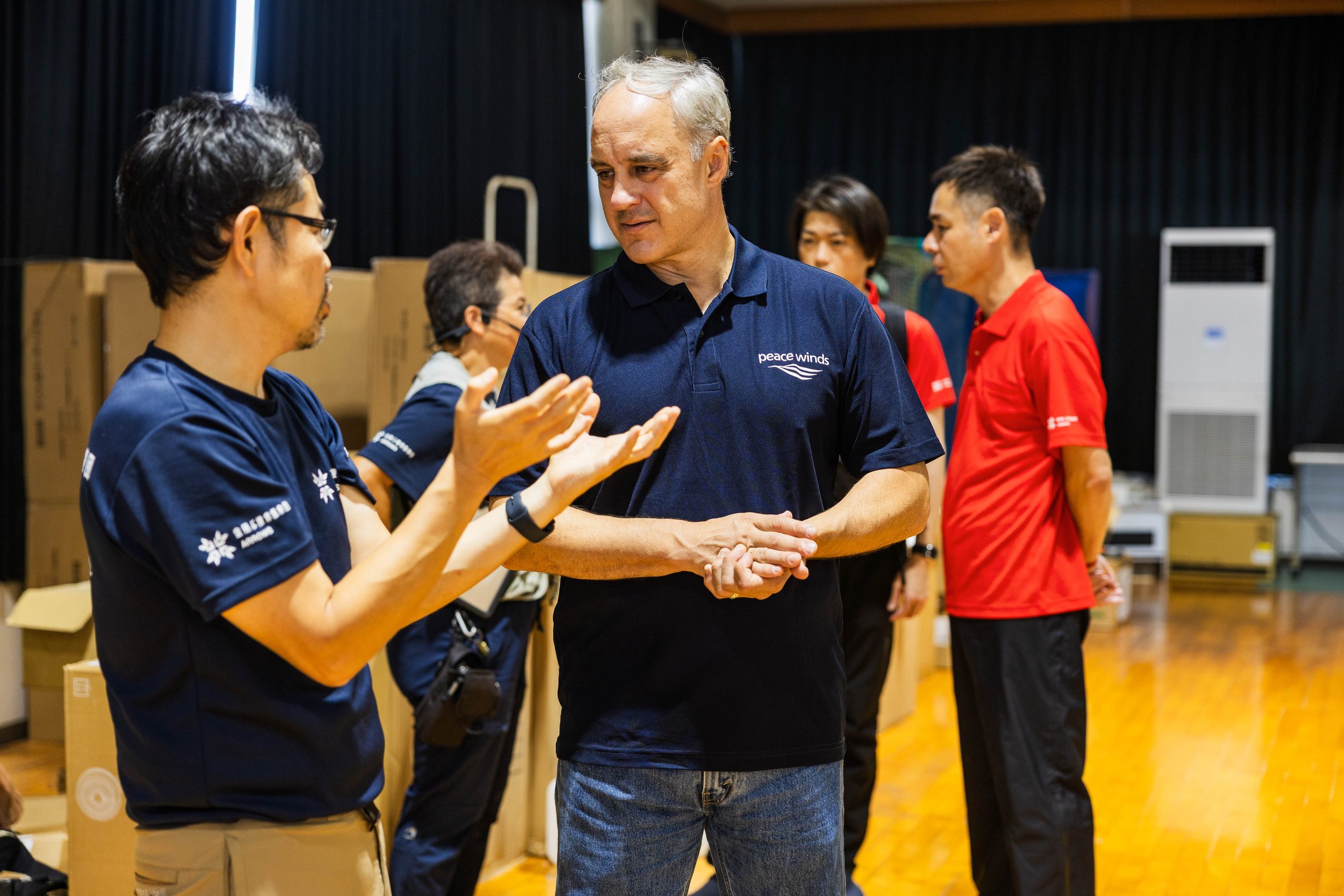
General evacuation centers in Hikawa are currently accommodating between 70 and 100 people each. But there are also specialized evacuation facilities for groups including the elderly and disabled, as well as for families with infants and toddlers. Even now, dozens to nearly 100 people are living in each of these shelters.
“Media coverage is decreasing over time, but there are still so many people who cannot return home,” Dr. Inaba reminds us. “Everyone is so tired. After several months, these centers have become more like residences than temporary evacuation sites.”
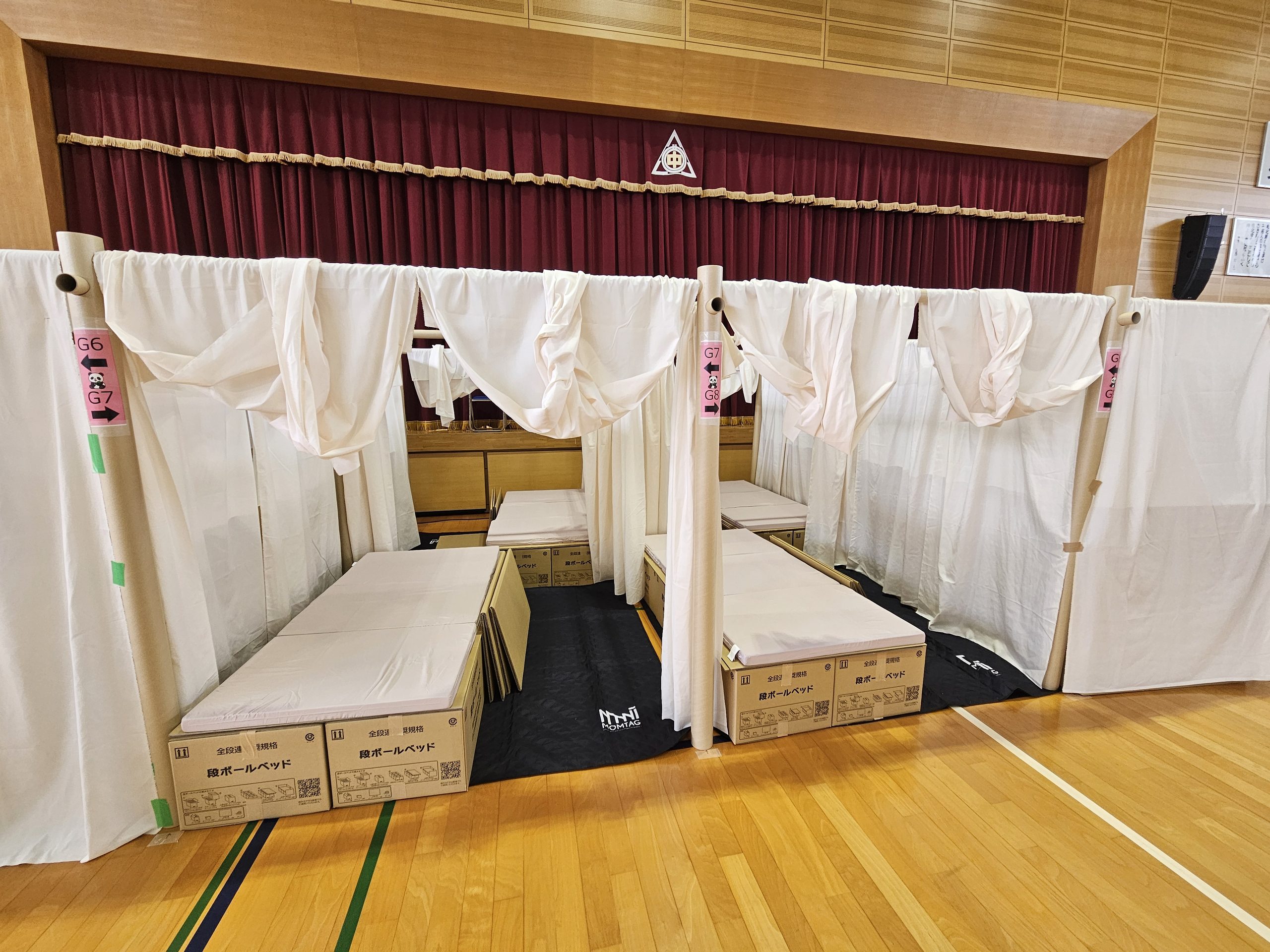
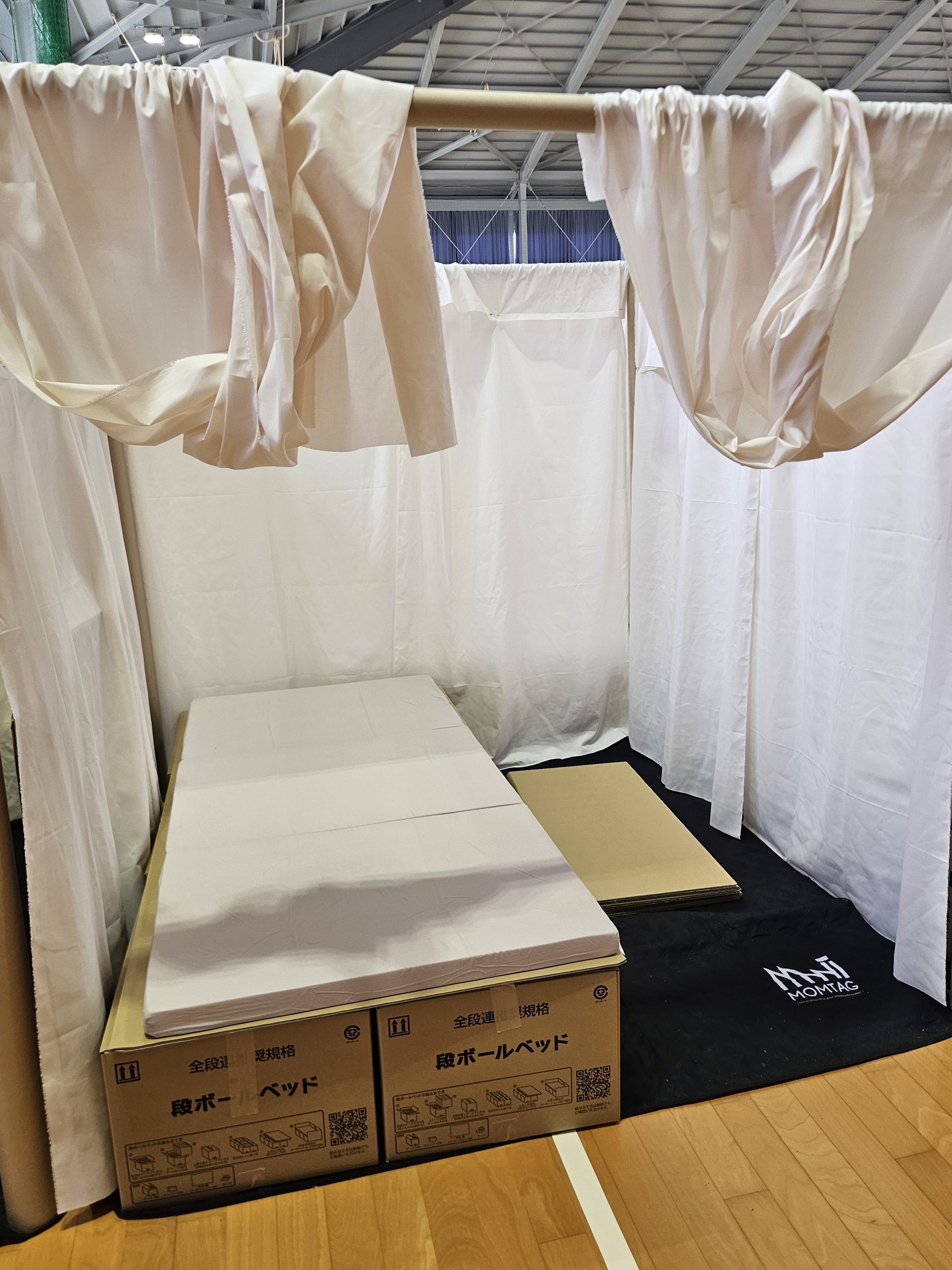
He tries to relieve some of the day-to-day inconveniences that come with these living conditions.
“‘There’s chaos in the line for the washing machine.’ ‘The nighttime noise and garbage sorting is too loud.’ These are just some of the frictions that arise with communal living,” he says.
They may seem trivial in the face of an earthquake, but on top of losing homes, losing loved ones, and trying to navigate the difficult logistics of recovery, small issues like these become amplified–especially after dealing with them for months on end.
This makes Dr. Inaba and his colleagues more like carers of people than just of the facilities themselves. They remain patient, compassionate, and aware of the fact that each person is an individual.
“We carefully listen to each of these issues, address them as best we can, and record every incident. We make sure to pass them on to the next shift staff and make improvements little by little.”
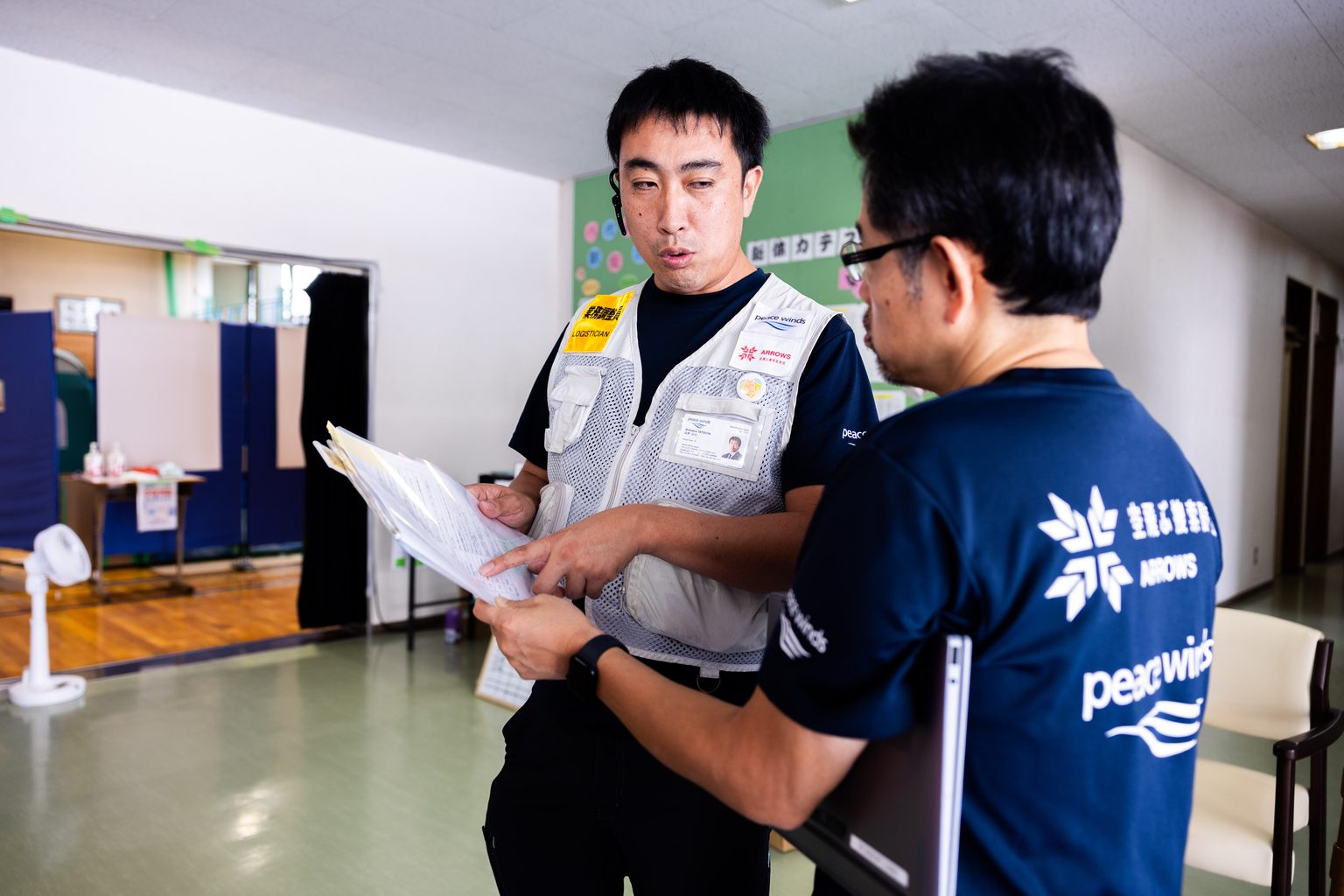
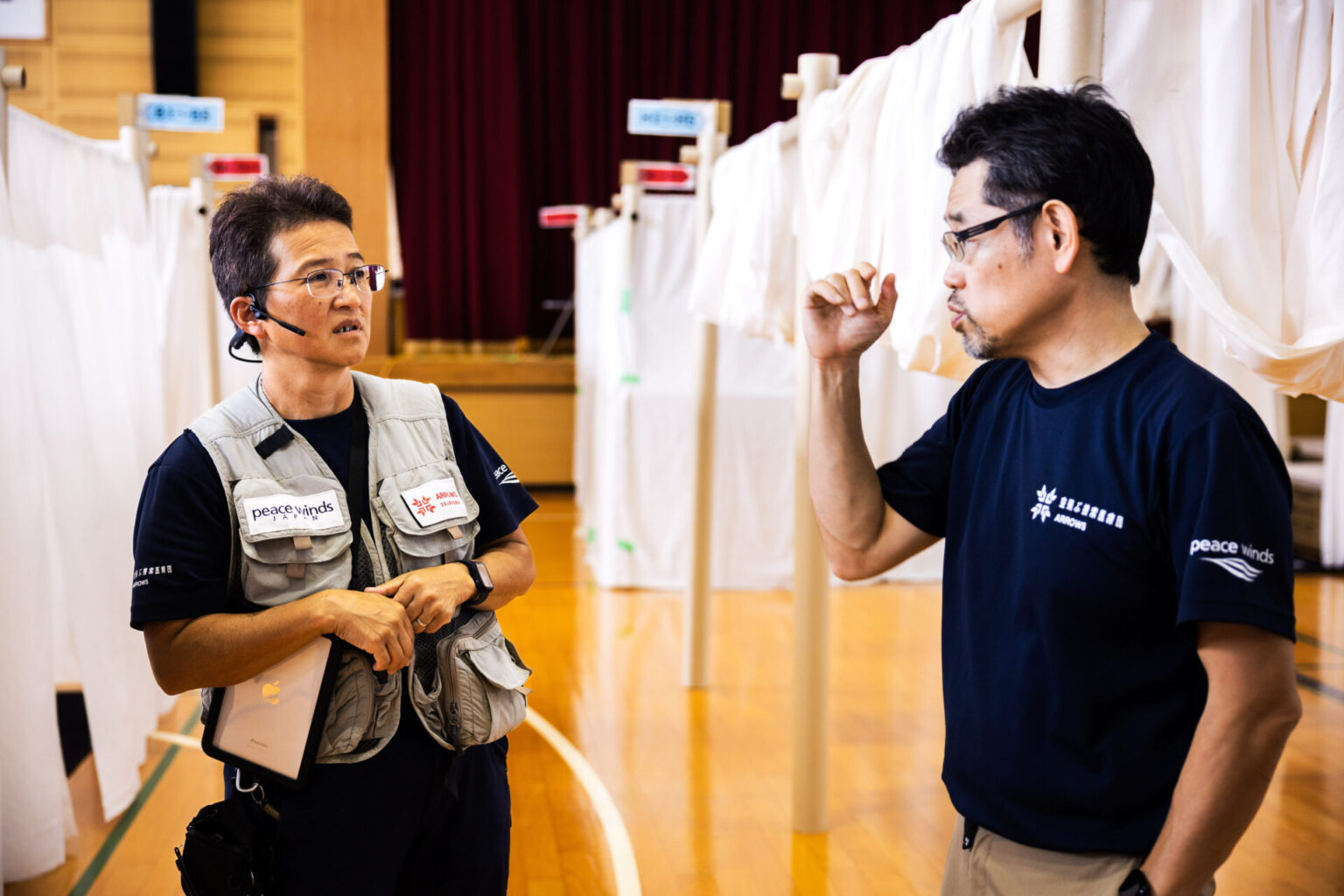
As life in the centers drags on, new conflicts are arising, too, such as over smoking and alcohol.
“We can’t simply tell people, ‘Please quit starting today.’ If it were that easy, there would be no need for specialized medical care like tobacco cessation clinics,” Dr. Inaba explains. “The same applies to alcohol. Is it really supportive to ask someone who regularly enjoys a drink in the evening to ‘please quit drinking now because you’re in a shelter’? It’s a really perplexing dilemma.”
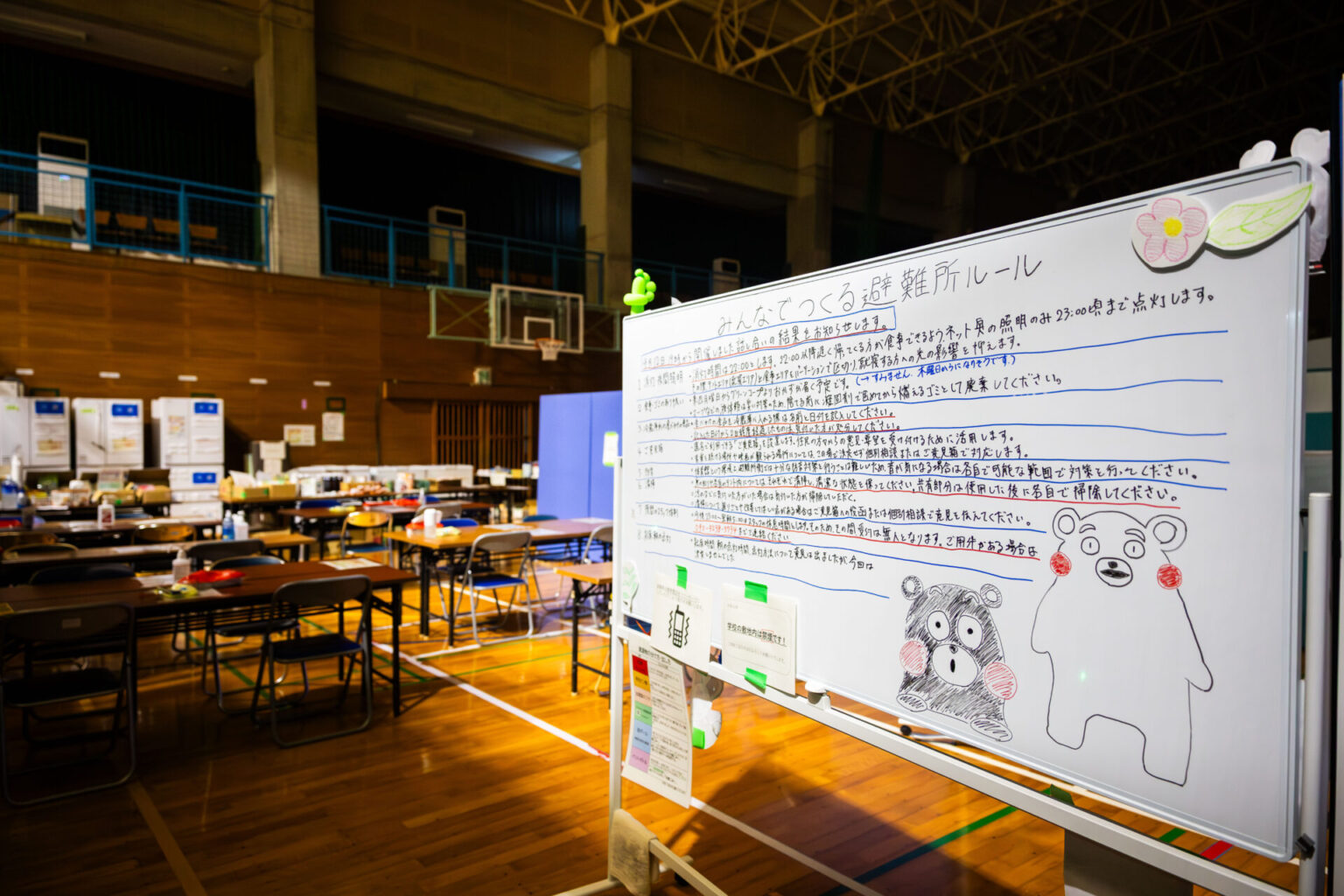
As a general rule, smoking and drinking alcohol are prohibited at shelters located in public facilities such as schools. The goal is to maintain discipline and safety as so many people share a small space.
In some types of communal living situations, like camps or field trips, there is a shared sense of purpose that makes it easier to maintain a level of order. But the only thing most people have in common here is that they have all lived through the same disaster. Since then, they have been forced to share a roof with others of different generations, values, beliefs, and lifestyles.
So the reality is that simple, systematic enforcement of rules–like no drinking or smoking–is not enough on its own. It can even deepen divisions between evacuees for whom the evacuation centers have become a temporary home. This is why Dr. Inaba and his colleagues focus heavily on communicating with residents and with one another without dismissing anyone’s complaints.
Part of Dr. Inaba’s current role also involves case management. Residents often need help accessing services like assisted living or government support programs, so Peace Winds staff connect them with the appropriate offices and guide them when they need it.
Evacuation centers are typically managed by local governments, but in Kumamoto, the responsibility has been handed over to private nonprofit organizations like Peace Winds. This has created a clearer division of roles. Government staff can now focus on core tasks, like infrastructure repair and rebuilding cities and towns.
“I think that evacuation center management by non-governmental organizations could represent […] a paradigm shift,” Dr. Inaba says. “We will evaluate the results and challenges of this in the future, and it will serve as an important test case as governments and other groups discuss how best to handle shelter management.”
Private, temporary housing is now opening in Kumamoto, and some evacuees have been able to move in. Peace Winds is helping them with the transition. However, it will likely be several more months before everyone who needs a unit can get one. Until then, we will continue to work closely with local governments, private organizations, and survivors themselves to ensure that programs are meeting what they truly need.