Project of the Month: Hot Meals for the Body and the Soul in Venezuela
In honor of World Food Day on October 16, this month’s Project of the Month Club donations will support Peace Winds’ hot meal program for earthquake survivors in Venezuela.
Or if you’d prefer to make a one-time donation, click here. Every bit makes a difference, no matter the size.
More than three months have passed since two devastating earthquakes struck Venezuela, and international attention and support efforts have declined considerably. Critical programs run by other organizations, including food assistance, are likewise drawing to a close.
In response, Peace Winds has resumed its “Takidashi” hot meal program to keep survivors nourished and to strengthen the community bonds that recovery depends on. It draws its name from the Japanese practice of preparing and distributing hot meals after a disaster.
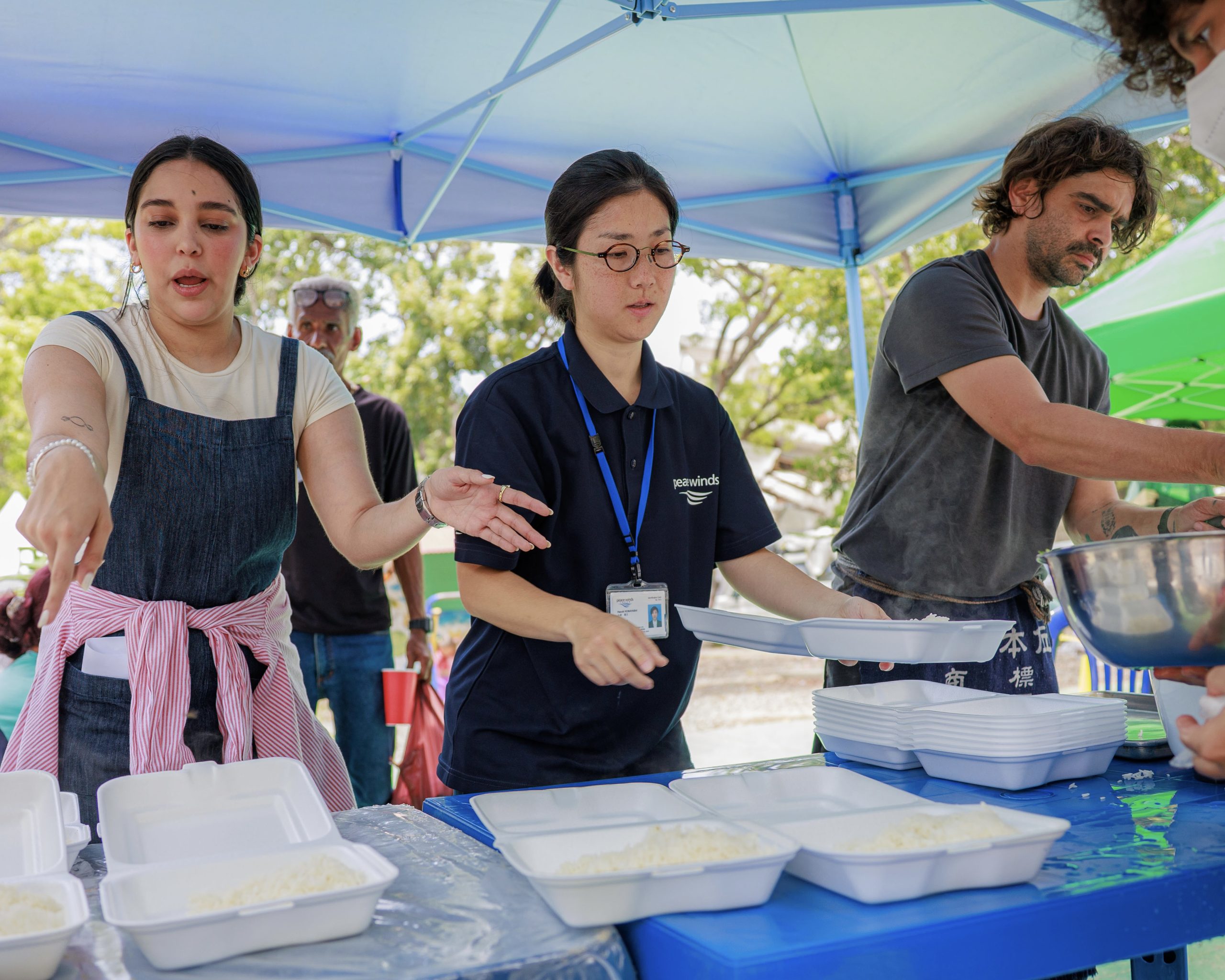
In partnership with Noraneko, a local ramen restaurant, and the Japanese Chamber of Commerce in Venezuela, our team prepares hot meals, most often Japanese curry and yakisoba, and serves them at several sites across La Guaira. Local restaurant staff carefully oversee the quality and flavor of the dishes, tailoring the recipes to local tastes. The meals have become a favorite among survivors and–by channeling funds into area restaurants rather than bringing in food from outside vendors–this program also supports the recovery of local businesses like Noraneko.
When the earthquakes struck, José Monsalve, owner of Noraneko, found himself asking, “What would be done in Japan in a situation like this?” Japan has endured many major disasters over the years, and as José studied how the country responded, he discovered the tradition of Takidashi. The idea resonated with him immediately. He wanted to offer more than just calories and nutrition, but also good meals made with love and care.
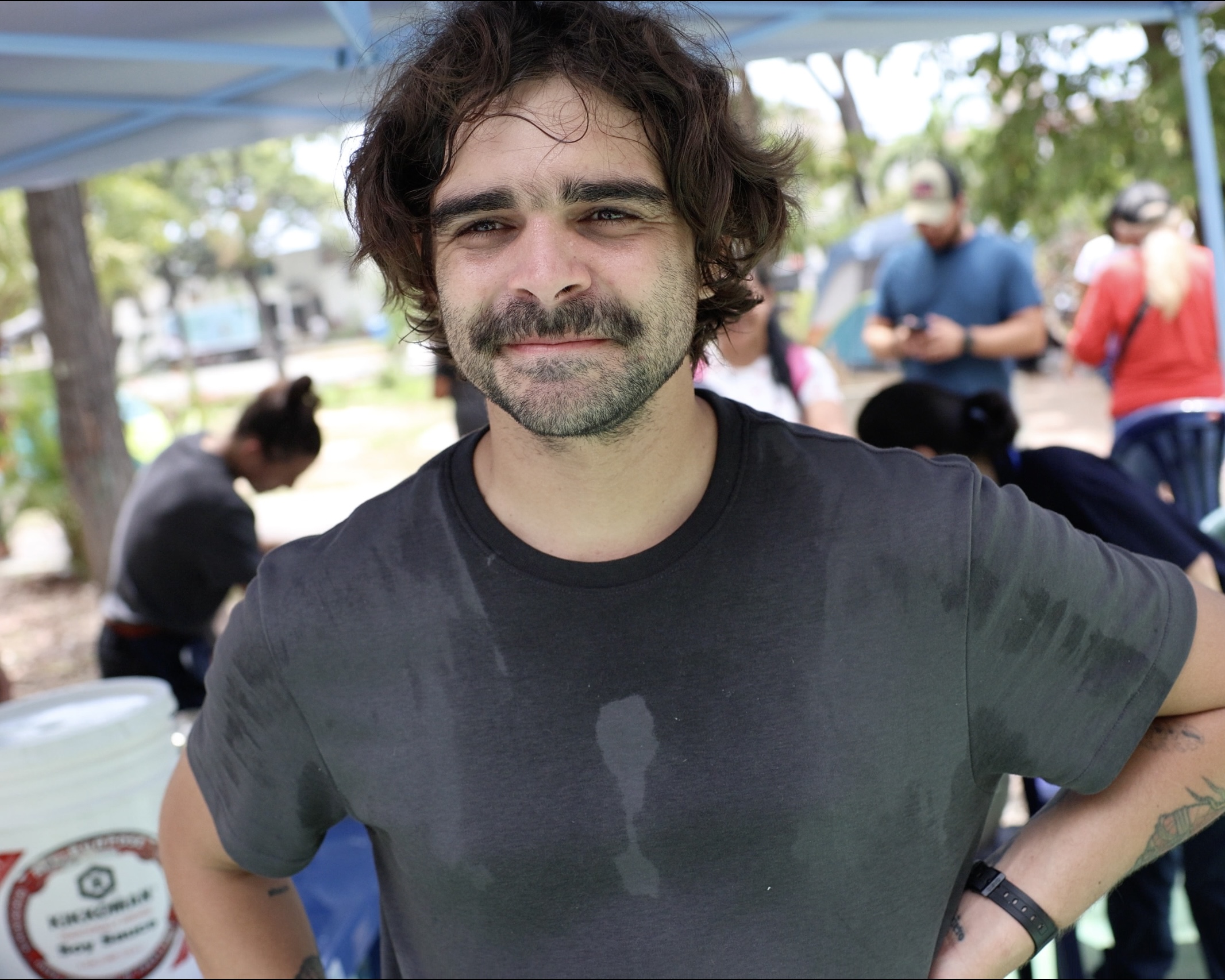
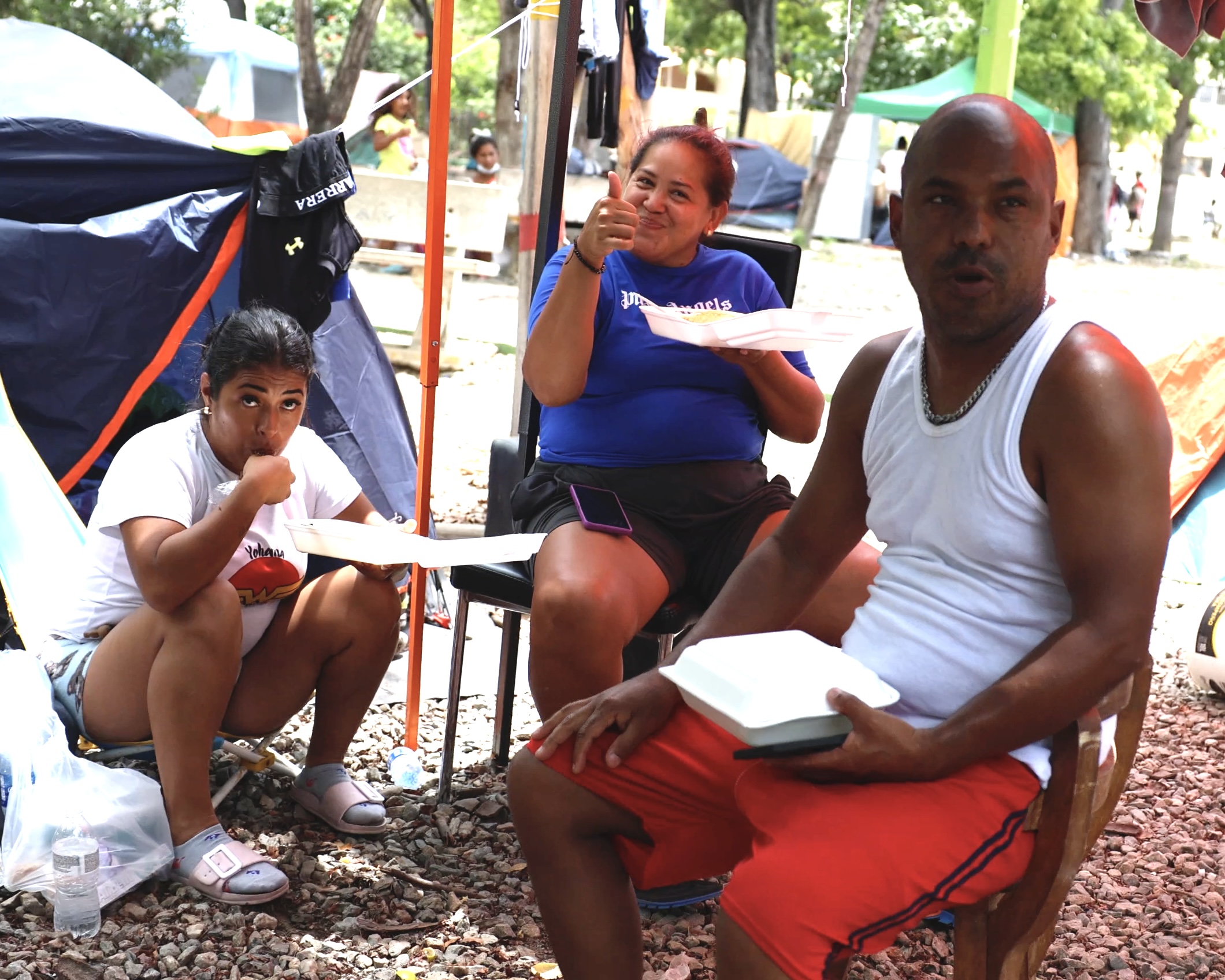
Shortly after the earthquakes, several of Peace Winds’ Japan-based emergency disaster responders deployed to Venezuela, and some Japanese staff continue to work alongside local staff as part of our Caracas-based team. This has added a meaningful element of cultural exchange to the hot meal distribution. Japanese curry was largely unfamiliar to people in Venezuela, but it quickly became a success. Survivors praised the dish, asked for the recipe, and came back for second helpings. At some sites, people also set up Japanese games such as kendama (a ball-and-cup style game) and shared other cultural experiences. Standing alongside survivors and their communities, the hot meals have become a bridge that strengthens international friendships.
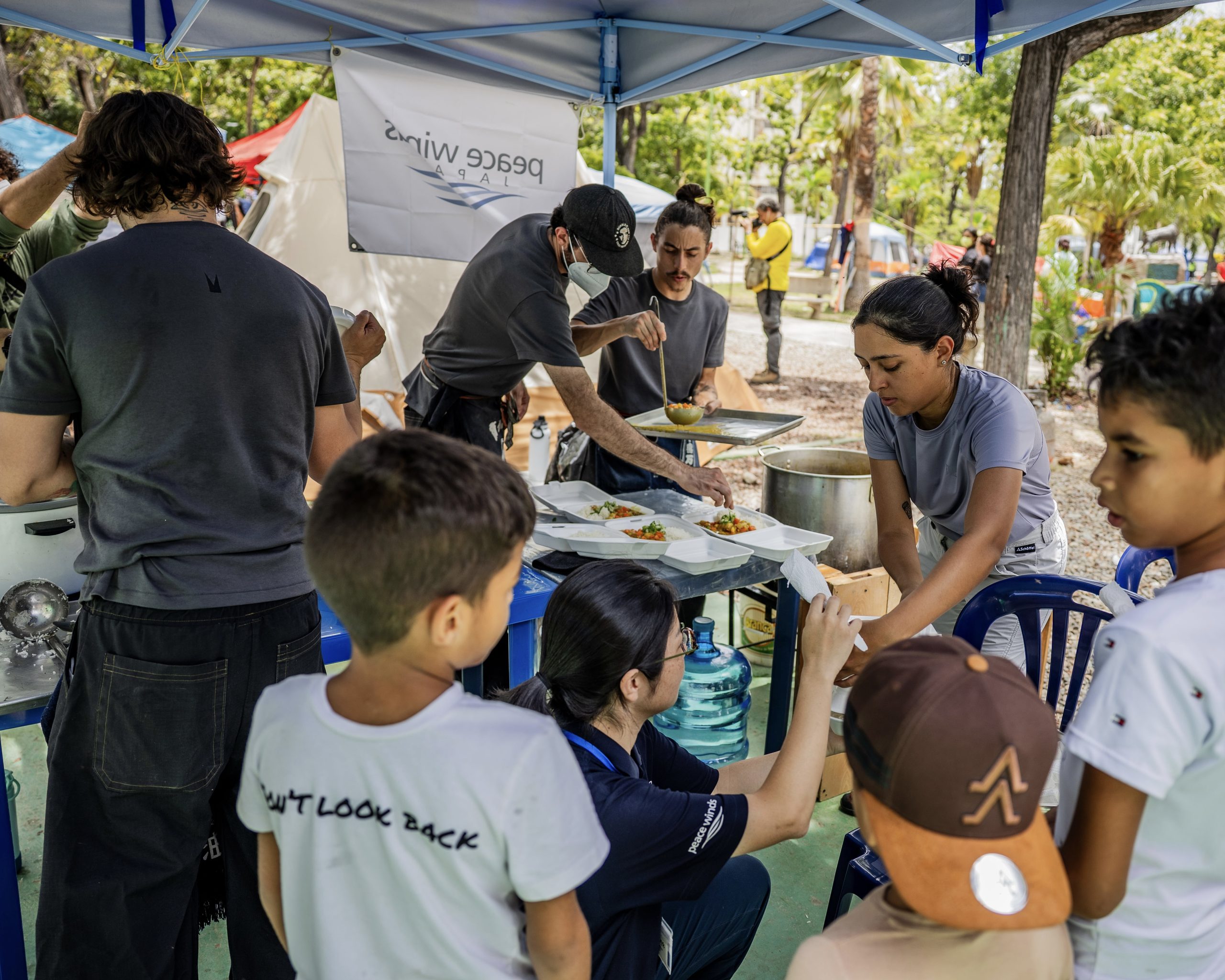
José expressed his dedication to the effort, noting that, “rather than helping for just a few days, I wanted our support to last until the very last person had made it back home.”
Peace Winds shares that commitment. We will continue delivering essential assistance for months to come, including this hot meal program, as communities move toward recovery.