After the Floods, Nepal’s Long Road Back to Normal
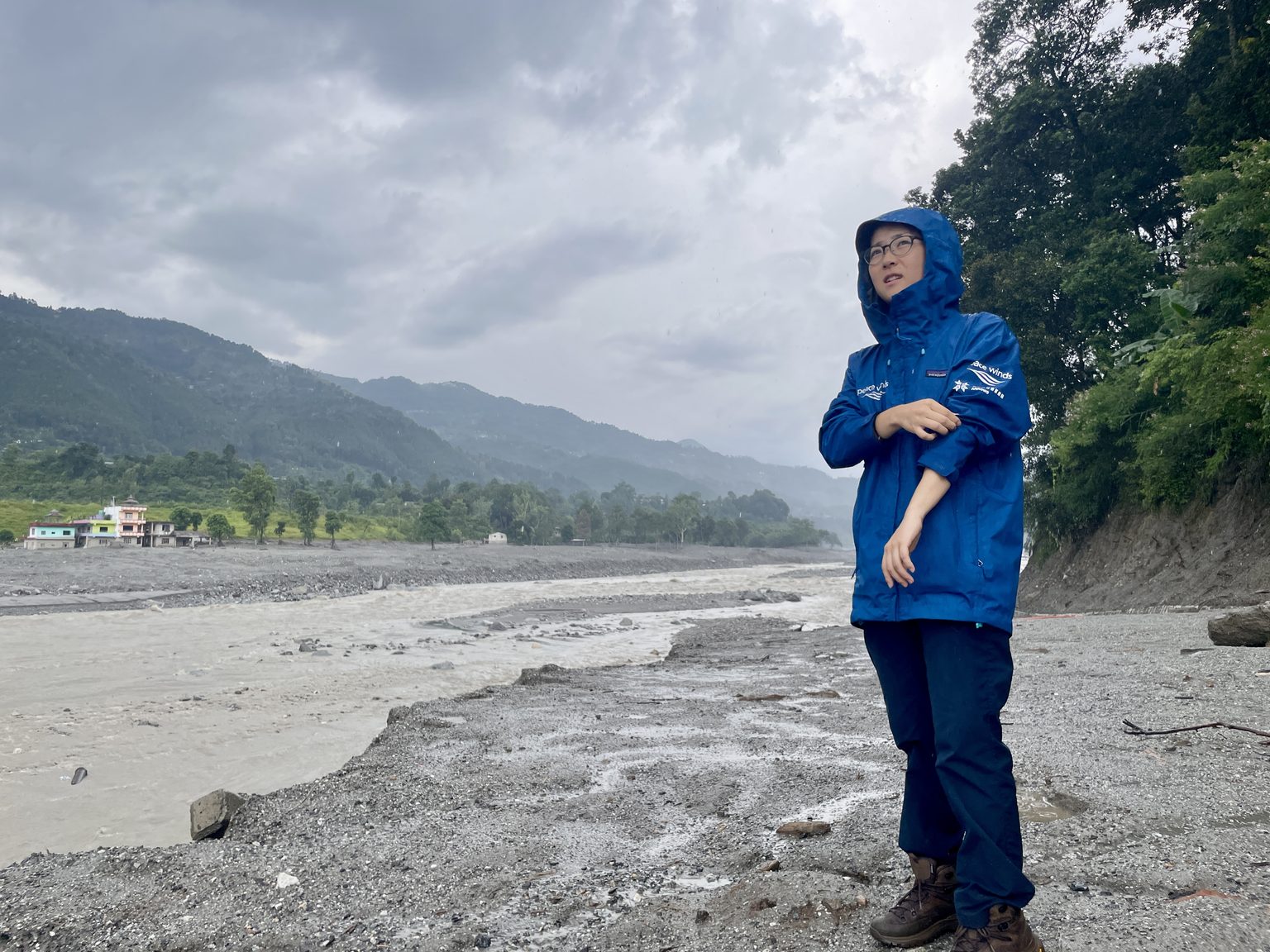
Since a massive flash flood swept through northern Nepalese valleys on August 26, Peace Winds disaster responders have been working alongside local partners to deliver urgent relief. While infrastructure repair is now moving ahead, our team continues to adapt as families’ individual needs persist and shift day by day.
In early September, Peace Winds began providing relief to families sheltering at Sundari Keurini Secondary School in Bidur, the capital of the central Nuwakot District. The school became a shelter for residents who lost their homes in the flood. While many people were fortunately able to get basic necessities like drinking water, food, and clothing, evacuees still lacked the cooking equipment and fuel needed to prepare their own meals
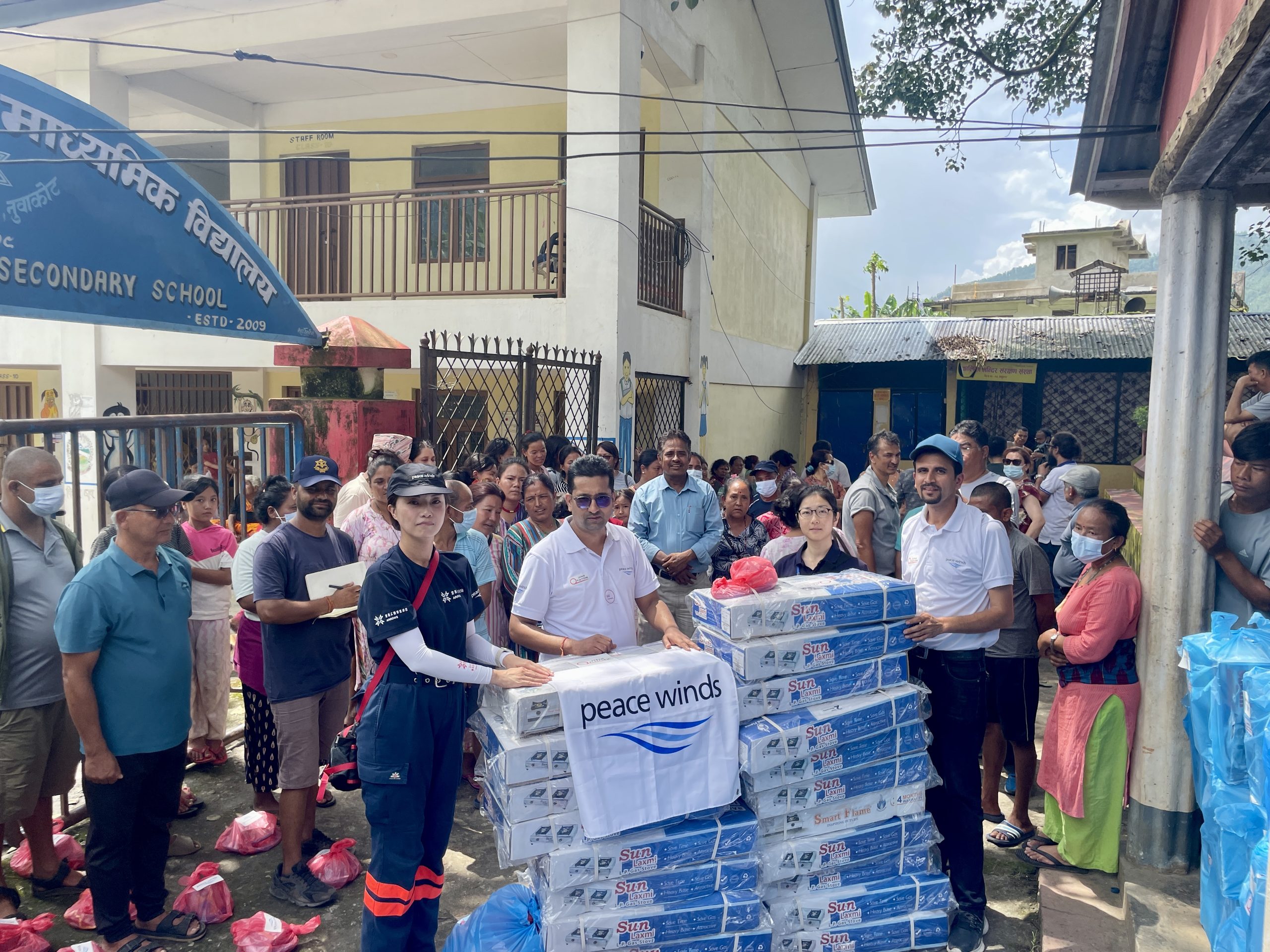
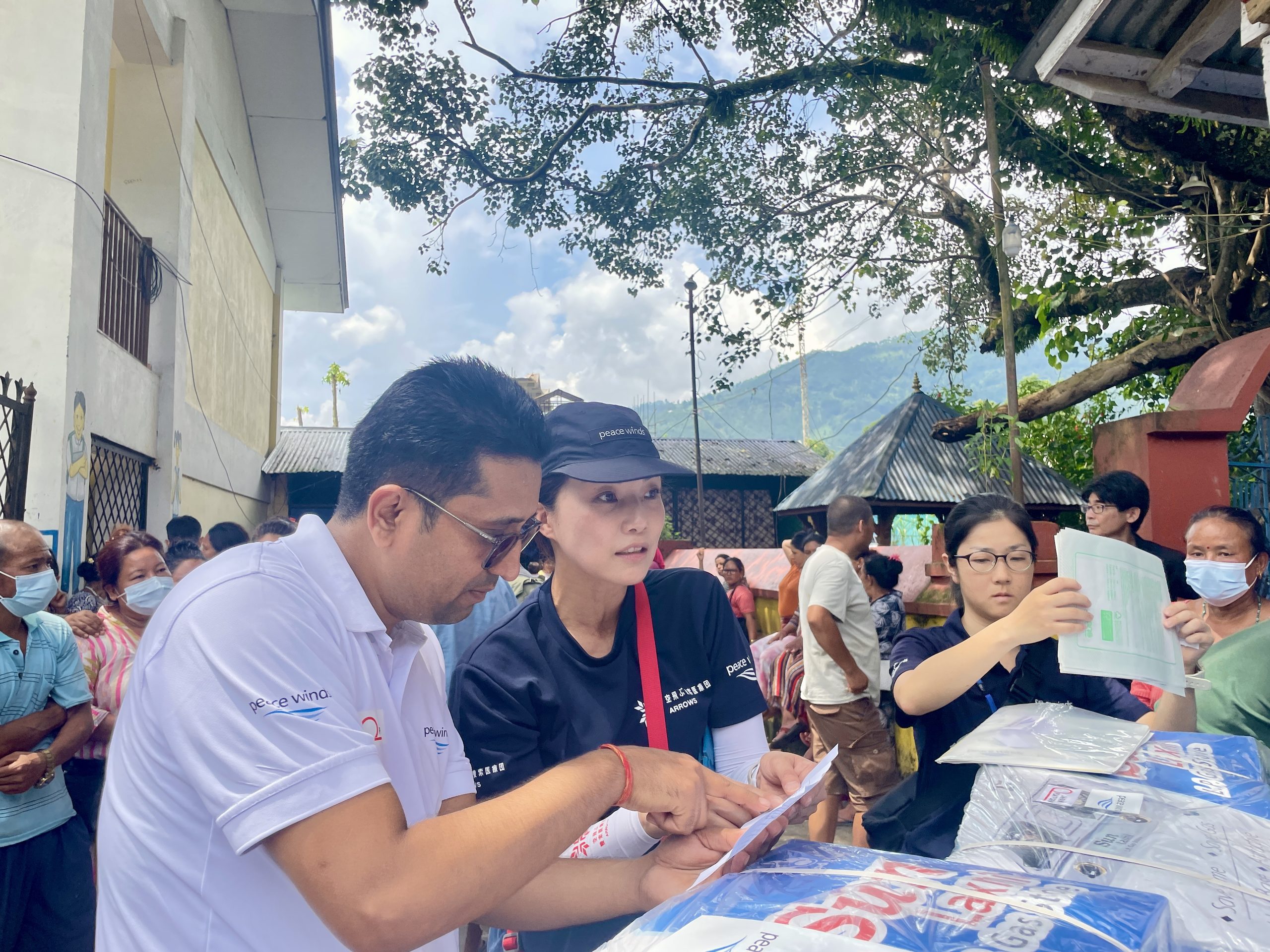
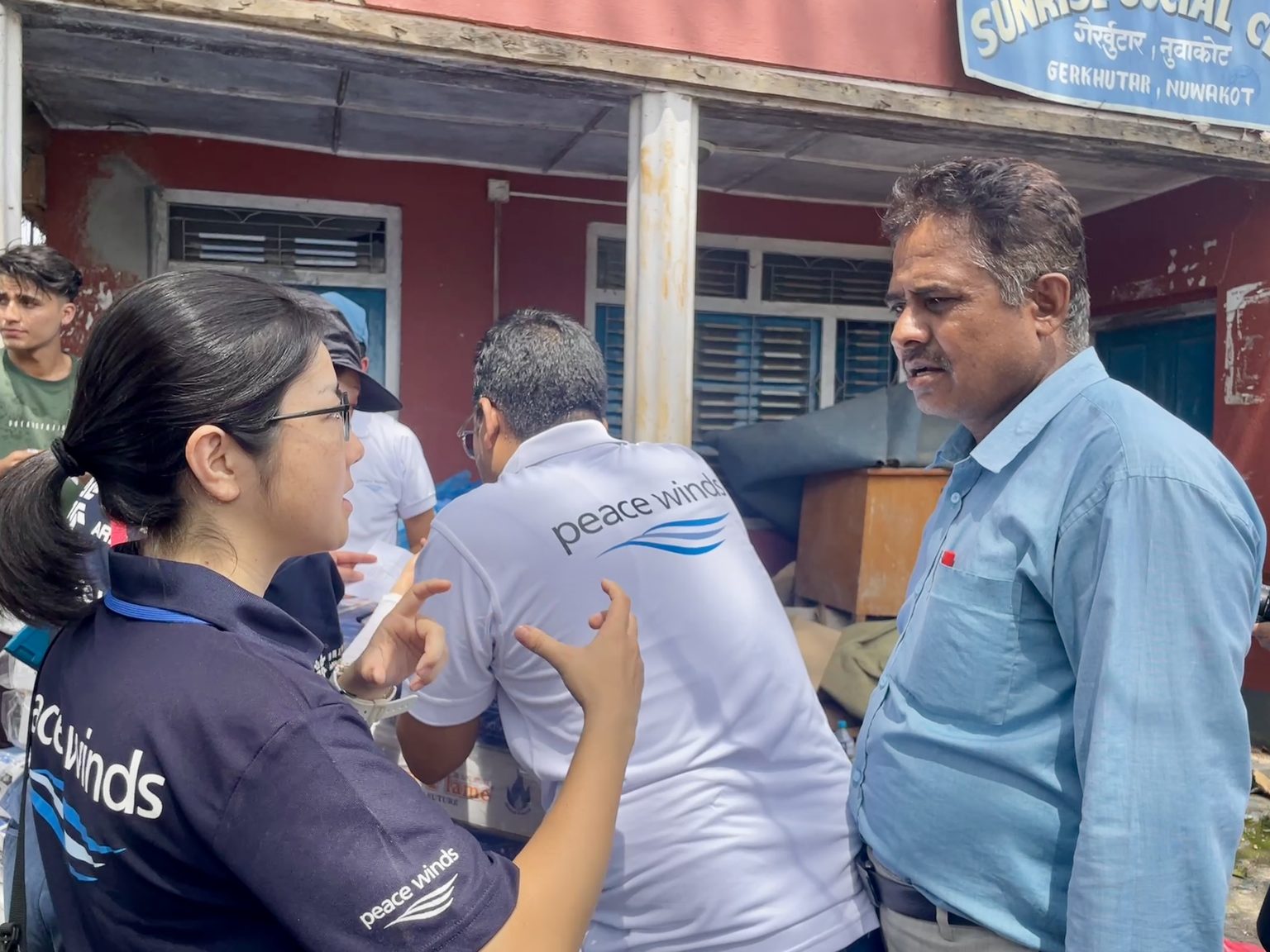
After receiving a request for assistance from the local government in Bidur, Peace Winds coordinated with authorities to procure kitchen supplies including cookware, gas cylinders, and stoves. Our team moved quickly, and they have been supporting several hundred families with supplies deliveries this month.
For survivors who had lost both their homes and belongings in the flood, the cooking equipment came as a first step toward rebuilding daily life. Many families are now leaving the shelter for newly rented homes as the school prepares to reopen for classes. For those moving into unfurnished units and starting over from scratch, a basic kitchen kit and gas supply make a real difference.
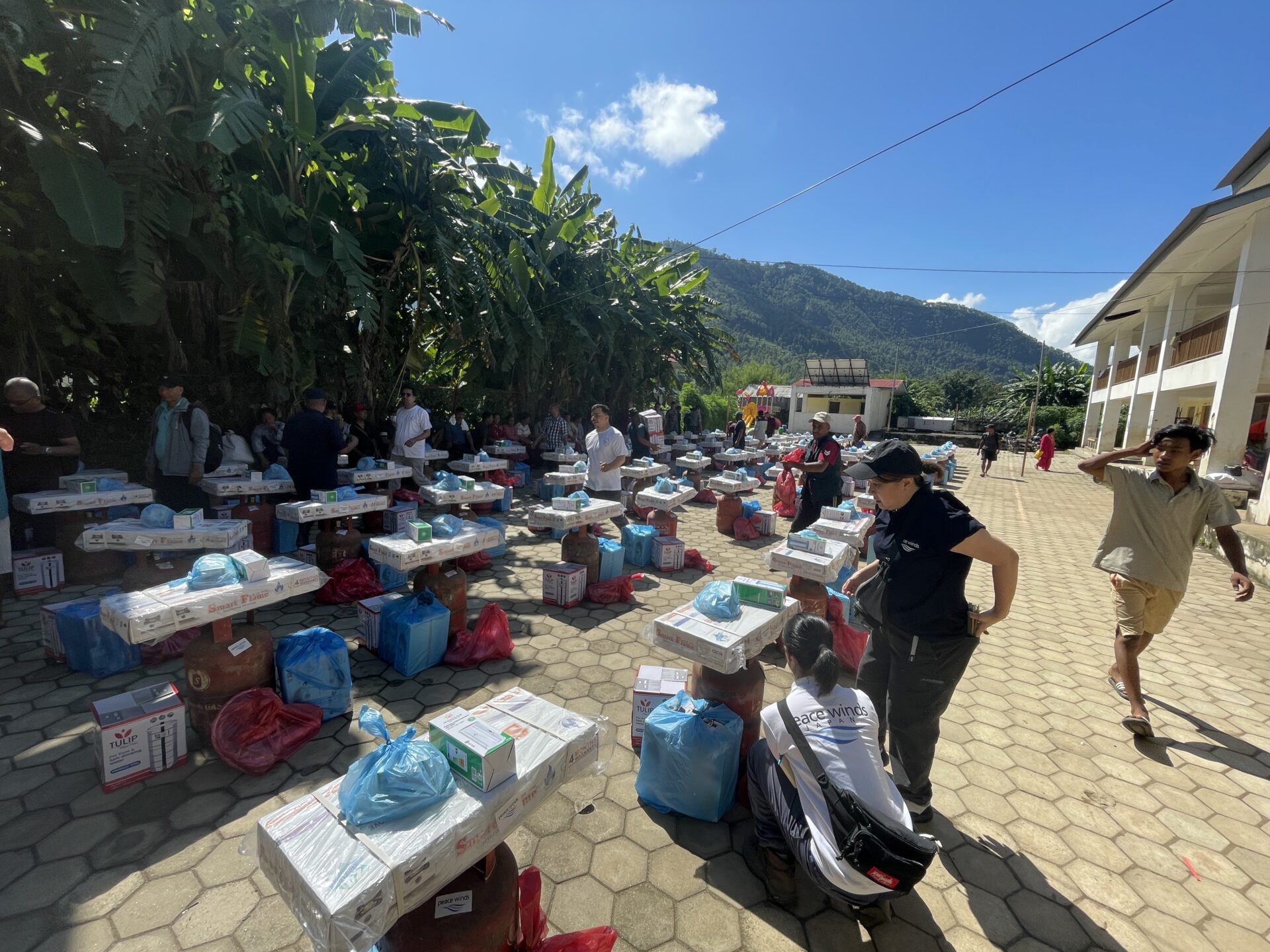
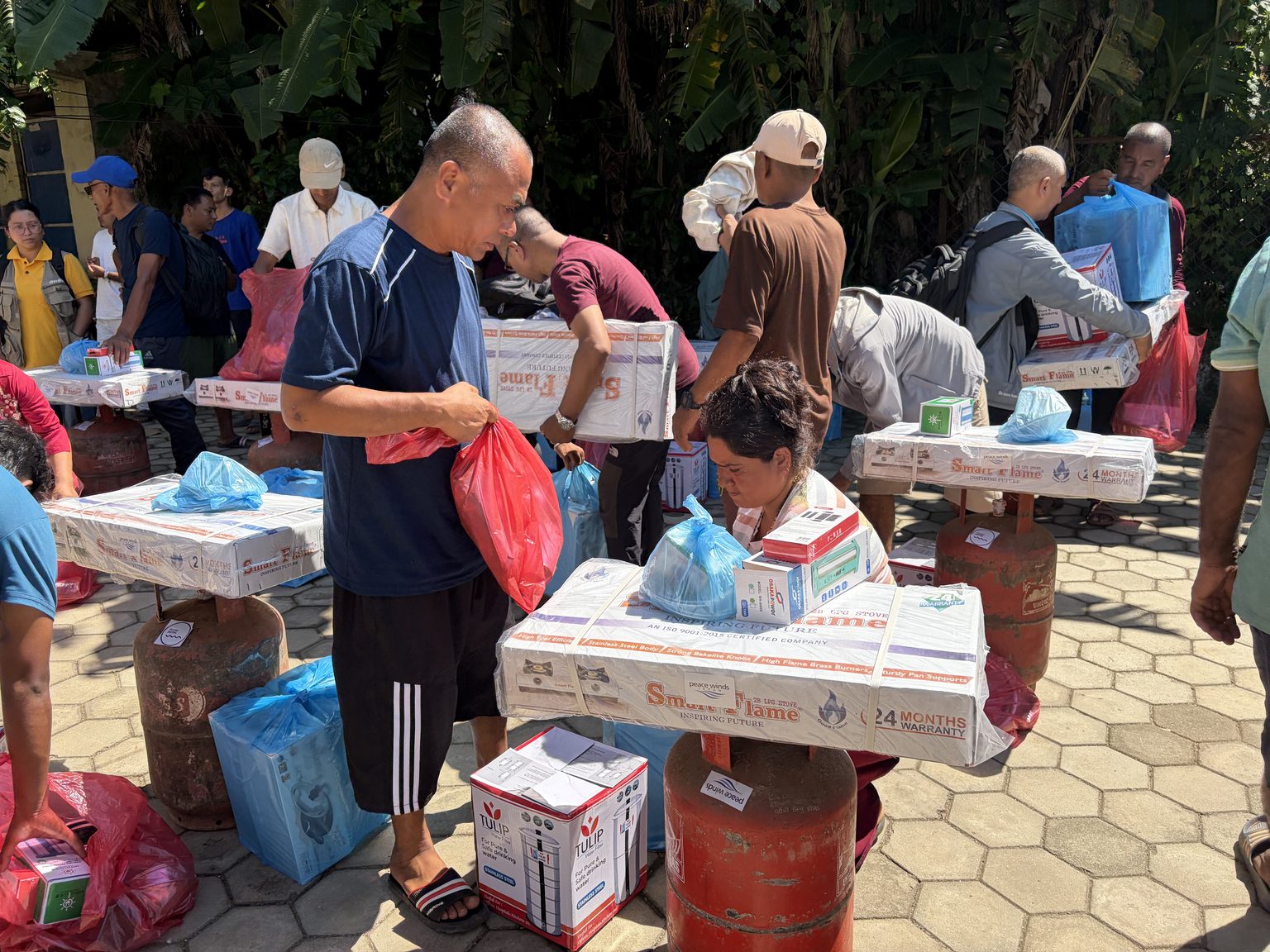
Cooking supplies weren’t the only pressing need. In some areas, the flood contaminated the water sources, limiting access to safe drinking water. In response, Peace Winds also distributed household water purifiers along with other relief supplies. With power still limited in many areas, our team also distributed portable battery packs to help evacuees keep their phones charged, essential for staying in touch with family and receiving emergency updates. We also provided handheld solar lights to improve safety for those using the outdoor or temporary toilets at night.
Hazuki Kobayashi, a member of Peace Winds’ overseas operation staff on the ground, emphasizes how much timing matters in relief work:
“A month from now, some of the people we’re helping may have already found somewhere new to live and moved on. To support each person’s individual path to recovery, we needed to move quickly while also keeping long term support in view.”
As time passes after a disaster, survivors’ circumstances are constantly shifting. That’s why it’s essential to monitor conditions on the ground, anticipate upcoming challenges, and deliver the right support at the right time.
Losing a home means losing far more than just shelter. Many have also lost work, income, schooling, and a community built over generations. Even after such devastating loss, some survivors are passionate about staying in the place where they were born and raised alongside their families.
When asked what’s needed most right now, the answers weren’t about food or blankets. One survivor put it simply:
“What we need is a place we can call home, where our family can feel safe and an education for our children. My hope right now is to make sure they get a proper education.”
In the months ahead, survivors will encounter a wide range of needs: temporary housing, home repairs, and rebuilding livelihoods, improving sanitation, and mental health support. Rebuilding a life happens one step at a time. Going forward, Peace Winds will also help with debris removal and support infrastructure development around temporary housing settlements. We will continue listening closely to survivors, making sure no one is overlooked and adapting to changing needs as we consider what support comes next.