Disaster Response
Peace Winds is one of the most capable disaster responders in the Asia Pacific.
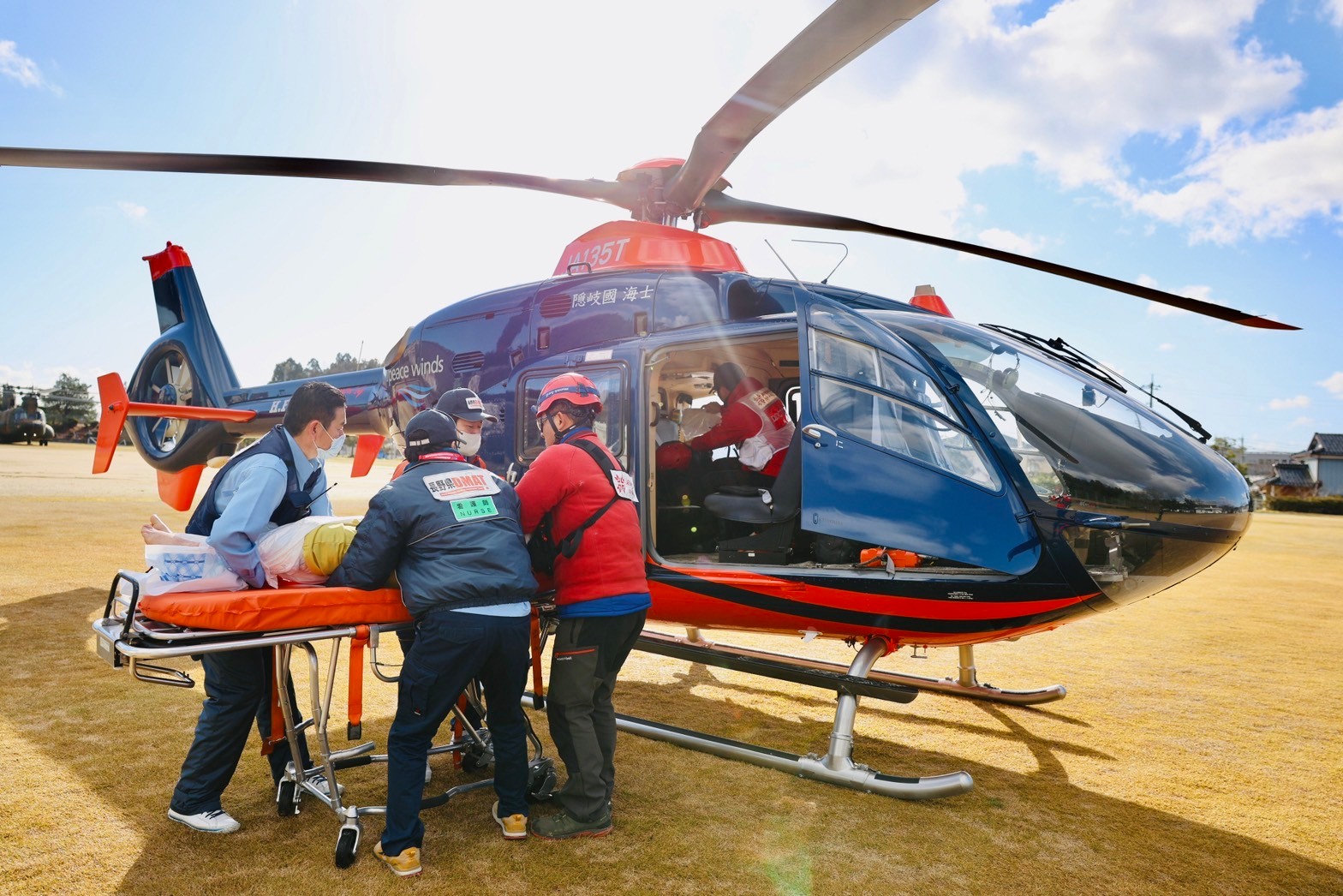
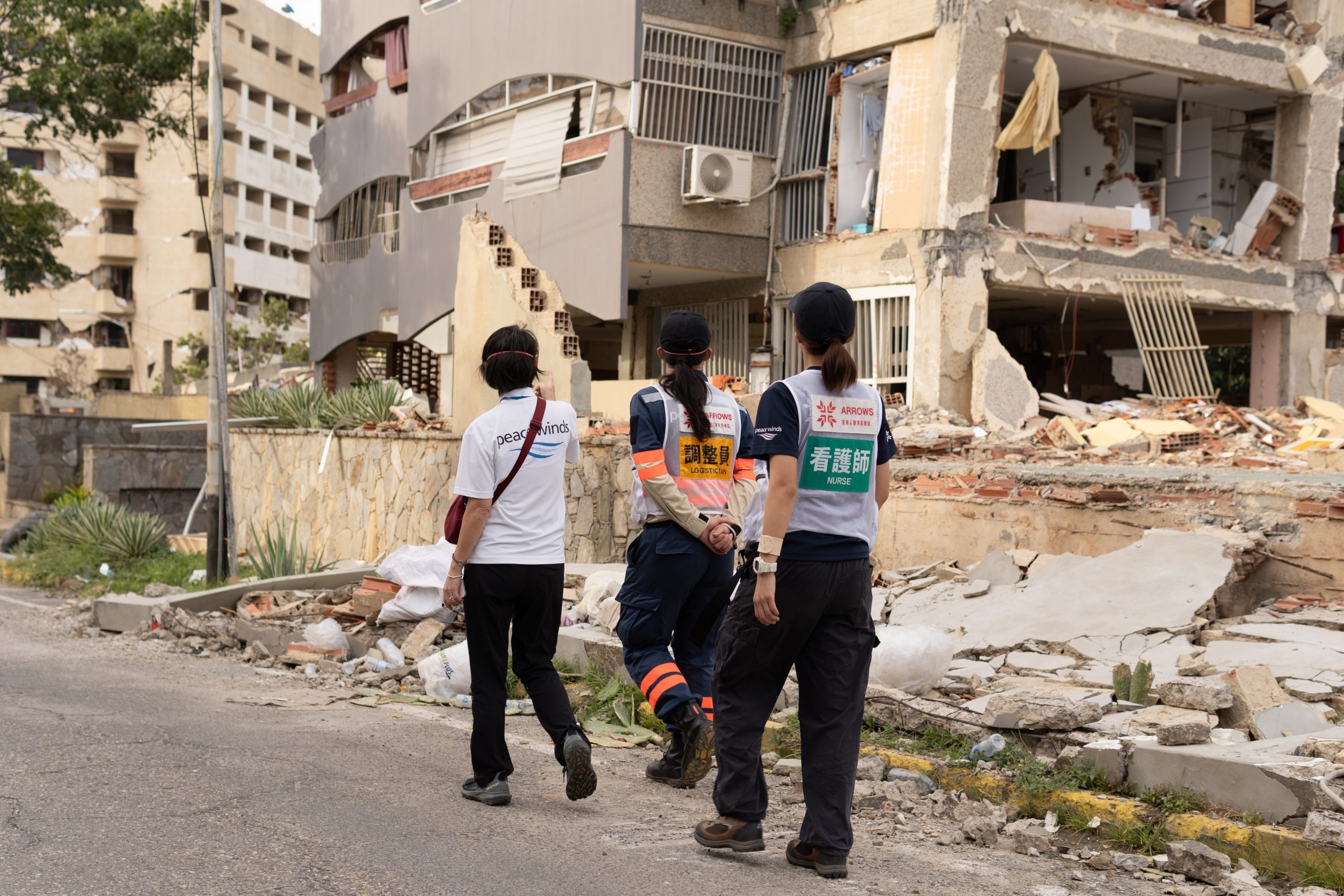
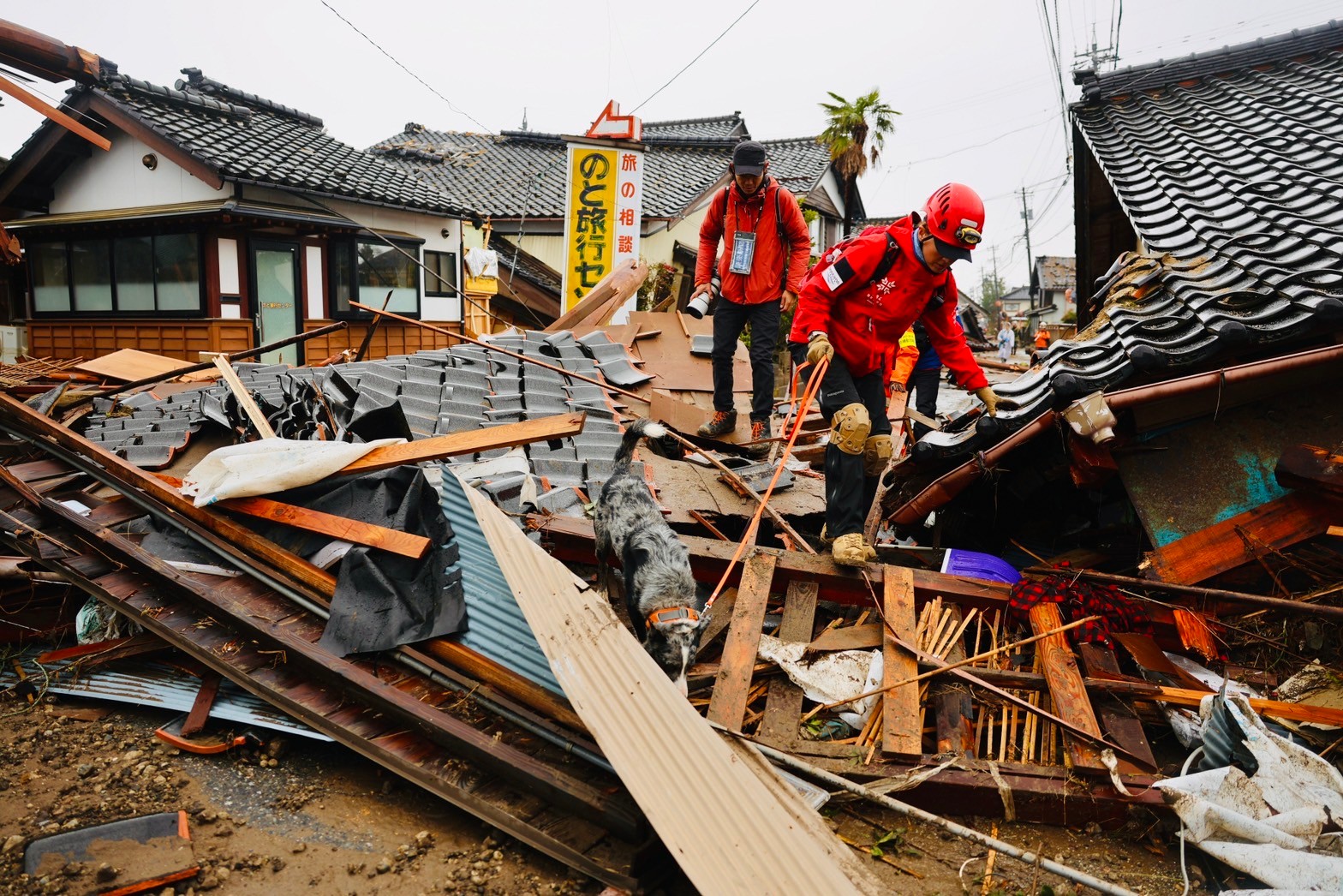
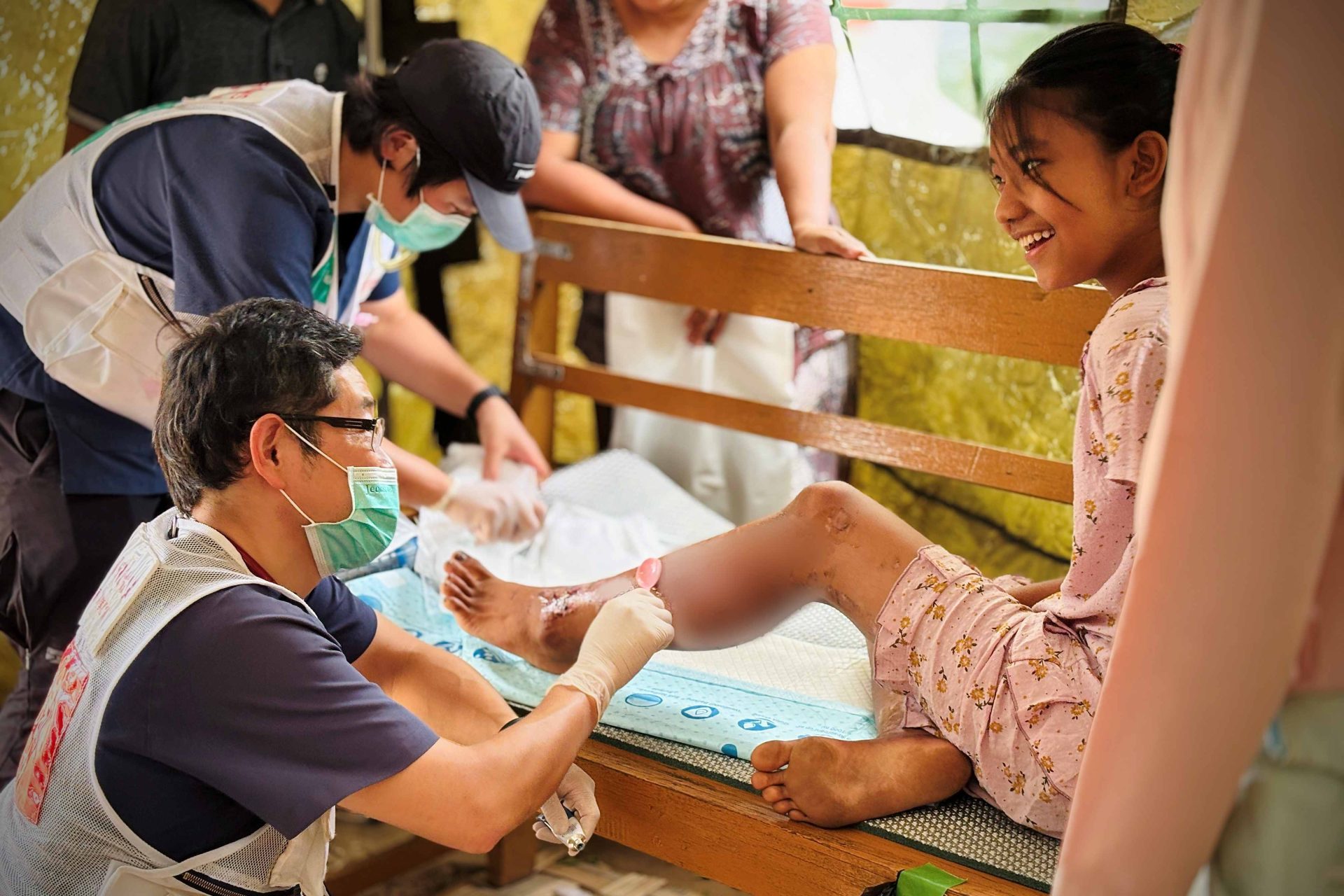
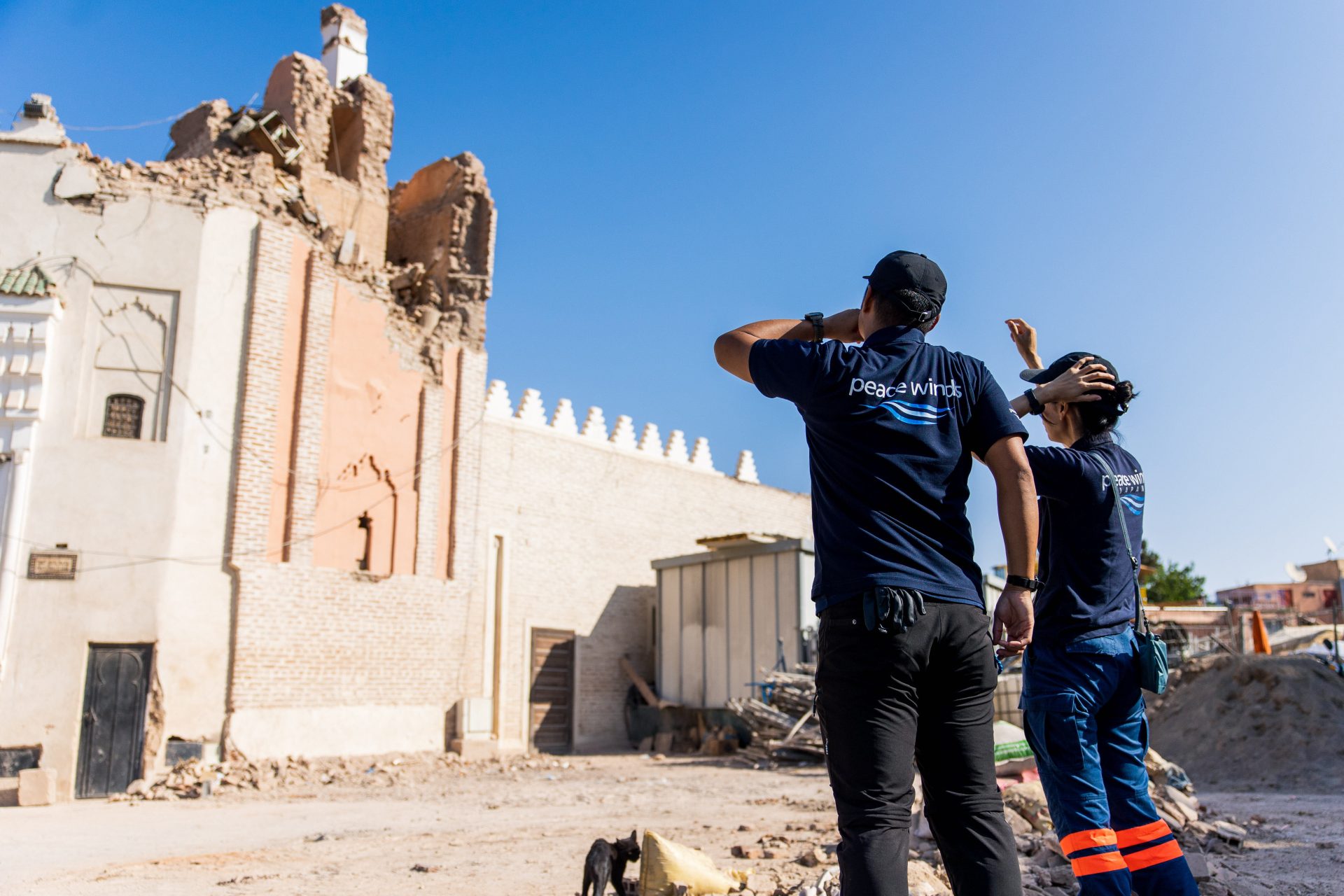
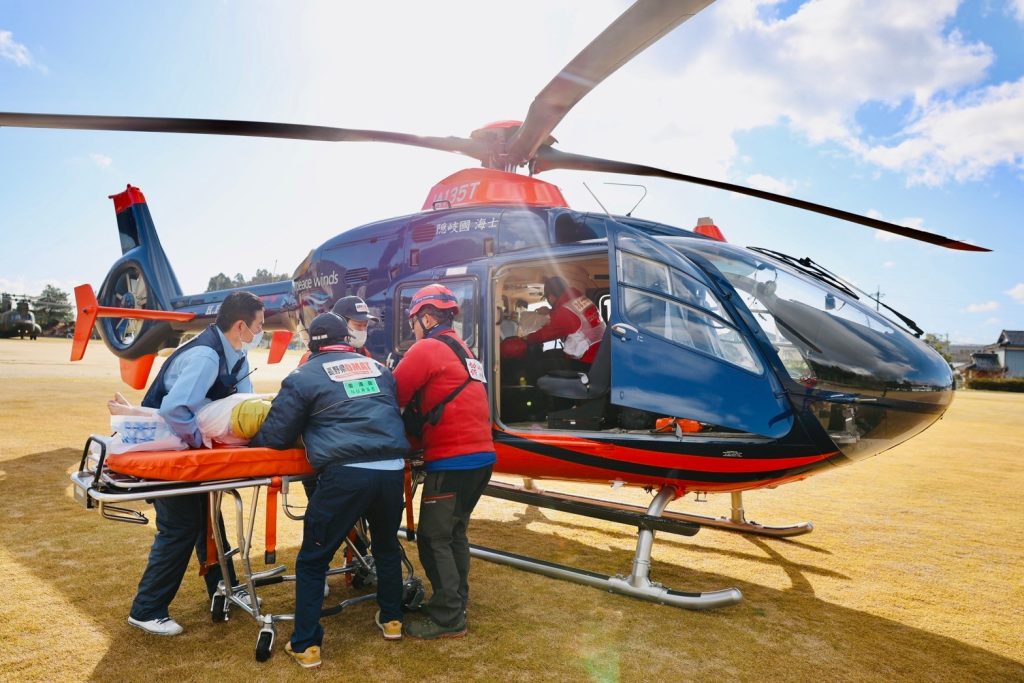
Integrated responses are essential when disasters strike, and Peace Winds brings unique capabilities to helping communities around the world throughout the initial response, relief, and recovery stages. In the immediate aftermath of major disasters, Peace Winds dispatches specialized technical teams with emergency medical personnel, logisticians, and other disaster response professionals. When deploying in Japan, our teams also provide search-and-rescue capabilities. They work alongside local governments, militaries, NGOs, and first responders to locate survivors, provide medical care, medically evacuate patients with serious injury, and distribute emergency supplies.
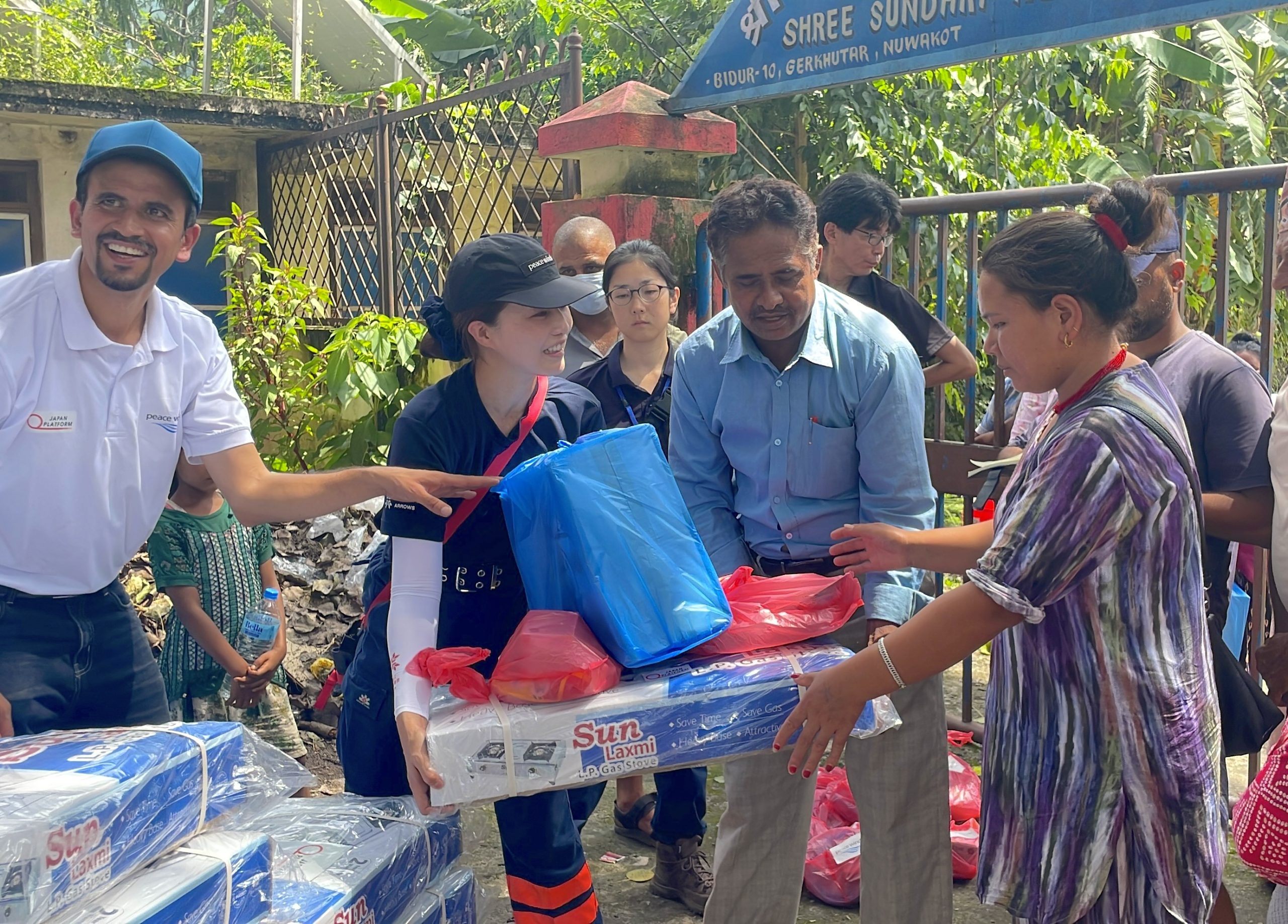
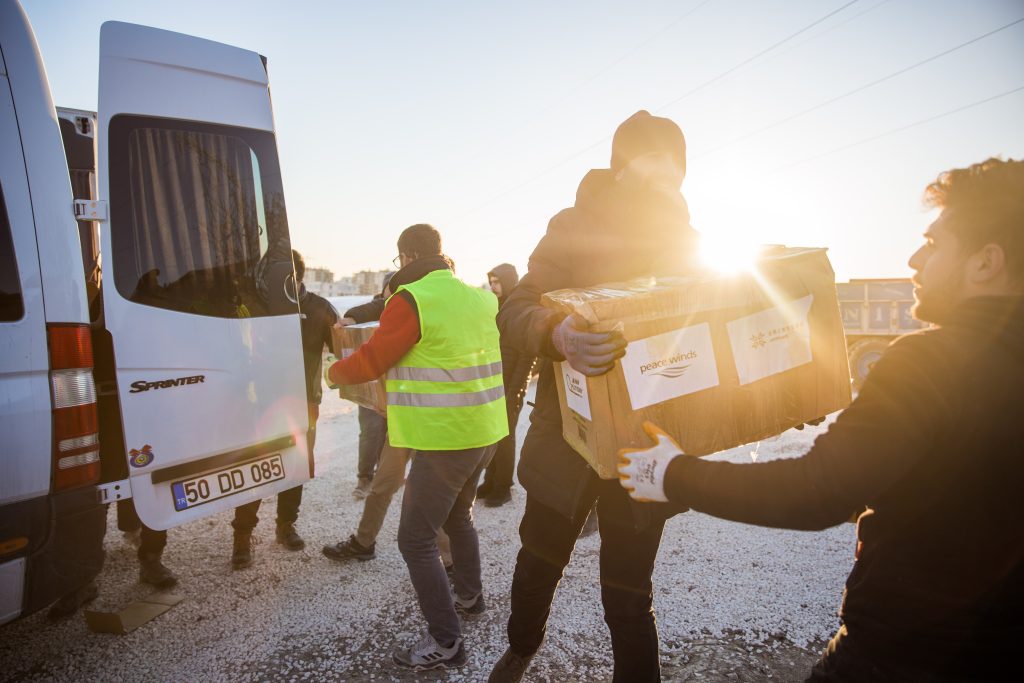
In the days and weeks following a disaster, Peace Winds staff and our skilled partners coordinate the distribution of food, water, hygiene supplies, bedding, and baby and pet items. Additionally, our teams often support the management of evacuation centers and mobile clinics, providing shelter and medical care to survivors in need.
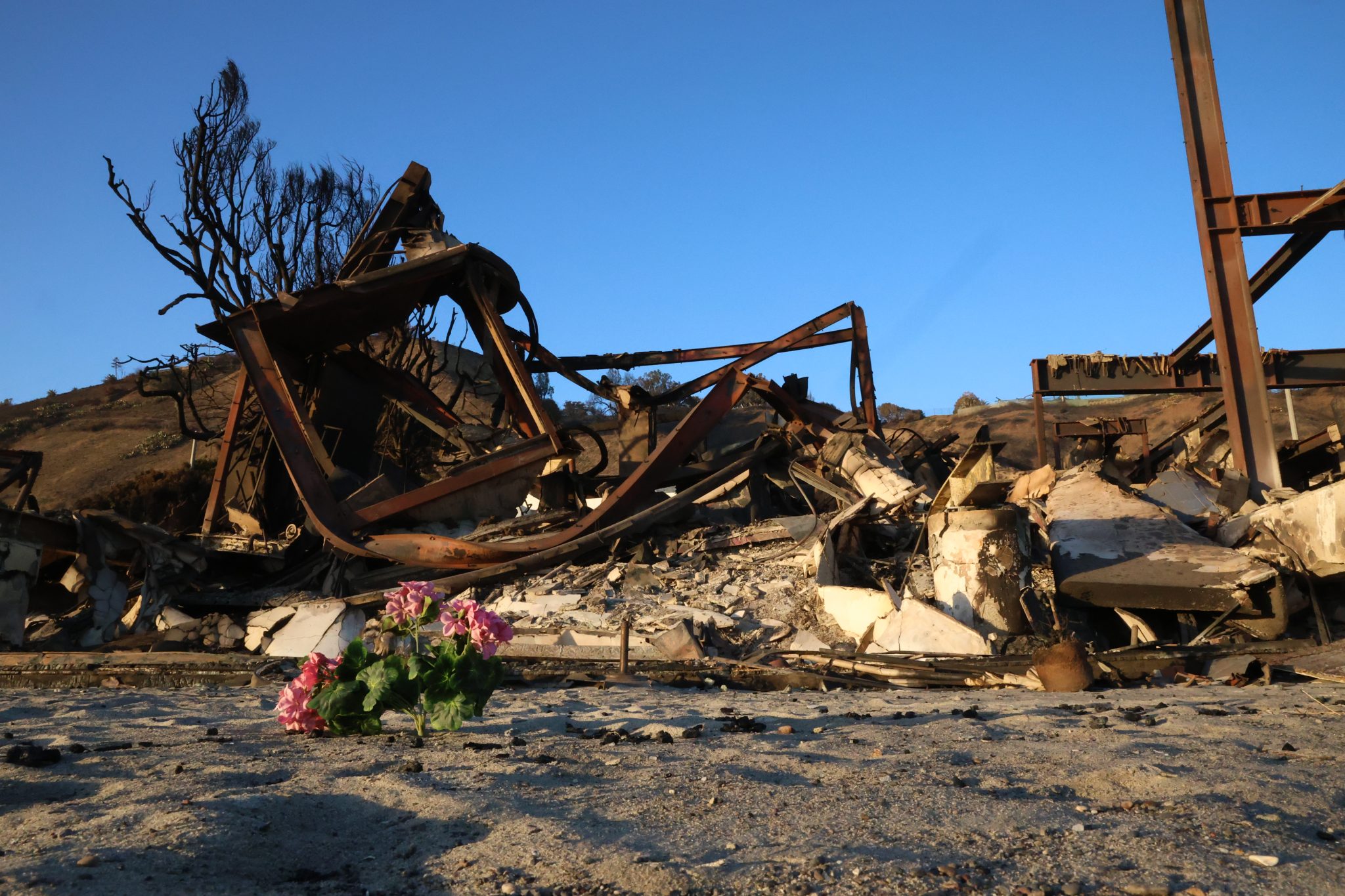
When public attention after a disaster subsides, it is easy to forget that it typically takes months or years for survivors to be able to return to their homes and to normal life. During that time, the need for basic supplies, shelter, and financial assistance remains critical. In many cases, families also need broader support such as psychosocial support and grief care or help navigating services like legal and insurance systems.
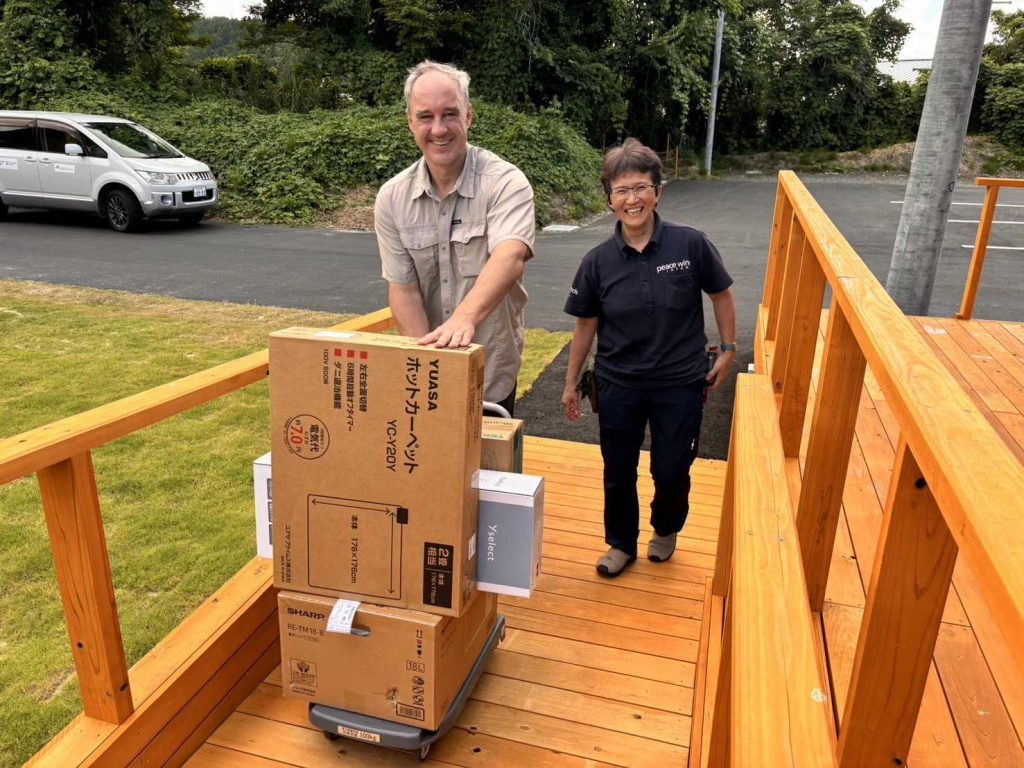
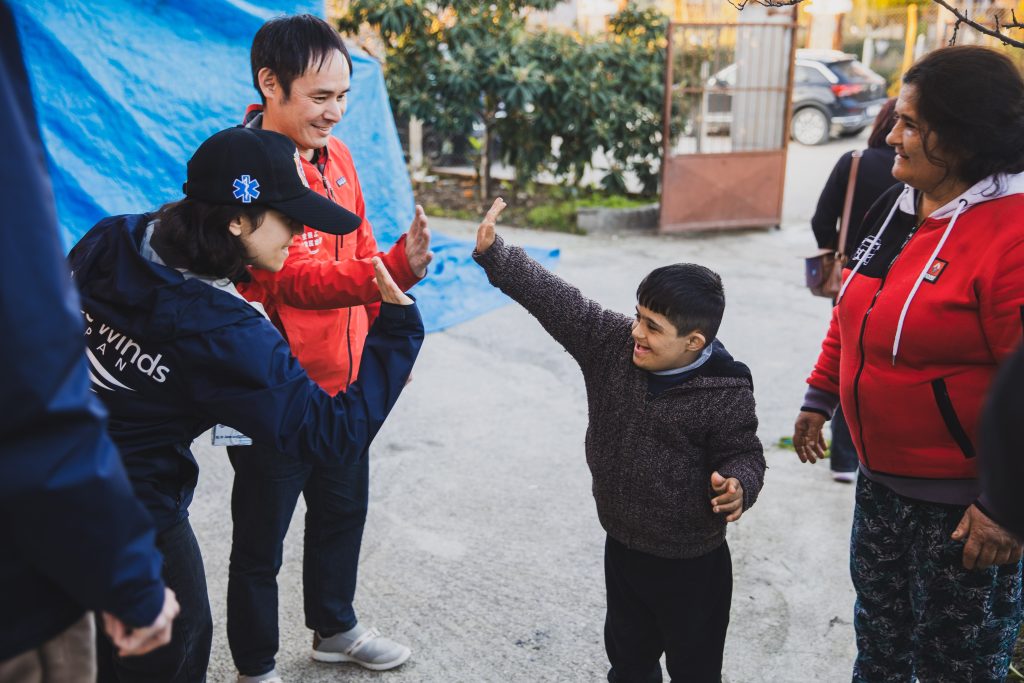
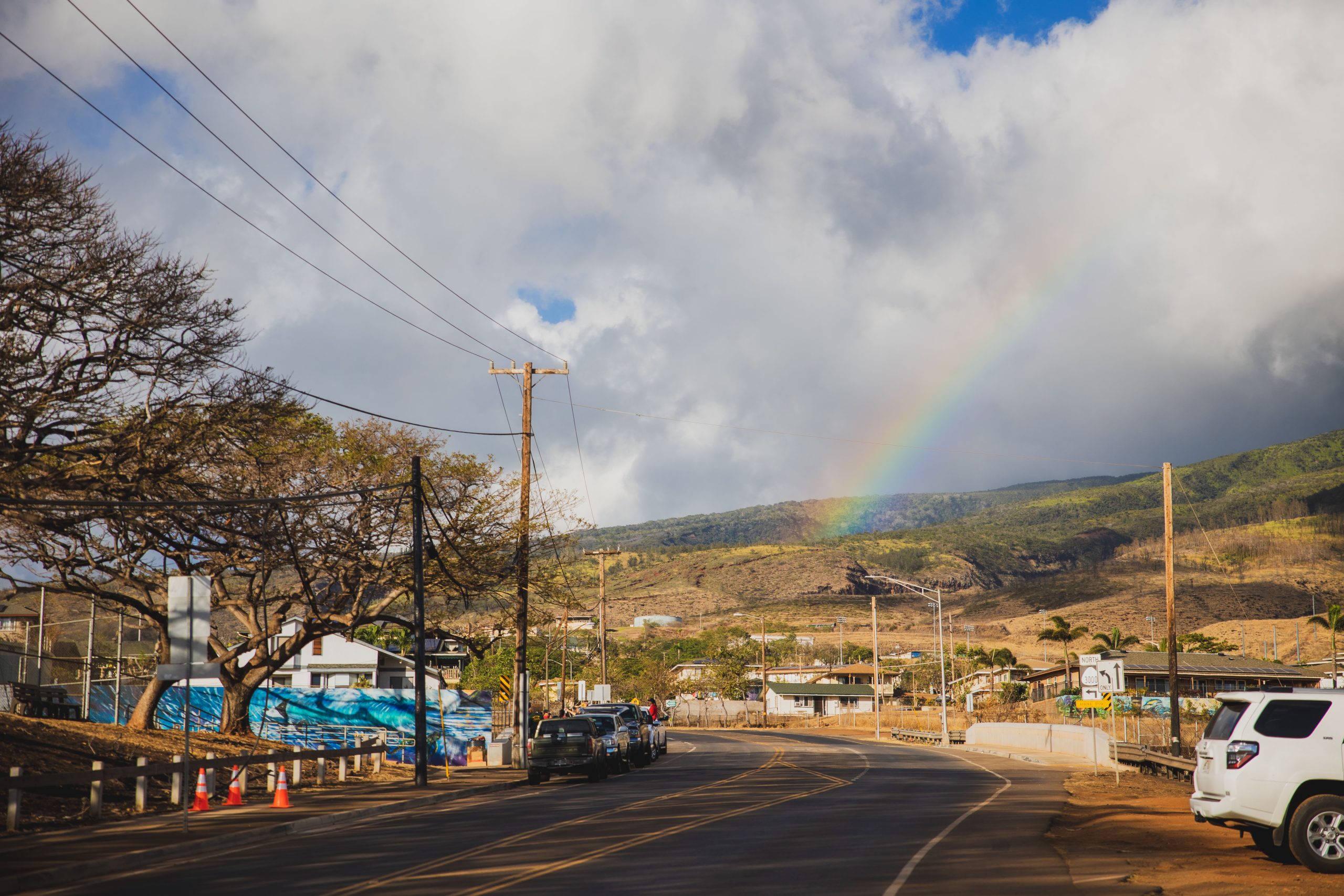
As communities rebuild, our teams work with local partners to identify gaps and meet survivors’ ongoing needs with a range of programs, including the provision of household necessities, grief care, support for evacuees transitioning into temporary housing, physical and mental wellness monitoring for seniors, and community-building activities. When practical, Peace Winds staff provide these services themselves, and in other cases, we provide financial support to community-based organizations that are best positioned to provide long-term recovery services and help survivors get back on their feet.
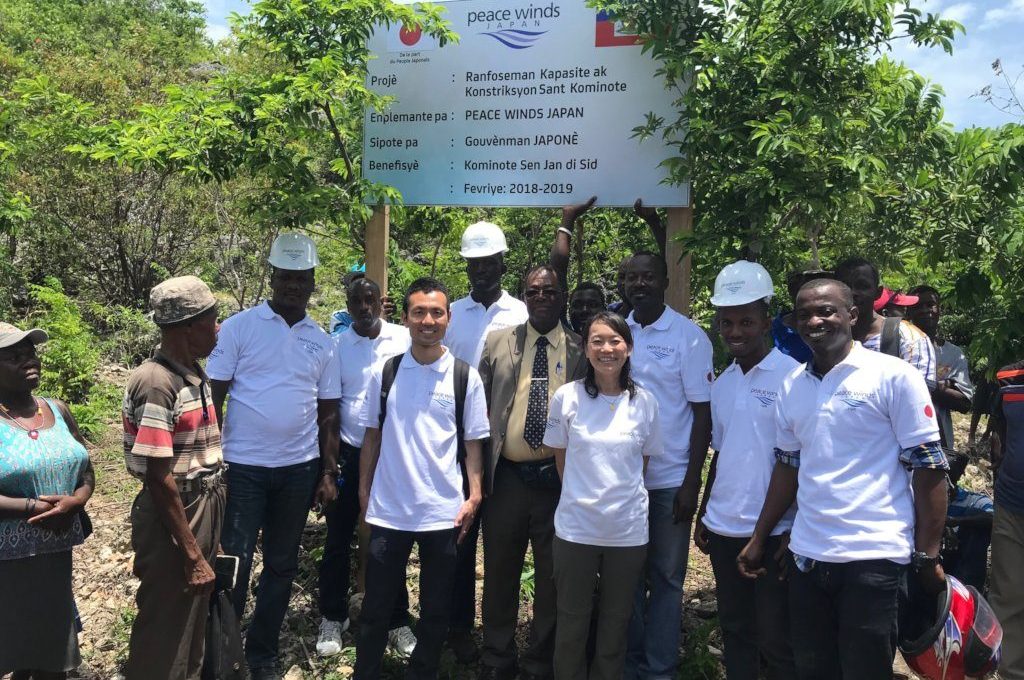
In addition to reacting after disaster strikes, Peace Winds undertakes proactive disaster preparedness initiatives to help save lives down the road. These include emergency drills and education for community members about how to stay prepared. Peace Winds also works with other NGOs, government agencies, and the private sector to host preparedness workshops for disaster responders and establish networks with clear roles and responsibilities. This kind of preparation has proven invaluable in the wake of disasters such as the New Year’s Day earthquake that struck Japan’s Noto Peninsula.
Select a program below to learn more about our work in a specific area.