The Beginning of Kumamoto’s Long Road to Recovery
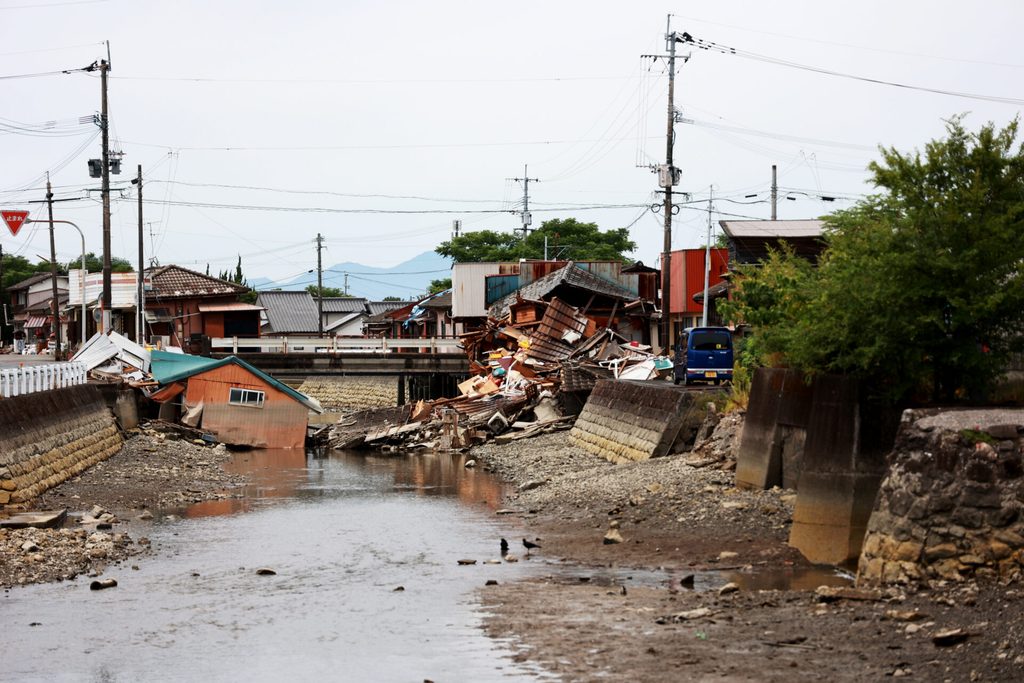
While major infrastructure has been steadily restored after the earthquakes in Japan’s Kumamoto Prefecture, Peace Winds continues to identify new challenges on the ground and remains engaged in relief and recovery efforts alongside survivors.
Temporary housing units are now becoming available for those who lost their homes, so our staff are helping evacuees make the transition out of evacuation centers. Housing itself is provided by the prefectural government; however, residents are responsible for furnishing their own units, which can be costly. So Peace Winds is providing families with sets of household items and small appliances, such as microwaves, refrigerators, and washing machines.
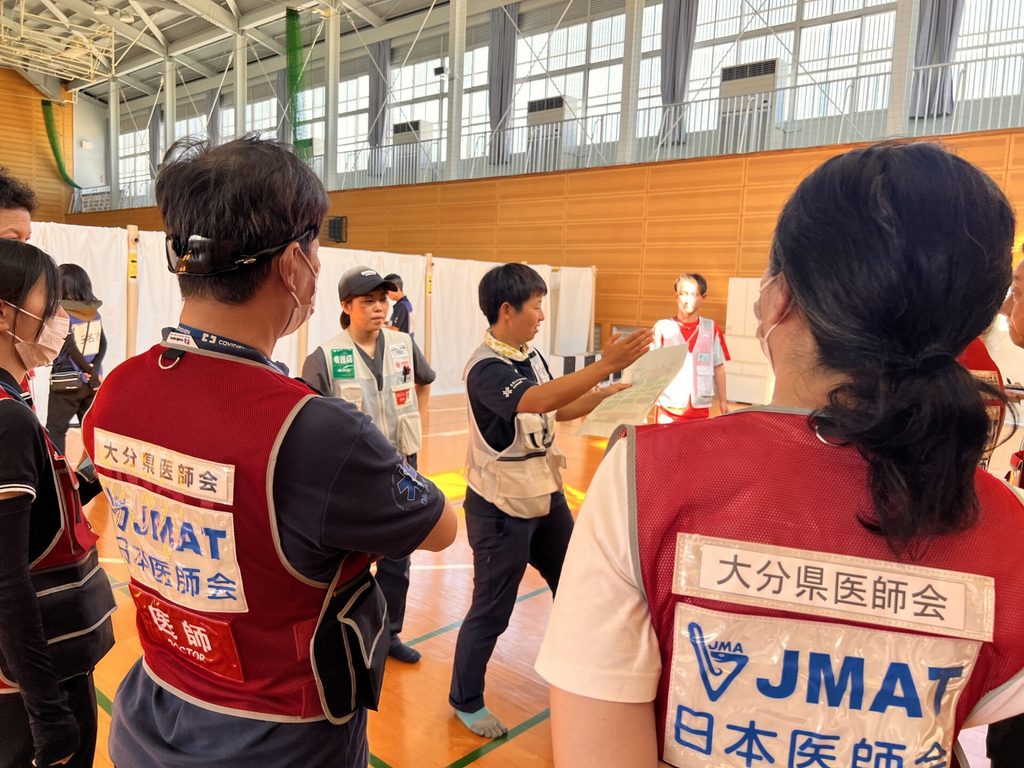
The privacy that comes with this transition is a welcome relief for many. In the early days after the earthquake, insufficient privacy and other conditions at evacuation shelters discouraged many people from moving into them. This was especially true during a brutal heatwave, when the shortage of air conditioning at shelters led some survivors to sleep in their cars or remain in their damaged homes rather than relocate. To address this, when Peace Winds converted a school gym into a shelter, we installed additional air conditioning units and carefully designed the layout according to families’ needs, adding partitions to improve privacy. We also set up portable toilets to accommodate the number of evacuees, and beginning on the first day of the move, we offered health checks. As conditions at the shelter improved, more people began choosing to relocate there.
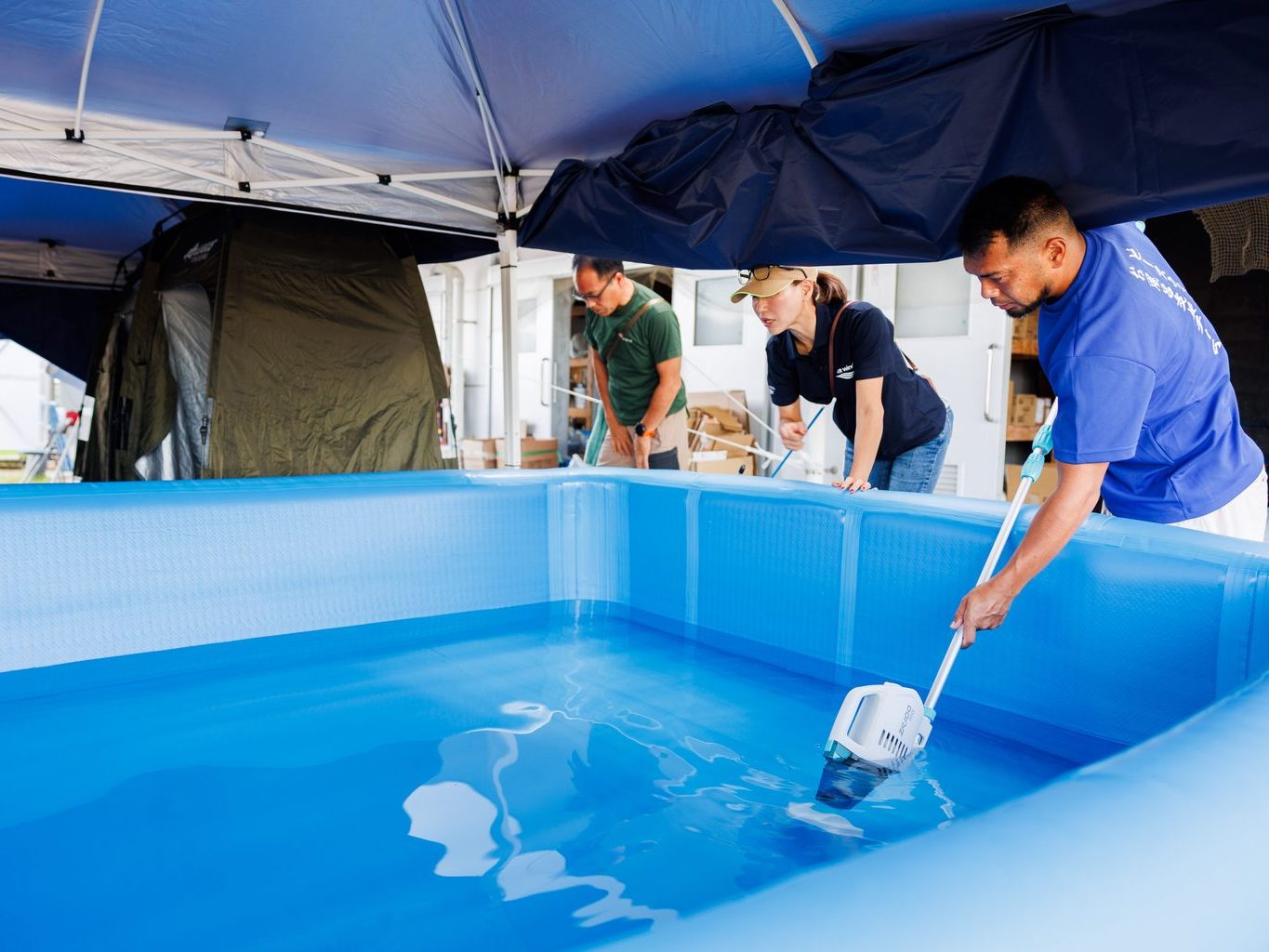
In Kumamoto, roughly 108,000 households lost water service, making water support absolutely essential. While the main water pipes were restored fairly quickly, plumbing within individual homes remained unrepaired, leaving residents without access to clean water. Compounding the issue, many survivors have struggled to schedule repairs, as local contractors are fully booked. In response, Peace Winds quickly stood up facilities offering hot baths, welcoming around 100 people each night. For survivors, this has served as a respite and a place to relax and ease their mounting stress. Thankfully, many local bath houses have been able to reopen, so Peace Winds wound down this program this week.
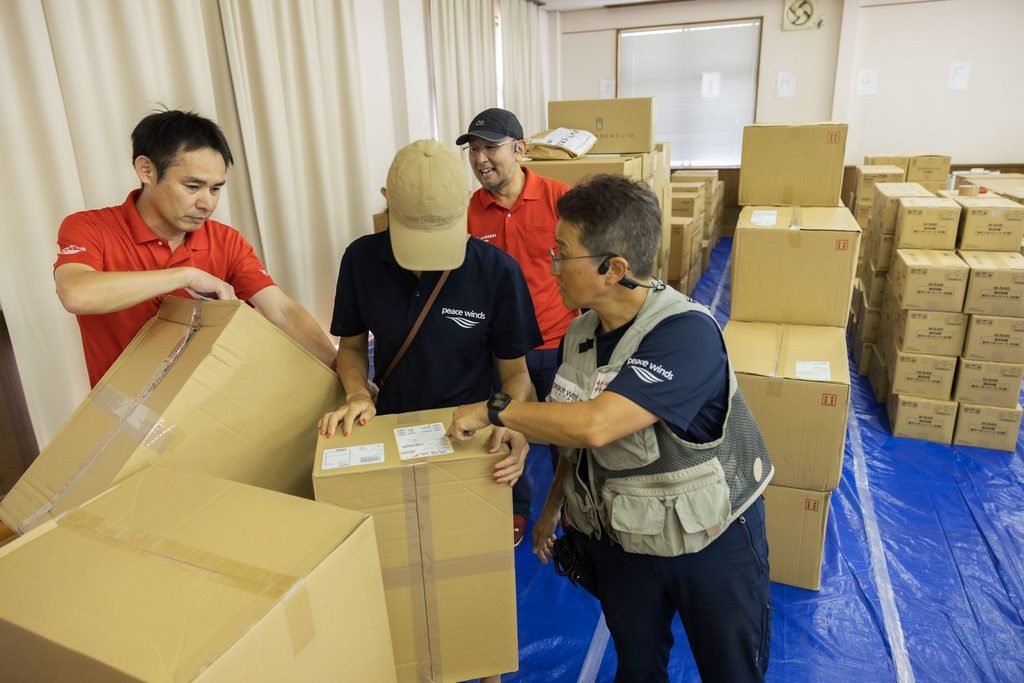
Peace Winds is helping to manage four of the remaining evacuation centers, and we are making sure that support reaches those who are sheltering elsewhere.
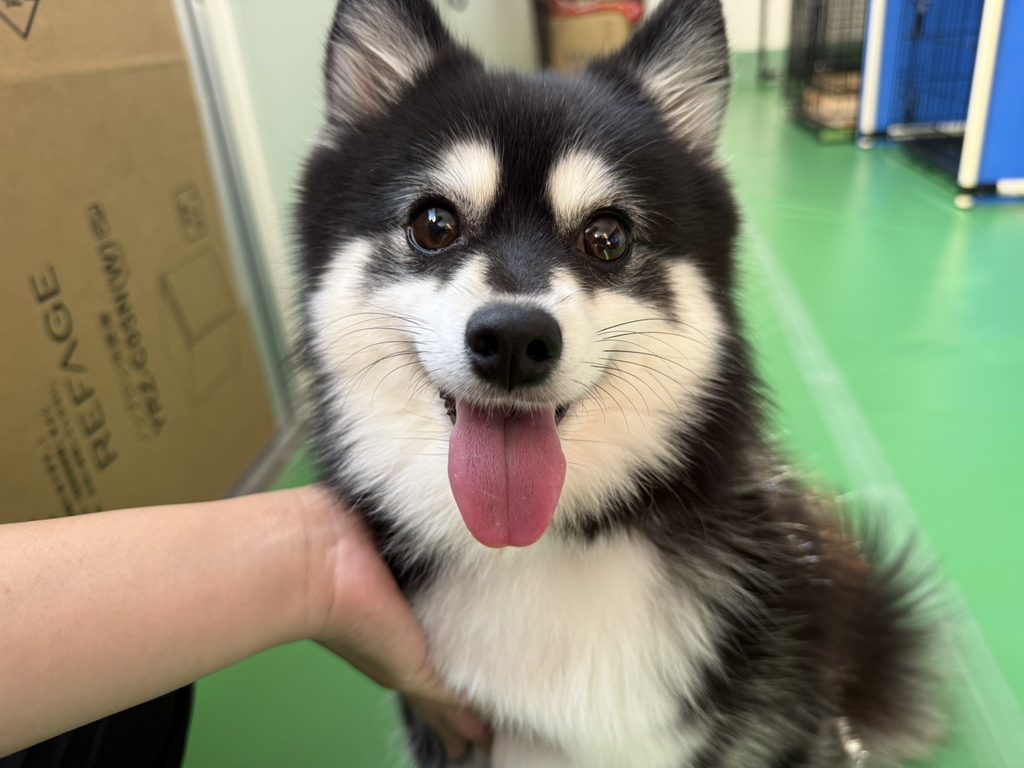
The instability of life after disaster has also taken a toll on pets. Animals in Kumamoto have endured aftershocks, nights spent in cars, and repeated moves between pet-friendly accommodations. To help families with pets, Peace Winds has been providing pet supplies and running dog daycare services.
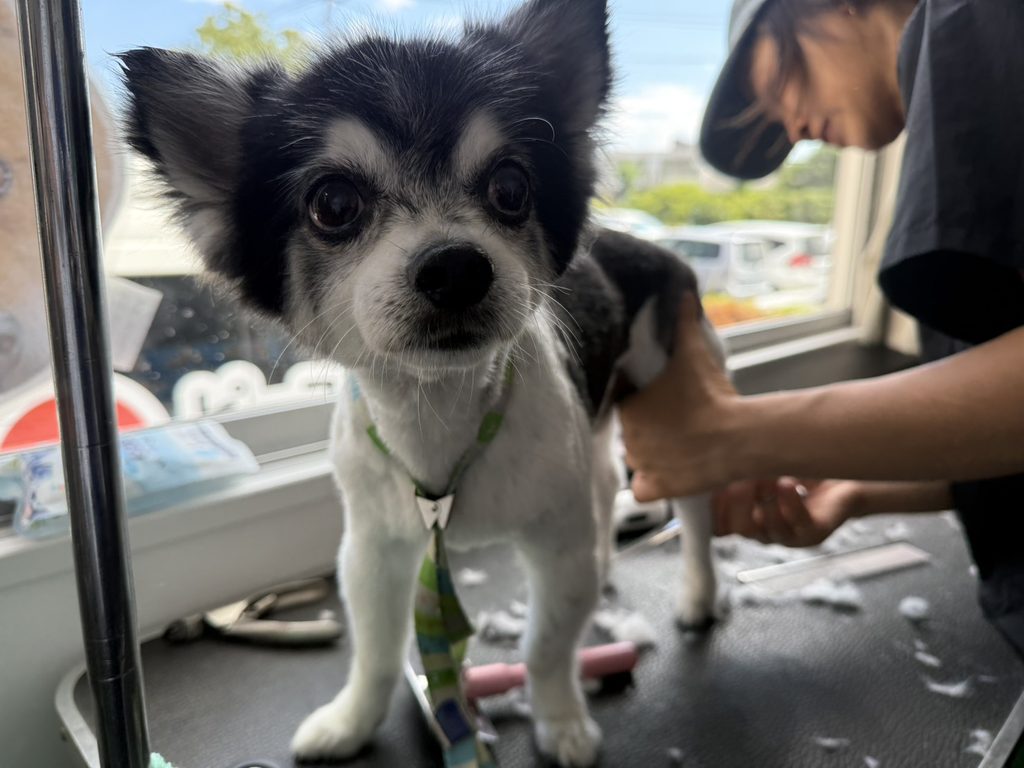
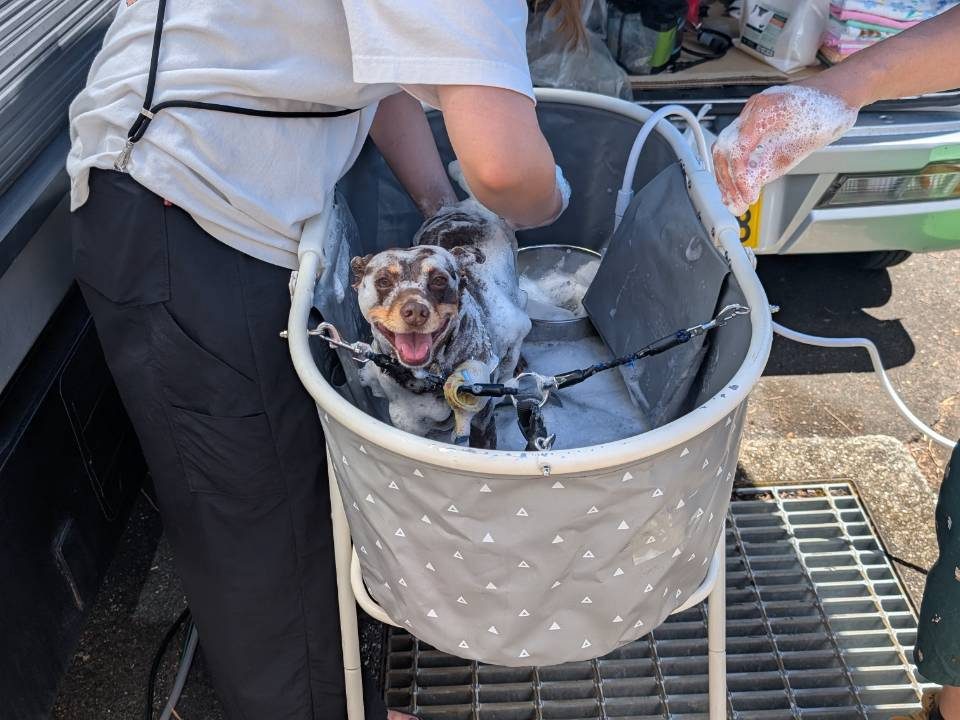
Our team also found that prolonged water outages had made it difficult for residents to keep their pets groomed. To help, Peace Winds and our partners held an event that offered free grooming thanks to volunteer groomers. Our mobile surgery vehicle for animals also joined to ensure everyone had a sufficient supply of electricity and water.
Deprived of regular care, some animals had developed skin problems, matted fur, or a strong odor that made it harder for them to remain in evacuation centers. For many owners, these grooming sessions also became an opportunity to notice changes in their pets’ health, helping safeguard the wellbeing of both the animals and their families.
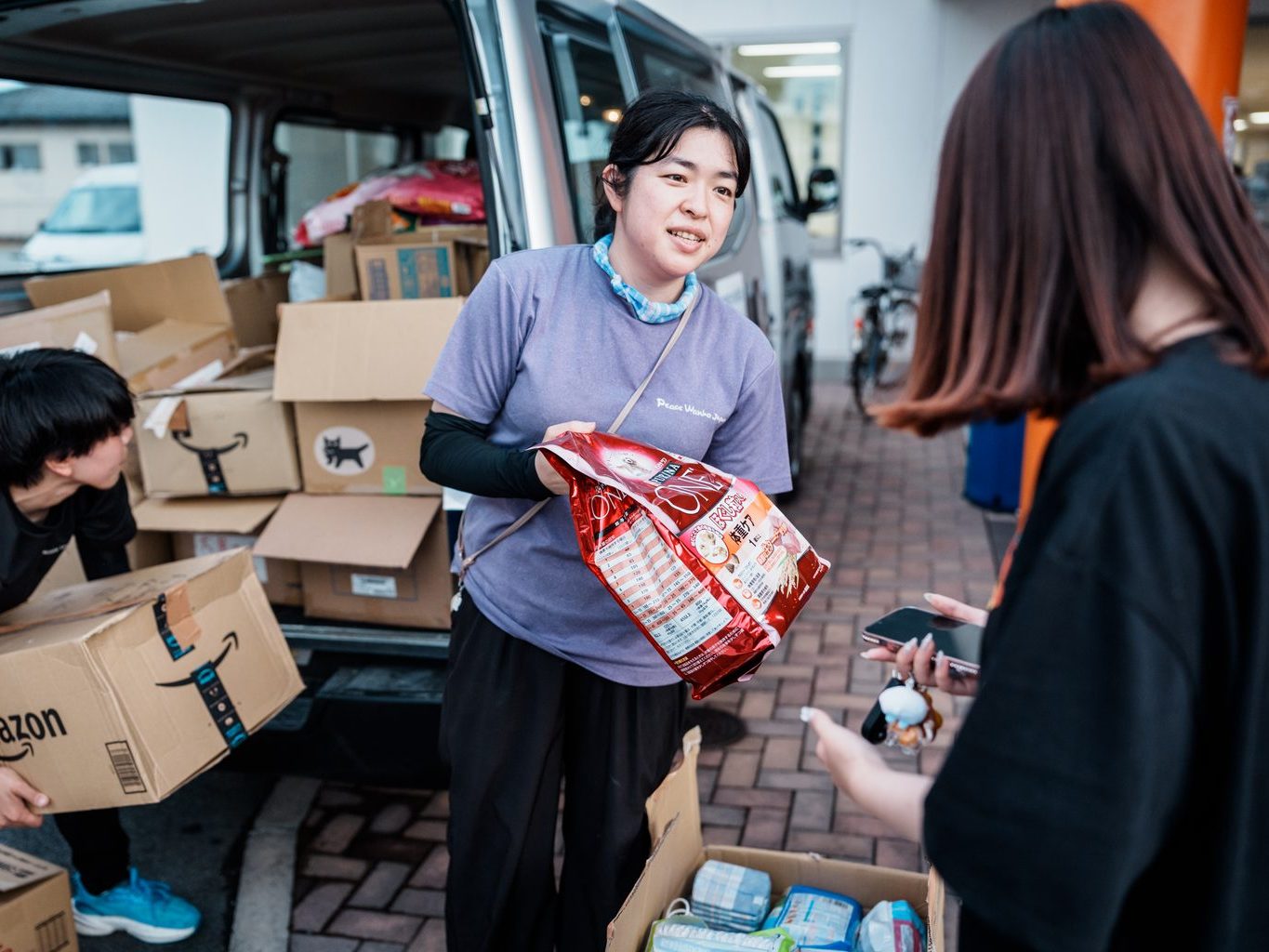
Shoko Hashimoto, a Peace Winds Japan staff member and a veteran of more than 30 years in disaster recovery work, addresses the importance of extending support to marginalized people whose voices are not easily heard. Some, such as the elderly and people with disabilities and chronic illness, are unable or hesitant to stay at shelters and instead choose to sleep at home or in their cars. Some working parents struggle to shop for groceries within stores’ limited operating hours and are unable to prepare adequate meals for their children. By understanding these individual circumstances, Peace Winds is working to offer tailored support.
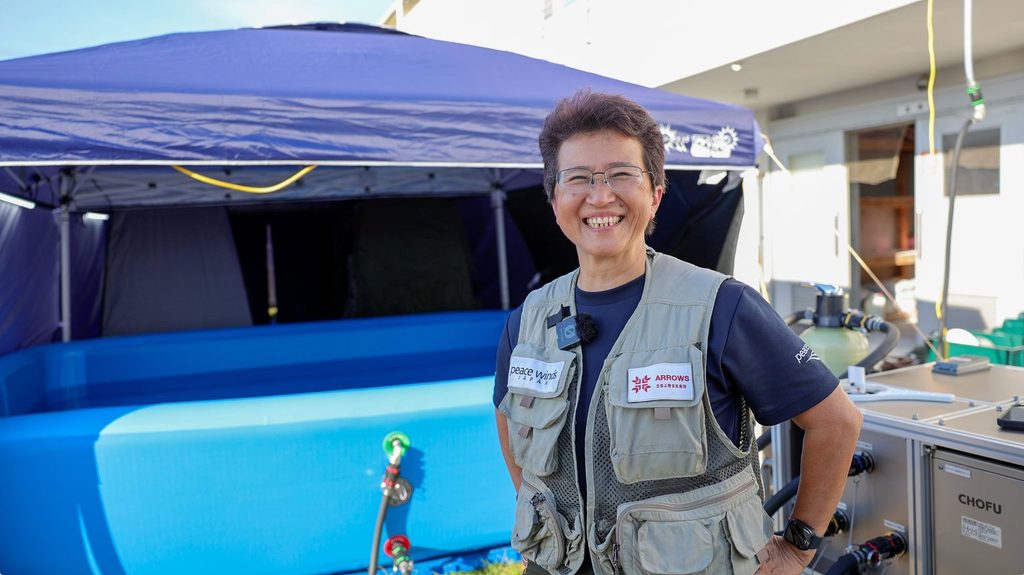
“I truly hope people across the country won’t let this fade from memory,” Shoko said. “Even as time passes and news coverage dies down, I want people to remember that these communities are still struggling and doing everything they can to get through each day. Please support Kumamoto however you can, whether by donating to relief and recovery funds or volunteering when the time is right.”
Peace Winds will continue listening closely to the communities of Kumamoto and working on the ground to help survivors return to everyday life. If you wish to donate, please do so on this page, or click here to learn more about other ways to contribute. We are deeply grateful for your support.