Safe Well Water and Better Well-Being in South Sudan
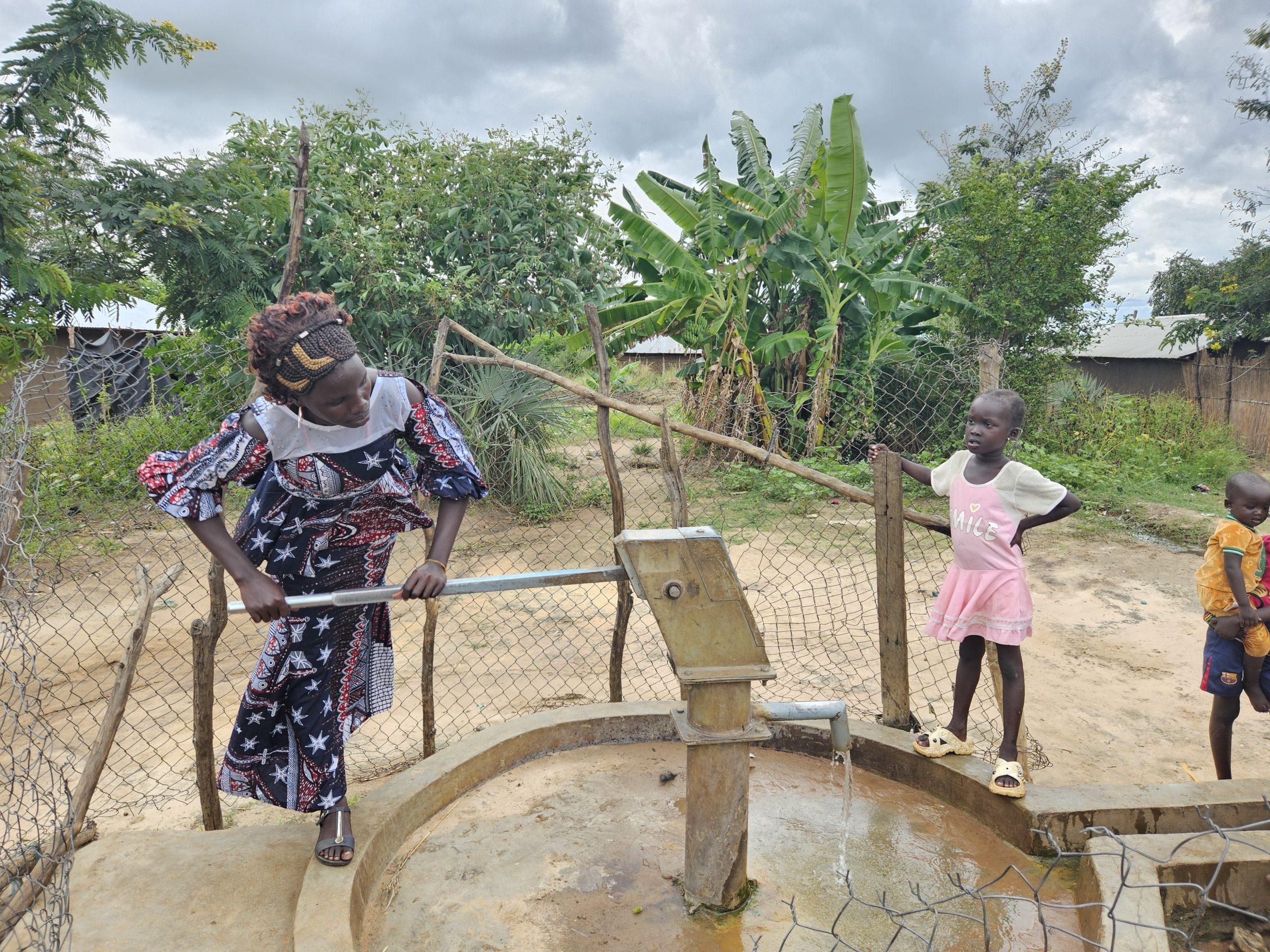
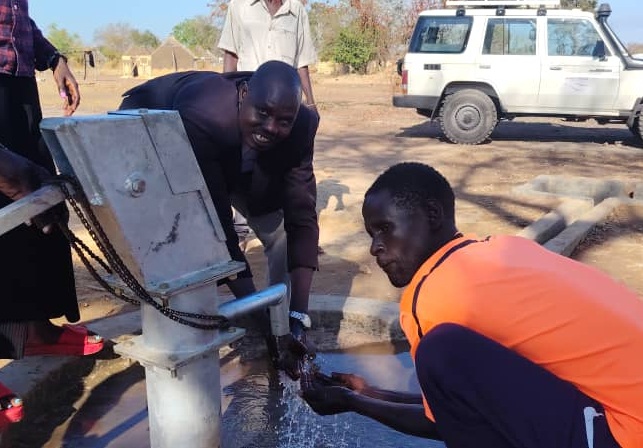
Peace Winds recently completed construction of wells that are delivering safe water to the homes of refugees and local residents of Aweil West County, northern South Sudan. The project is being done in partnership with the local government and community-based organizations, building their capacity to keep clean water flowing in the long-term. The wells will soon be handed over to the local groups.
Aweil West County is home to more than 220,000 people, roughly 32,000 of whom are refugees and asylum-seekers living in Wedweil Refugee Settlement where Peace Winds operates. People continue to arrive at the settlement each day in search of safety, primarily after fleeing the brutal civil war in Sudan. But the population surge is placing a heavy burden on the host community’s already overstretched infrastructure, especially when it comes to water.
“Water was a really big problem for us,” one woman said. “We used to have to wake up early and wait in a long line to collect dirty water.”
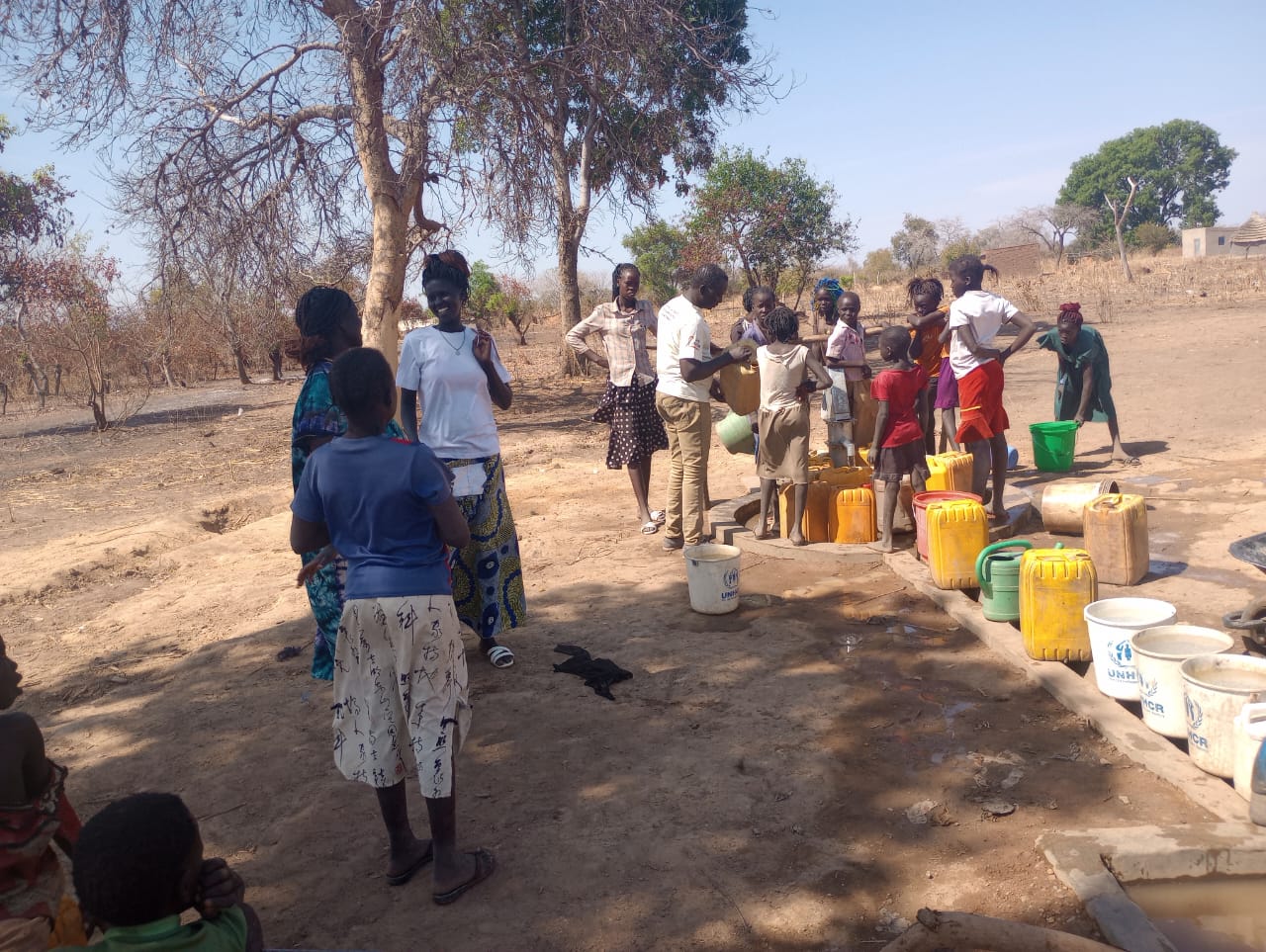
There were not enough wells or other water facilities to keep up with the growing demand, and damage and malfunction have become more frequent with increased use. When there is no water source near their homes, the grueling task of fetching water falls to women and girls who must walk an hour each way to bring water to their families. And in cases where people are forced to drink dirty water, they are put at risk for waterborne diseases.
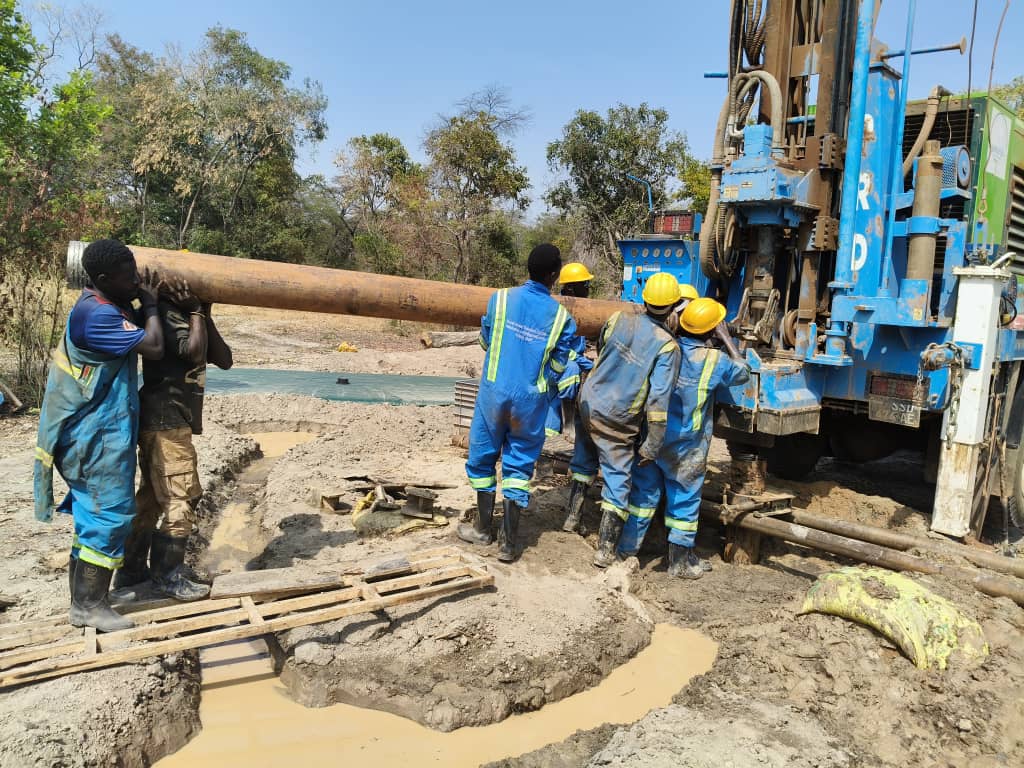
In response, Peace Winds built new hand-pump wells in and around the refugee settlement so that both refugees and local South Sudanese will have access to clean water close to their homes. The completed wells will soon be handed over to the county’s water and sanitation department, which has been closely involved in the program.
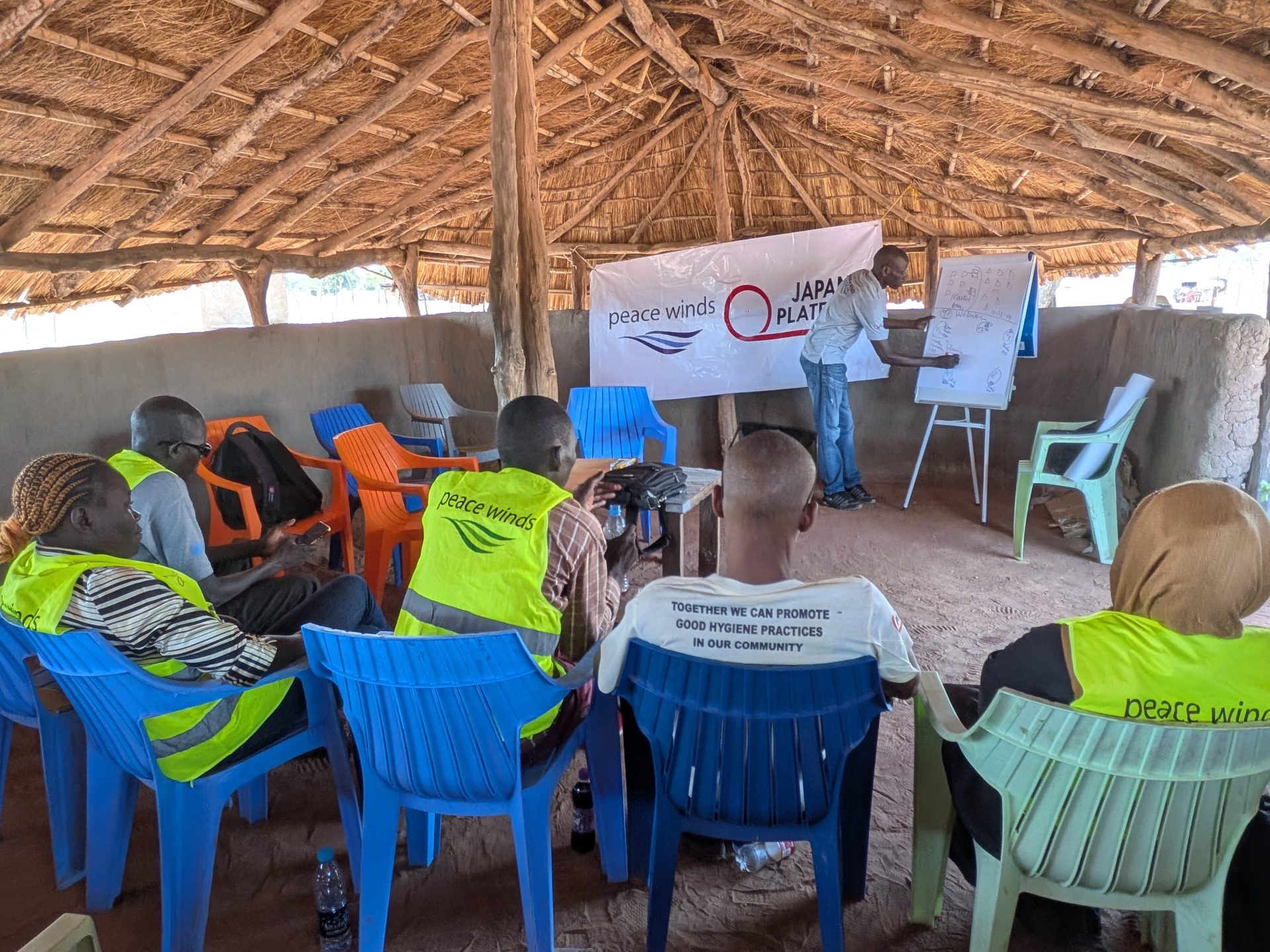
On a daily basis, maintenance will be handled by the newly-formed Water Management Committees. Seven residents make up the committee in each village where wells were installed. Peace Winds provides them with training in skills like water resource and sanitation management; basic repairs; accounting; record-keeping; educating others on proper well use; and considerations for people with special needs, such as people with disabilities and pregnant women. When communities have the tools they need to be self-reliant, they are better equipped to keep their wells working for everyone long after Peace Winds’ involvement ends.
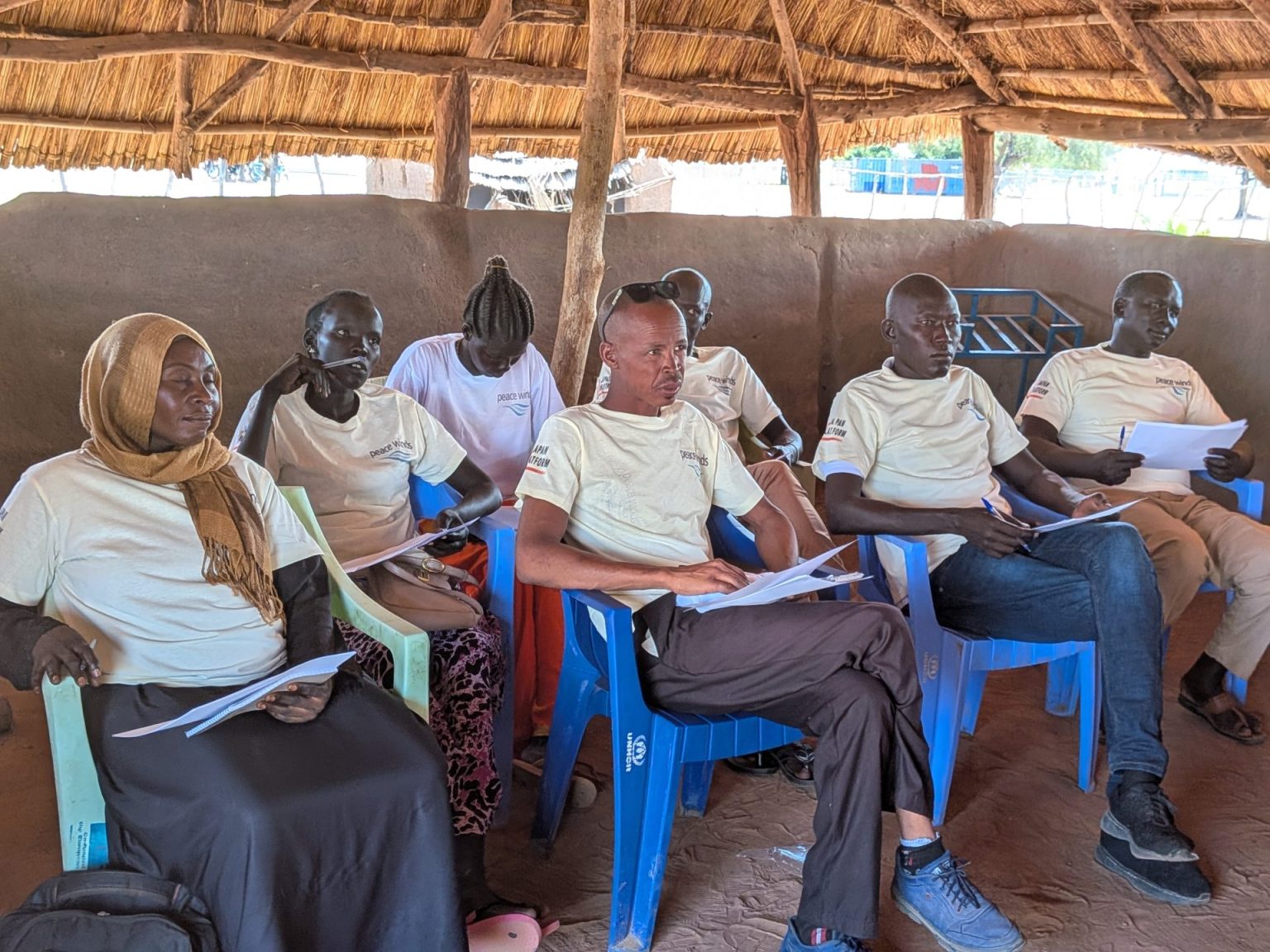
“Now we can get clean water close to our homes,” said one woman who fled Sudan, “and it’s made life much better for the women and children.”
It’s about more than just water; easy access to clean water reduces disease risk and improves people’s physical health and overall well-being. For girls and women, less time spent fetching water means more time for things like school, work, household chores, rest, or hobbies. And the risk of injury or sexual assault that can occur while traveling long distances is also reduced.
“Now that we have water close to our homes, we have more time to take care of our children and work in the fields,” said another woman. Like her, many people in Aweil West County depend on farming for their livelihoods.
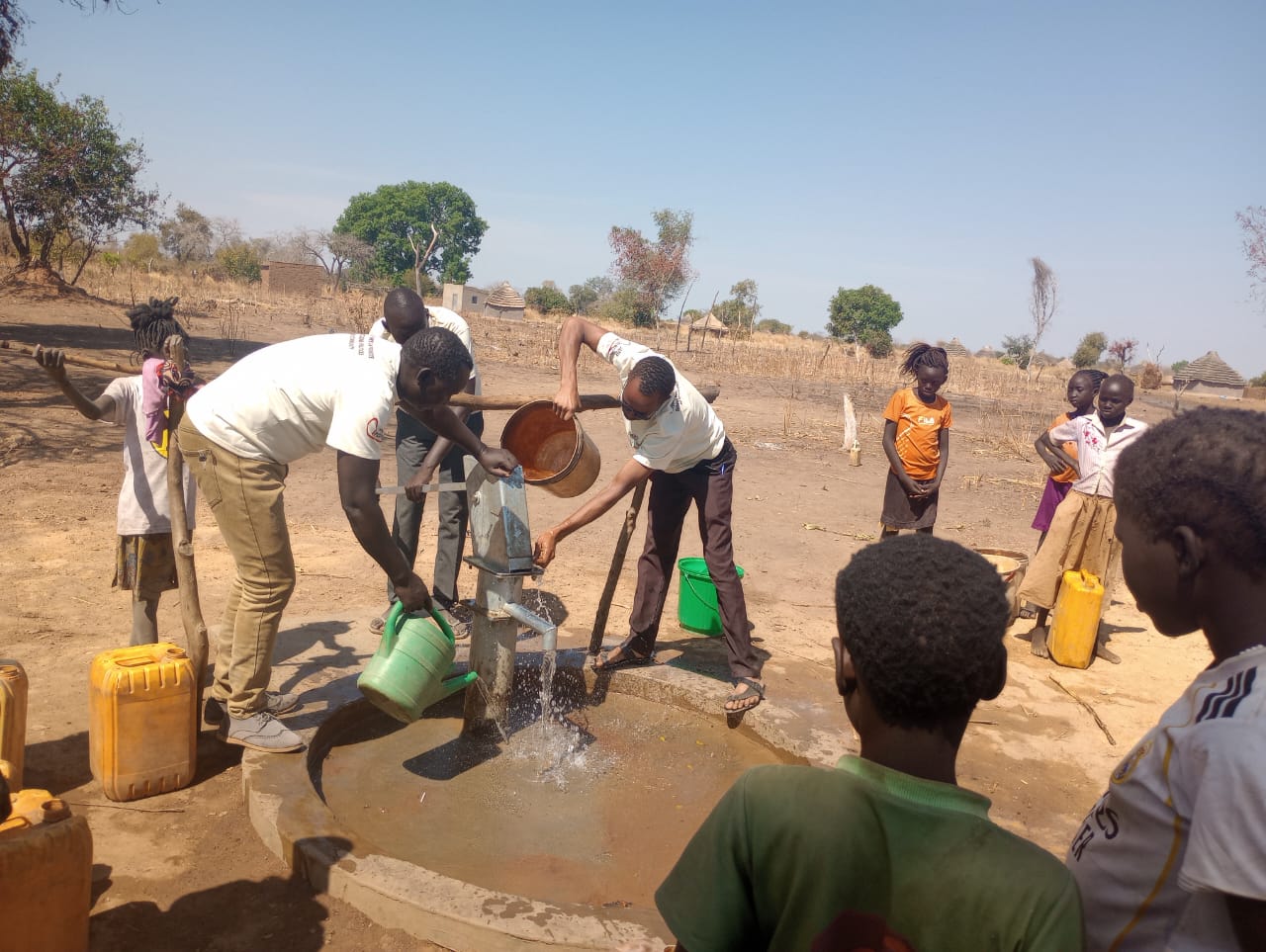
In addition to our work in Aweil, Peace Winds leads water, sanitation, and hygiene services for 21,000+ Sudanese refugees and others in Gorom Refugee Settlement outside of Juba in the south. With your help, we continue to support safer and healthier living conditions through clean water in both communities.