Treating Palau’s Health Care Worker Shortage
With just 18,000 residents, it is no surprise that the remote island nation of Palau faces a chronic shortage of skilled health care workers. There are insufficient numbers of doctors in the country—especially specialists—to treat all of the patients who need care, and there are not enough Palauan nurses to staff the country’s only hospital. Foreign health care workers from the Philippines, Fiji, and other countries help fill some gaps, and periodic medical missions sent by the US military, Taiwanese hospitals, and international NGOs offer specialized treatments one or two weeks a year when they are in the country. But the healthcare worker shortage persists and has a high human cost.
I was delighted to witness how Peace Winds is helping ameliorate the shortage when visiting Palau last week. Peace Winds is currently dispatching three medical professionals from Japan on long-term assignments to work in Belau National Hospital and support the health care system. A senior emergency room physician, Dr. Michiaki Hata, arrived in Palau this week to help fill the hospital’s gap in surgeons, as well as to mentor young doctors. Kaori Murai, a registered nurse, also recently returned to Palau for another six-month stint after previously serving in the hospital’s understaffed surgery ward.
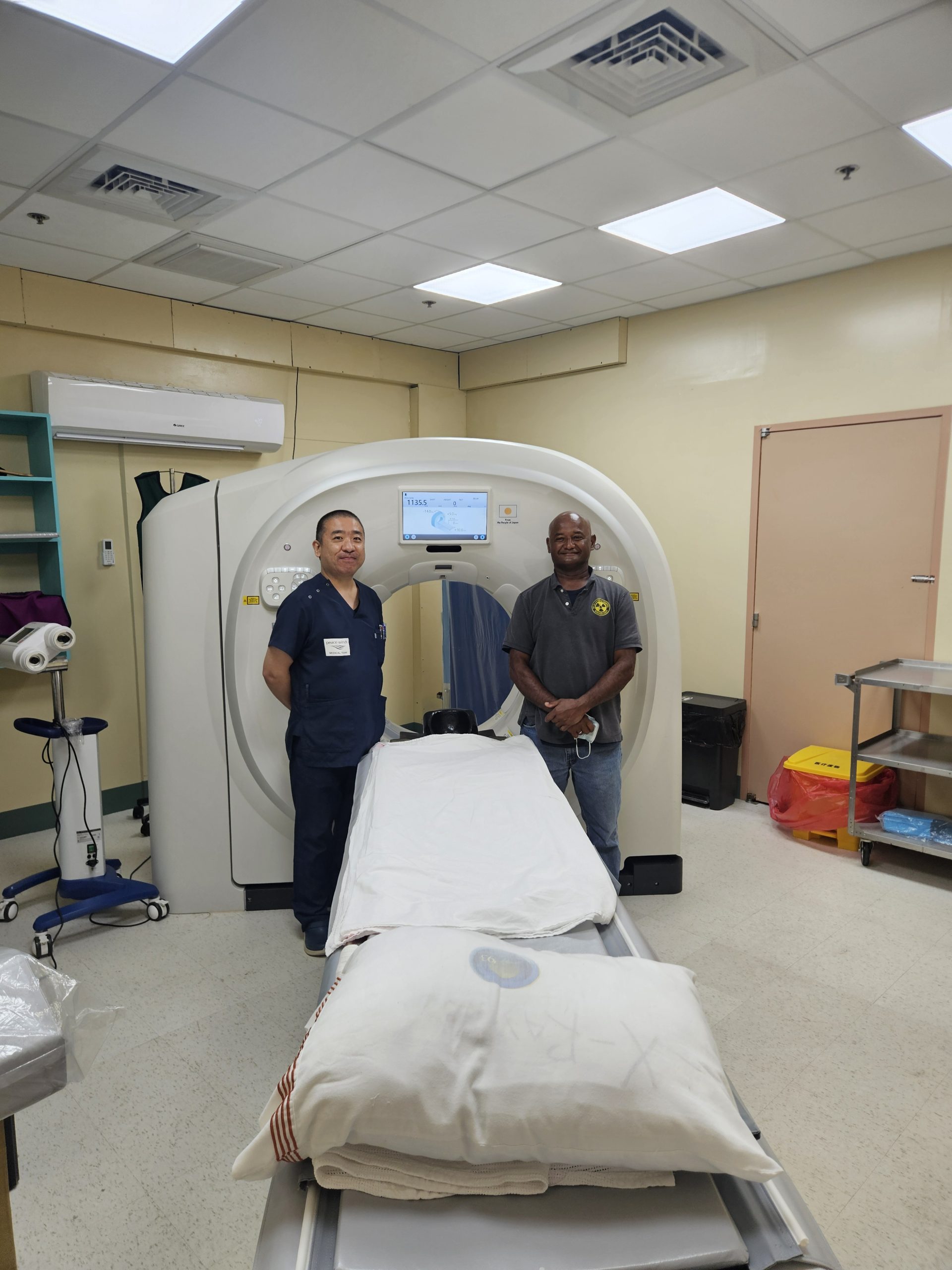
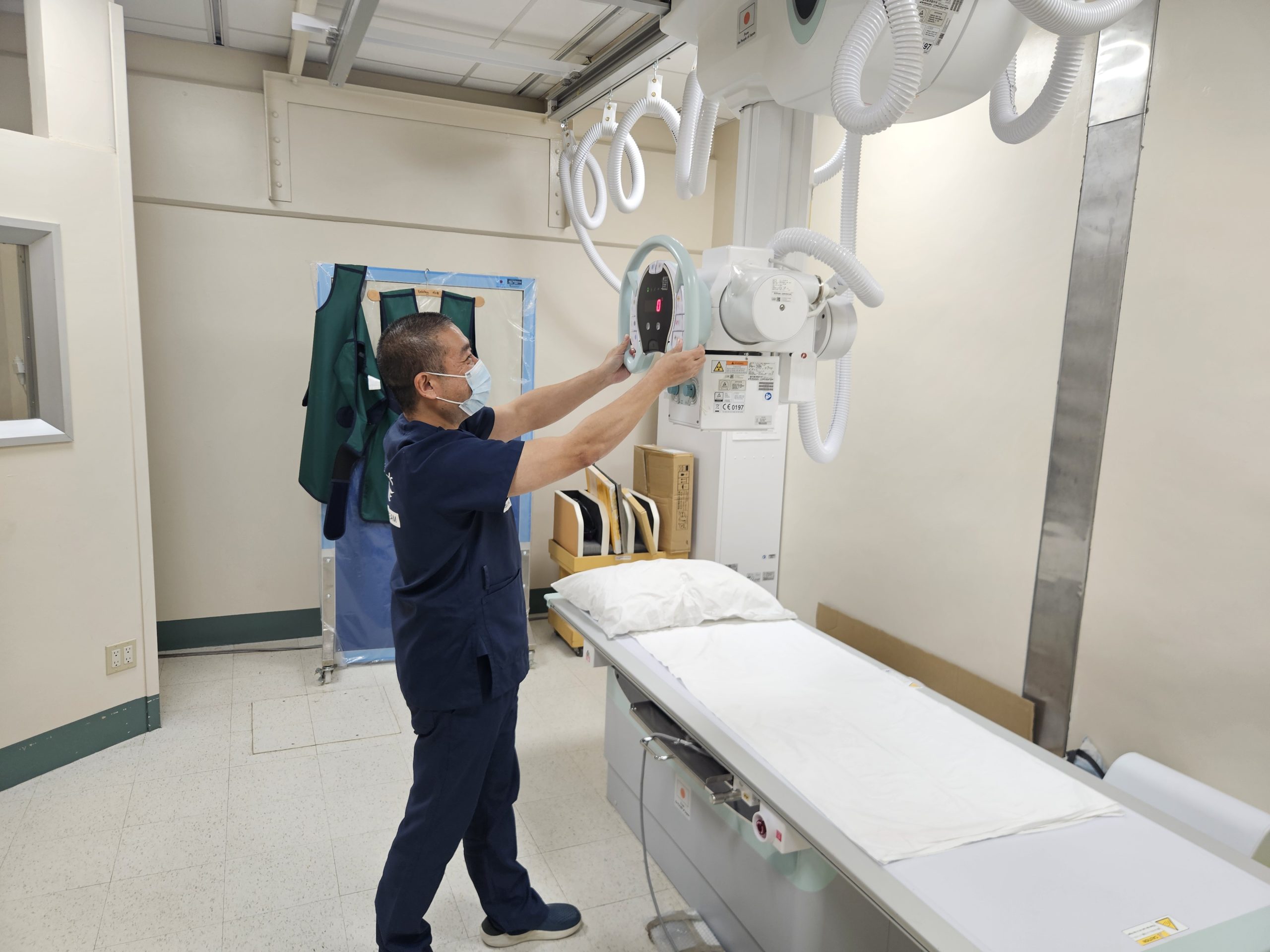
Meanwhile, Peace Winds’ Koji Hamano, the first radiology technician based in Palau, is in his second year of service at the hospital. The hospital had received donated MRI and CT Scan machines, but was unable to use them widely because there was nobody with sufficient training in the country. Since arriving in Palau, Hamano has drastically expanded the use of imaging and provided hands-on training for other hospital staff, significantly improving diagnostics and patient care.
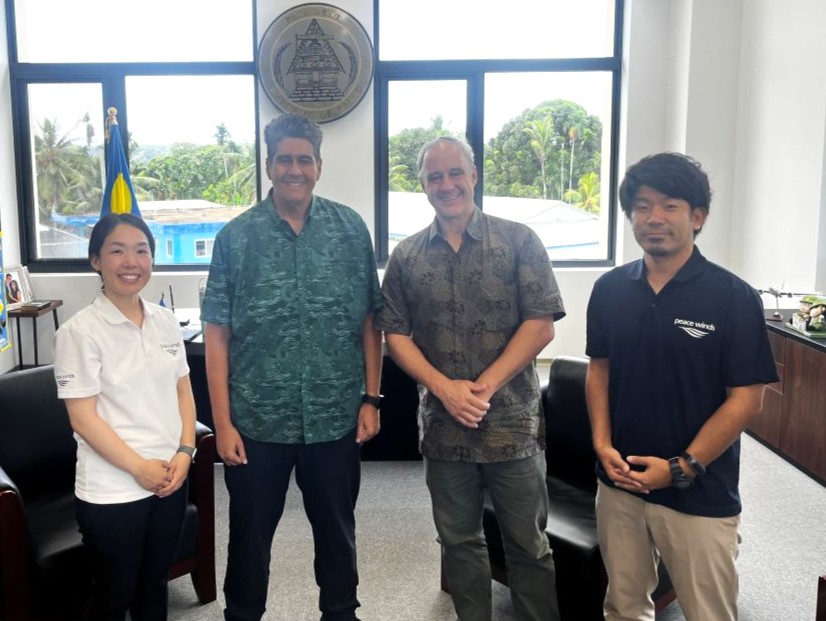
Palau President Surangel Whipps Jr. lauded these contributions in a May 14 meeting at his office, and he encouraged Peace Winds to explore ways of expanding the long-term dispatch of medical professionals. One way to do this would be to regularly rotate an increased number of doctors and other health care workers from Japan, the United States and other countries through Palau for one- or two-year terms, pairing younger professionals with experienced clinicians who can ensure a high standard of care.
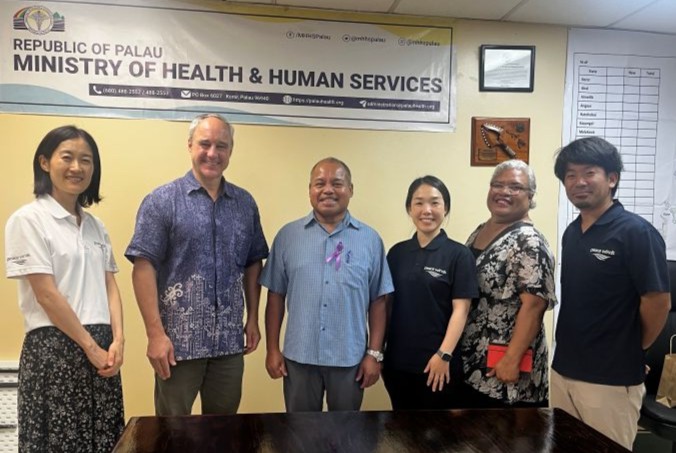
While in Palau, I also saw how these health care workers are contributing outside of Belau National Hospital. Kaori Murai has been working with other Peace Winds colleagues and the Ministry of Health and Human Services Noncommunicable Diseases (NCD) Unit to sponsor NCD screenings around the country. NCDs like diabetes and hypertension account for more than 80 percent of deaths and two-thirds of all hospital spending, so NCD prevention and treatment is a top national priority.
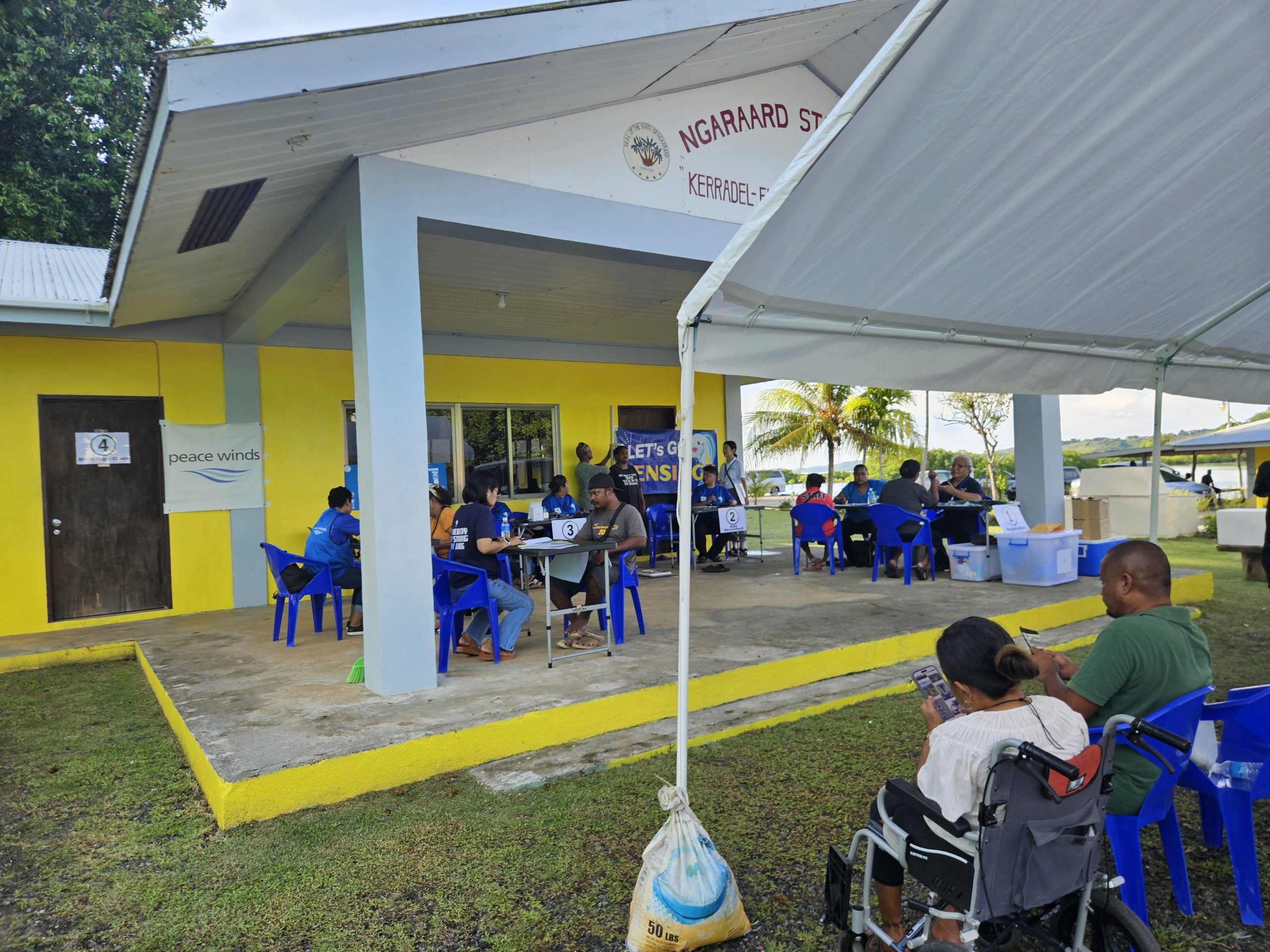
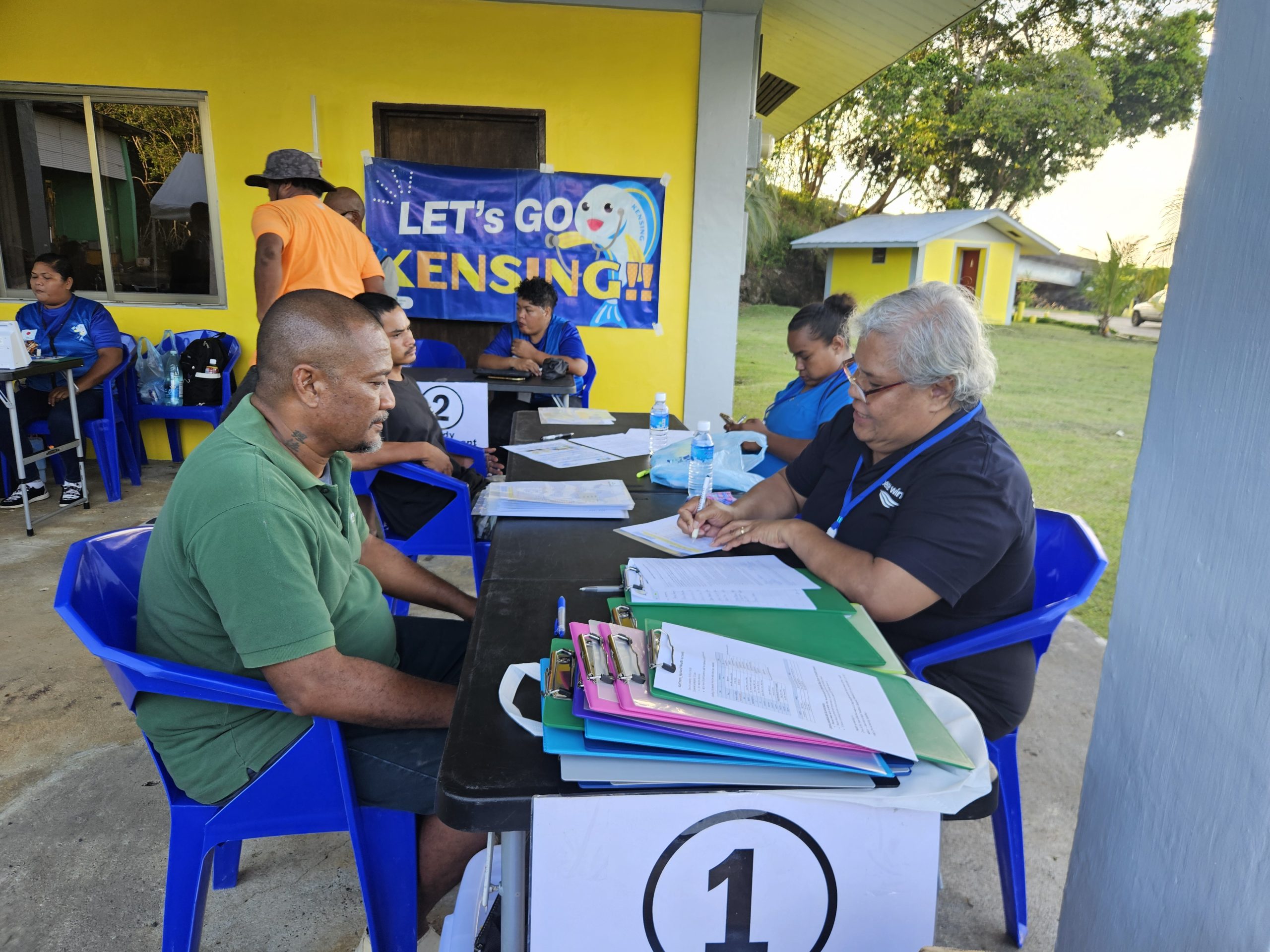
On May 14, the team held a half-day NCD screening event in rural Ngaraard State, which provided testing and counseling for 21 residents—representing nearly one-tenth of the households in the state. It was facilitated by Ngaraard Governor Sharp Sakuma, who stayed through the entire event to welcome residents and also to undergo his own screening. He explained that initiatives like this are critical not just to get people into treatment, but also to raise awareness about healthy eating and exercise habits among others so they can avoid developing these conditions. And, ultimately, limiting the number of people who develop severe diabetes and hypertension reduces pressure on the healthcare workforce, helping alleviate the impact of the labor shortfall in another way.
-Jim Gannon, CEO, Peace Winds America