Local Sanitation Markets Open for Business in Kenya
Being able to set our trash out on the curb or stop by the drugstore for menstrual pads is something that many of us take for granted. For thousands of residents of Kenya’s Kakuma and Dadaab refugee settlements, building up the infrastructure for basic services like these has been years in the making. Both communities are celebrating new milestones.
Just a few years ago, the 300,000+ residents of the Kakuma Refugee Settlement had almost no waste management system for the 184 tons of garbage that it produces each day. Last month, the community unveiled a brand new Material Recovery Facility and Plastic Recycling Centre that Peace Winds spearheaded. The grand opening represents a big step in a years-long initiative to improve waste management by creating a whole end-to-end recycling ecosystem.
Plastic garbage has become a major problem, with no environmentally safe way to dispose of it. Now, the new facility gives the community the ability to process plastic waste by grinding bottles into pellets, which can be transported by truck in a cost-effective manner for sale to recyclers hundreds of miles away. The pellets can also be used locally in construction materials, which are in high demand due to deforestation.
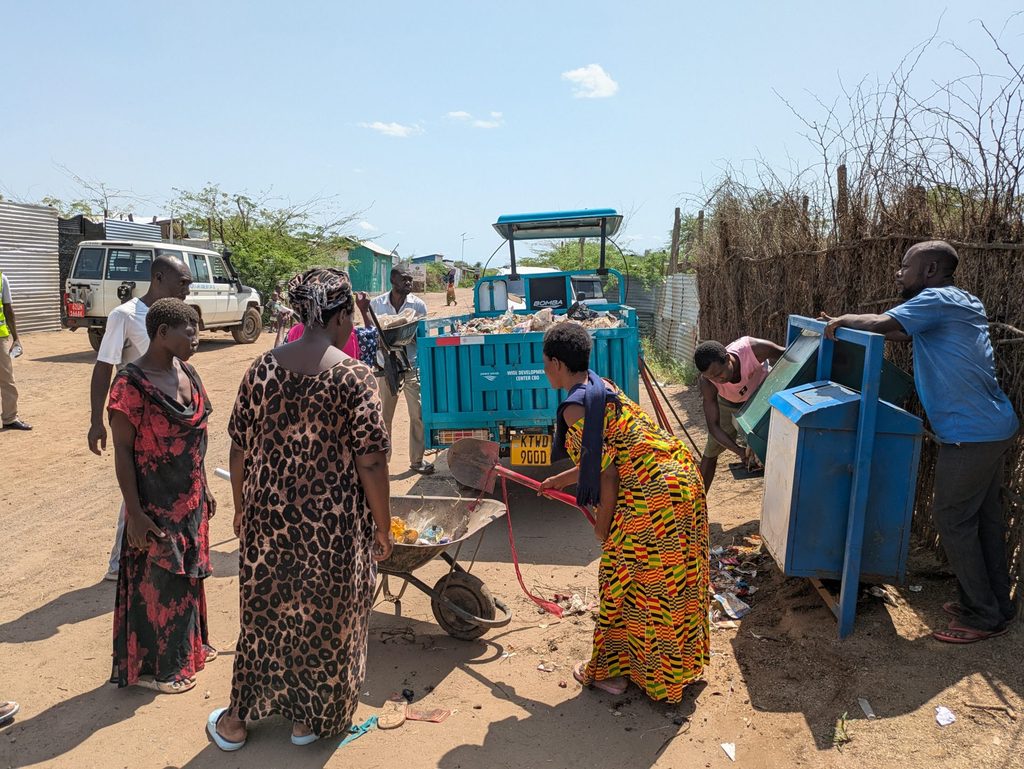
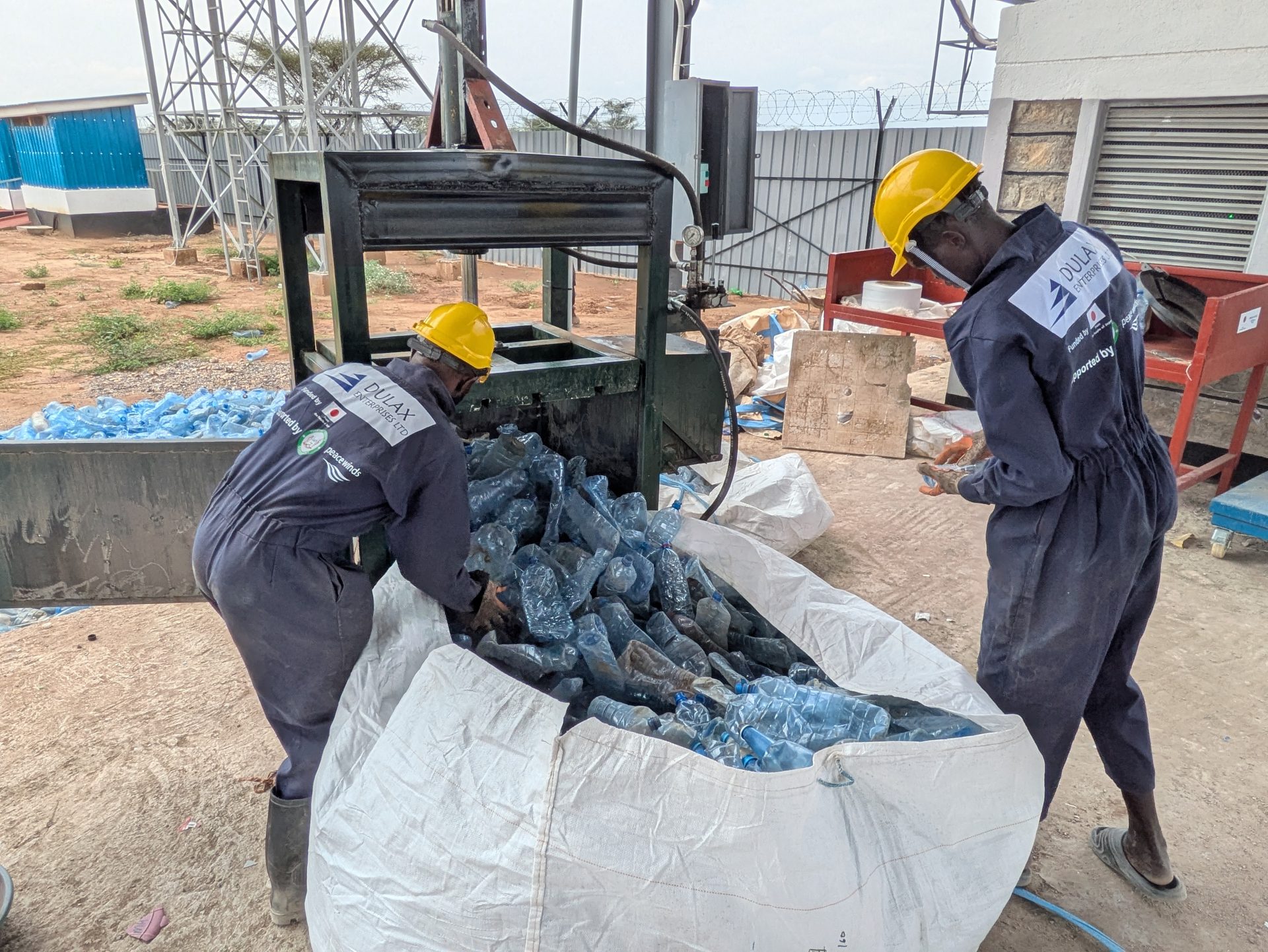
Roughly 400 refugees from 10 local community-based organizations make up the waste management coalition here. Peace Winds has nurtured the creation of these organizations and the coalition, and worked with them to build a system from the ground up–providing equipment, facilitating local market negotiations, and running training programs.
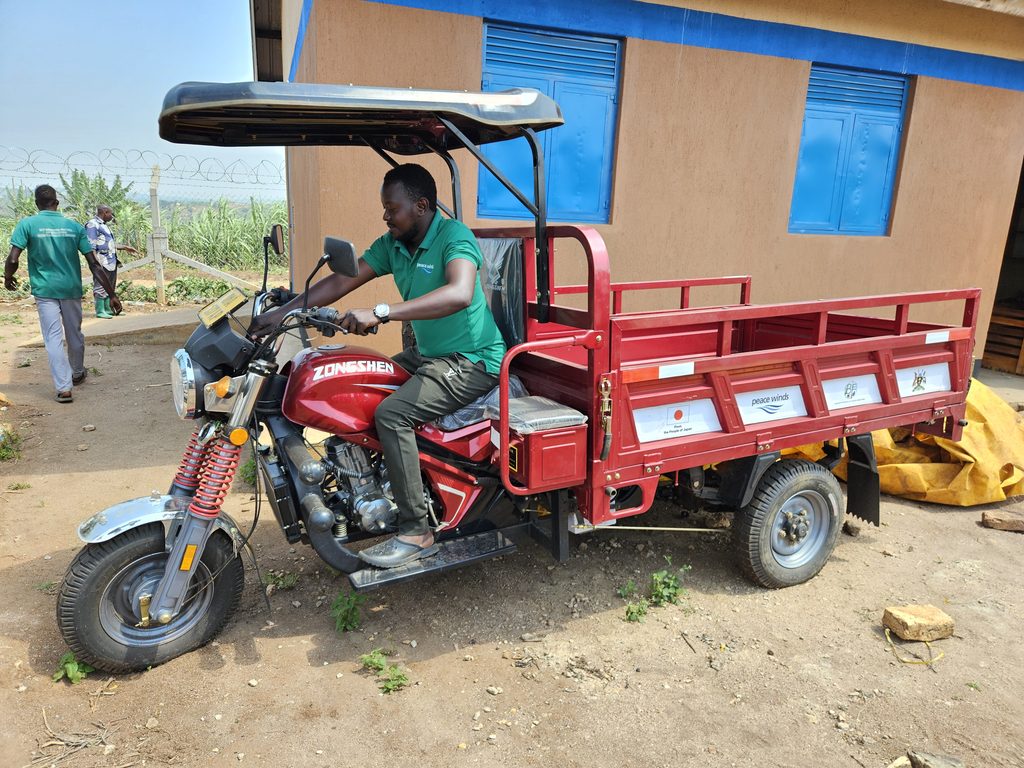
Coalition members collect garbage and bring it to one of the 13 waste transfer stations that Peace Winds constructed throughout Kakuma. Then they separate out metals, glass, paper, and plastics, and they also compost food waste. The groups sell the scrap metal and the compost, and after costs are covered, they share the profits among themselves from the garbage collection and sale of recycled materials. The launch of the new recycling center is an important step that helps ensure that these organizations can become financially self-sustaining, making a profitable business out of waste disposal and recycling.
Meanwhile, at the Dadaab refugee camp in northeastern Kenya, thousands of residents have for years relied on aid distributions for items like soap and sanitary supplies. But distributions are inconsistent, and products are rarely available at affordable prices.
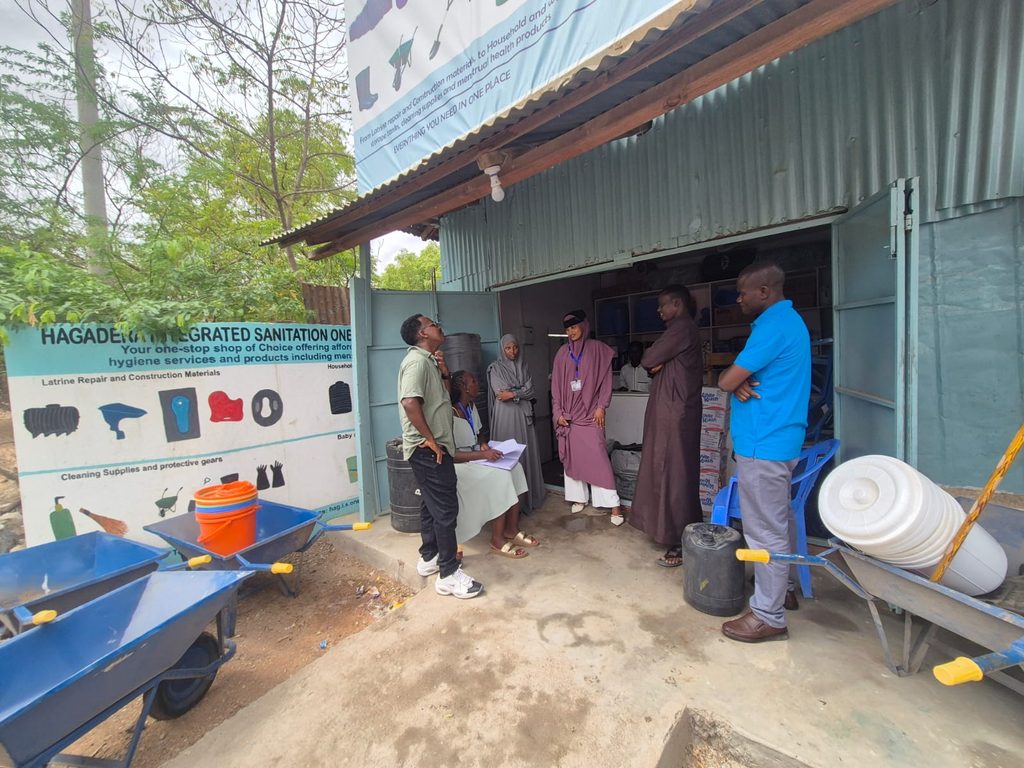
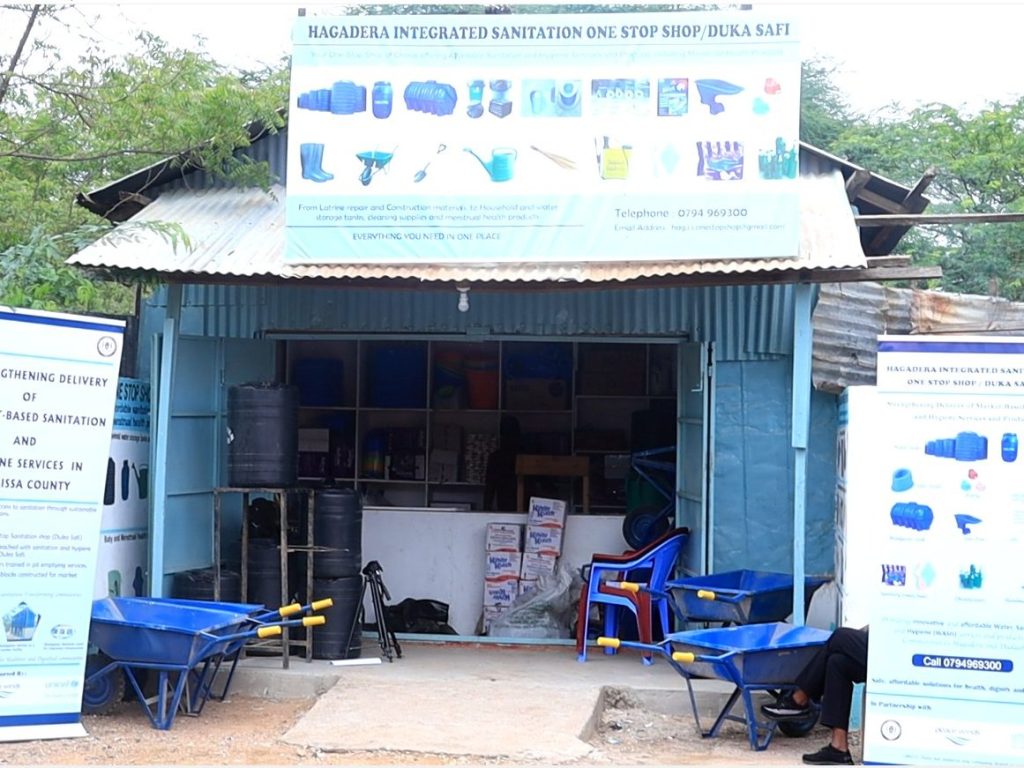
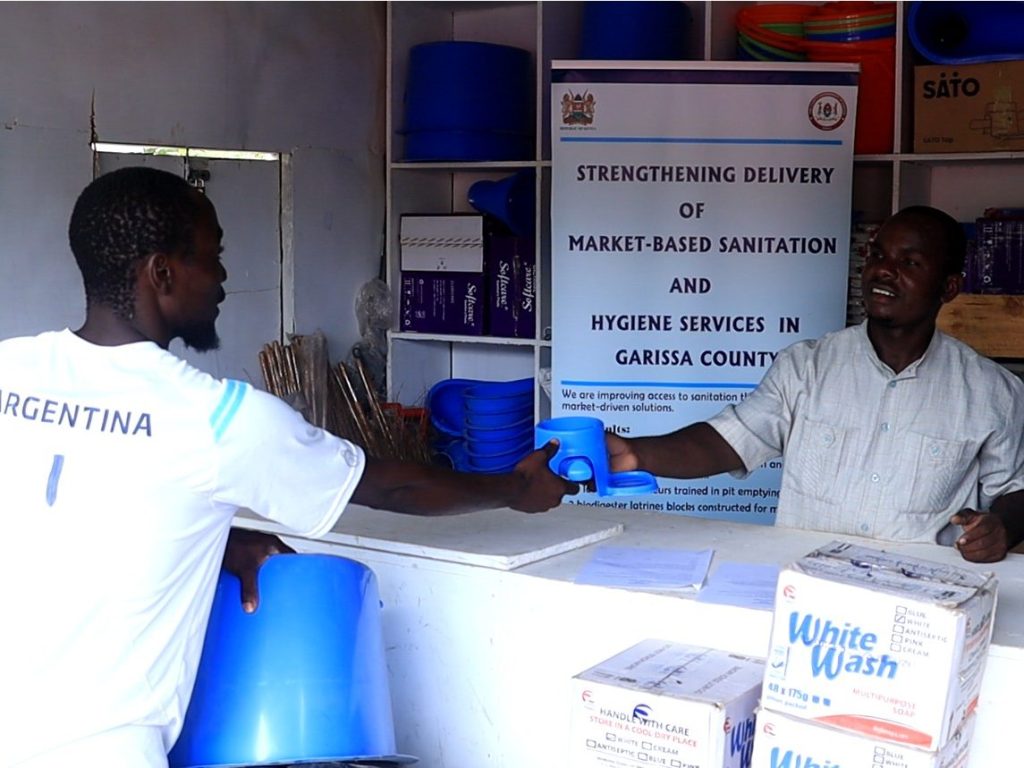
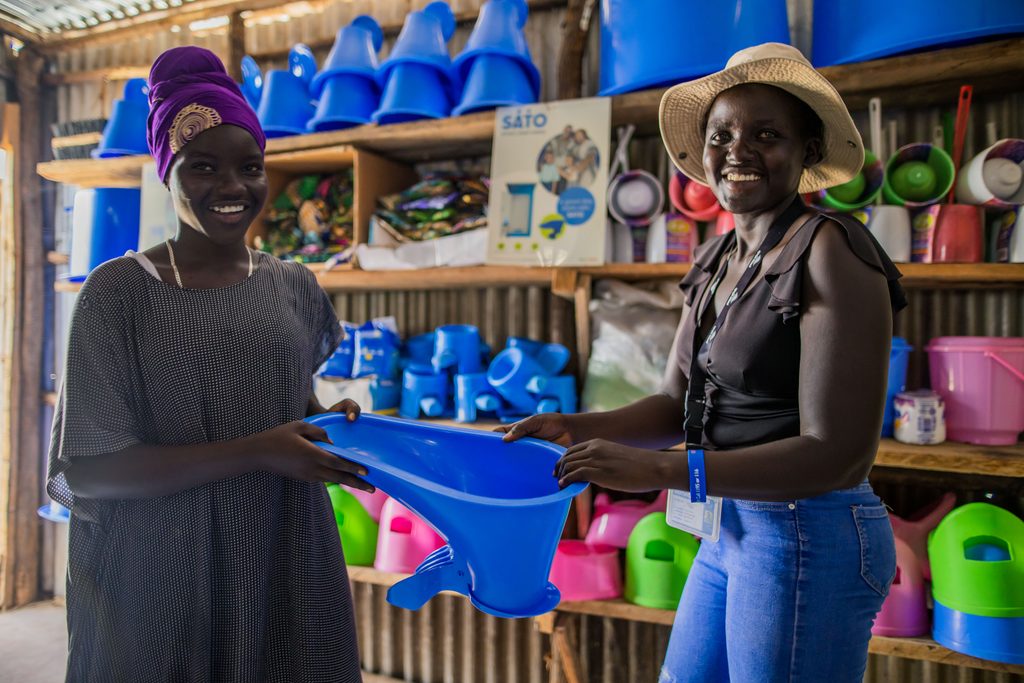
Peace Winds has worked in other places with refugees to stand up and subsidize stores called “Duka Safi” – “clean shop” in Swahili – that sell sanitary supplies in order to create a local market for hygiene items that sometimes are not readily available in shops near refugee camps. We recently expanded this to Dadaab’s Hagadera neighborhood, home to about 134,000 people. Peace Winds teamed up with 15 entrepreneurs from the camp and surrounding community two months ago to establish a new Duka Safi store where residents can buy hygiene items for themselves at affordable prices. Peace Winds provided training for the refugees and local residents, not only in sourcing and selling products, but also in accounting, customer service, and management.
The community-run shop is now open for business, offering items including menstrual pads, soap, cleaning supplies, and even materials for building and repairing home latrines. And because they have easy access to these supplies, more and more residents are installing more hygienic latrines for their families that reduce the spread of disease.
In addition to the public health impacts, the program is creating livelihood opportunities. The members of the Duka Safi management team have officially registered as businesses, and after just two months in operation, they are recording average monthly sales of approximately 70,000 Kenyan shillings (roughly US$540). Members share the profits so they can support their families.
“Beyond just earning an income, what brings me the greatest joy is being able to contribute to the health and well-being of everyone in the community,” one of the young entrepreneurs says. The team is already laying the groundwork to continue the business self-sufficiently after the Peace Winds program ends.