Disaster Relief, Recovery, and Preparedness in Japan
Peace Winds is one of the most capable disaster response organizations in Japan, conducting a broad range of rescue, relief, recovery, and preparedness activities.
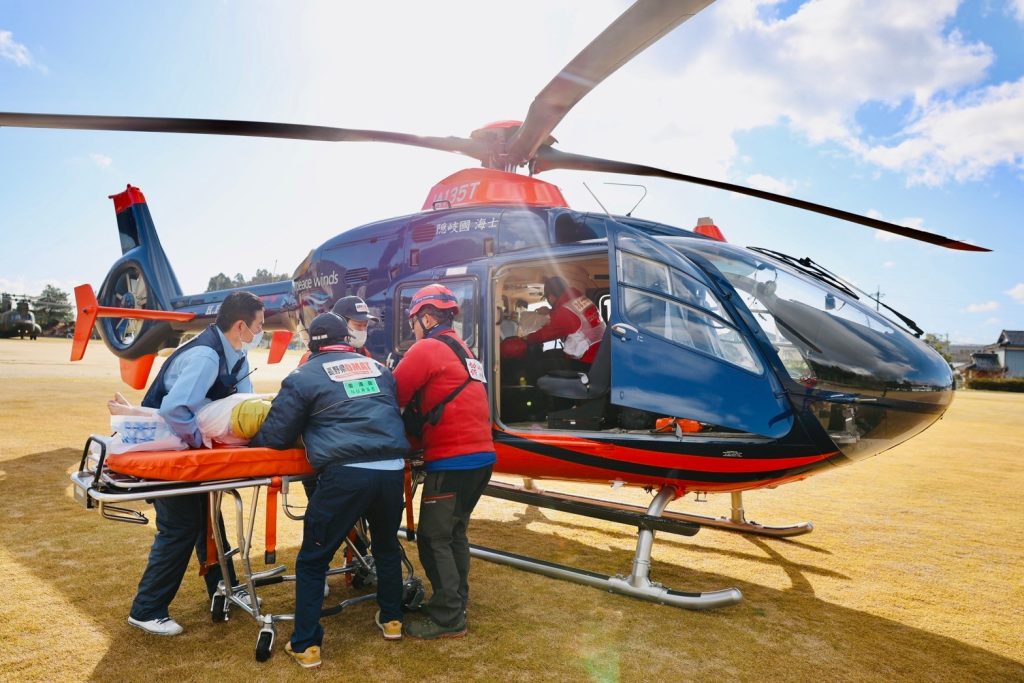
Our ARROWS disaster response team includes 20 full-time doctors, nurses, search-and-rescue experts, and logisticians as well as search dogs, helicopters, and ships. Teams are deployed on several hours’ notice for disasters throughout Japan, as well as internationally. They have responded to dozens of disasters in Japan and around the world over the last three decades.
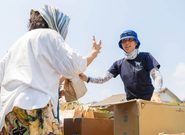
From the very start, Peace Winds teams keep in mind the importance of long-term recovery in the months and years after headlines fade. When the “rescue phase” ends, ARROWS hands off to Peace Winds responders who are experts on relief and long-term recovery. This often includes managing evacuation centers; distributing food, clean water, and supplies; organizing psychosocial support programs; and coordinating with local governments to conduct a range of community rebuilding initiatives.
Current Responses in Japan
Peace Winds is on the ground in Kumamoto providing emergency relief after the July 2026 earthquake. Please click here for the latest updates.
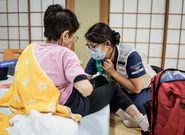
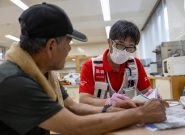
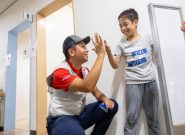
Additionally, a Peace Winds team is stationed in Suzu on the eastern half of Japan’s Noto Peninsula, where it has been leading long-term recovery programming since the 2024 New Year’s Day Earthquake. As evacuees rebuild and adjust to life in short-term housing, Peace Winds is running an activity center for children, hosting community events and conducting wellness checks for seniors, and leading physical and psychosocial wellness activities for residents of all ages.
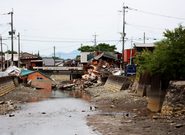
Peace Winds also aided survivors of the devastating 2025 fires in Ofunato and Oita, providing emergency medical care, distributing relief supplies, and helping manage evacuation centers.
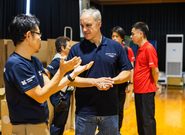
Natural disasters are an unfortunate reality in Japan, and Peace Winds knows the importance of staying prepared as well as meeting changing needs throughout the rescue, relief, and recovery stages of disasters. When they are not actively deployed, our team members run disaster preparedness programs, including organizing drills and training sessions about how to best prepare, as well as community-centered activities where adults and children can come together to share their knowledge and experience in creative ways.
Your donations to this program allow us to deliver emergency rescue and relief as soon as it is needed, help communities recover and rebuild in the long-term and support ongoing disaster preparedness education and programming.

Peace Winds’ Major Disaster Responses in Japan
Peace Winds has responded to more than 60 emergencies in Japan, taking part in search-and-rescue operations, distributing emergency relief supplies, helping residents evacuate their homes, and supporting the management of evacuation centers. (Peace Winds teams have also responded to numerous disasters elsewhere in Asia, North America, Africa, and the Middle East.) Below are some of the major Japan responses and milestones.
Related Initiatives
Asia-Pacific Alliance for Disaster Management
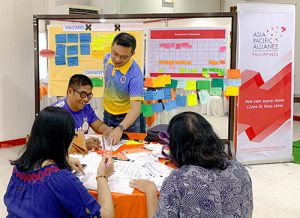
A sister organization of Peace Winds, the Asia Pacific Alliance for Disaster Management (A-PAD) is a trans-national disaster aid alliance that works to facilitate cooperation between governments, private companies, and NGOs in the Asia-Pacific region. Learn more about A-PAD (English, Japanese, and Korean available).
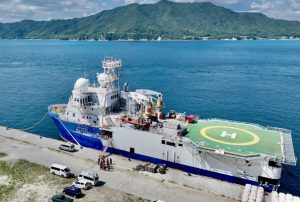
The Power of Change Disaster Response Medical Ship
The Power of Change is a medical ship that allows Peace Winds responders to more easily reach survivors, treat patients, and deliver supplies after disasters. This is especially crucial for island nations in the Asia-Pacific when roads and other means of ground transportation are damaged or destroyed. Learn more about the Power of Change (Japanese only).