Needs Shifting But Not Shrinking for Kumamoto Earthquake Survivors
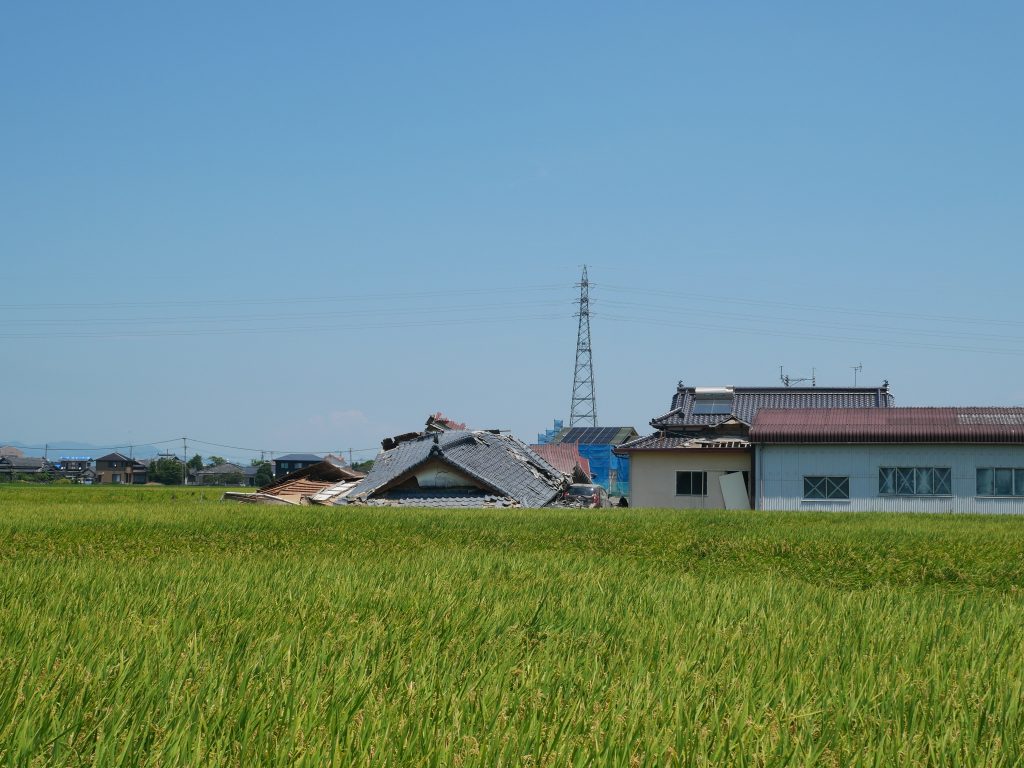
Two weeks after the earthquake in Kumamoto Prefecture, evacuation centers are beginning to scale down their activities, with some closing altogether. Businesses are reopening in some places, and some evacuees have returned to their homes, which are sometimes damaged. Others are leaving evacuation centers to stay in donated hotel rooms or other alternative housing while they wait for temporary housing to be constructed. Through this, while the nature of the needs in Kumamoto are changing, they are no less critical than they were two weeks ago.
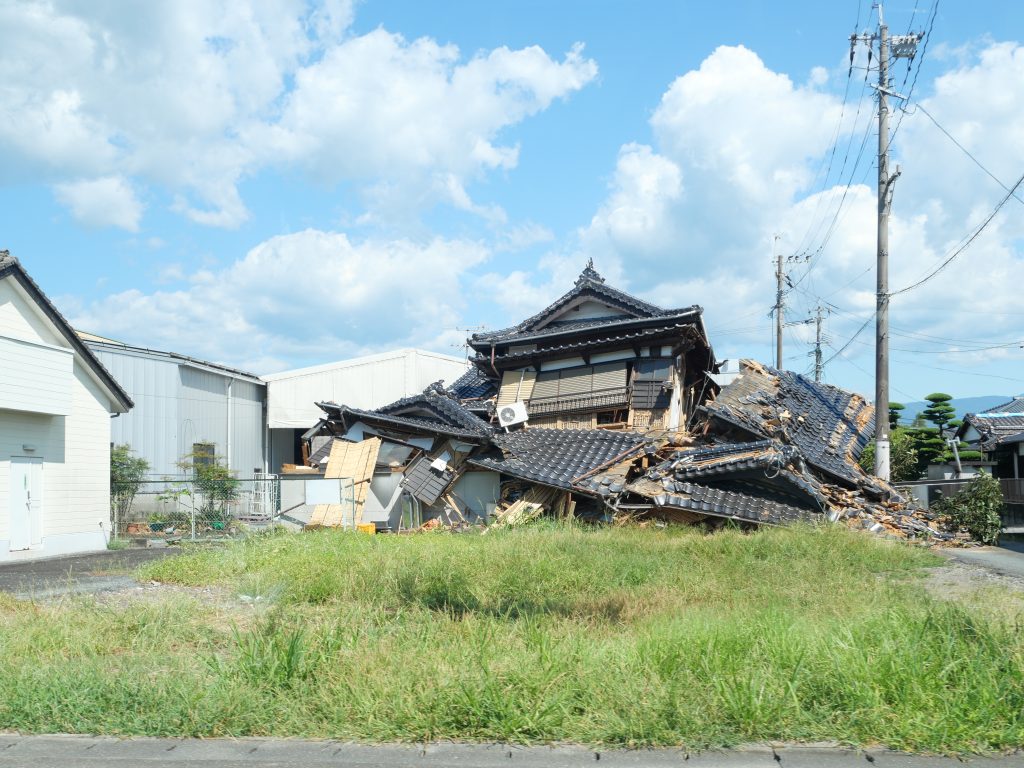
Many areas are still without running water or power amid extreme summer heat. Water outages are expected to be resolved within the next two weeks, but with so much damage, it will take much longer than that for water pipes to actually be reconnected to many people’s homes.
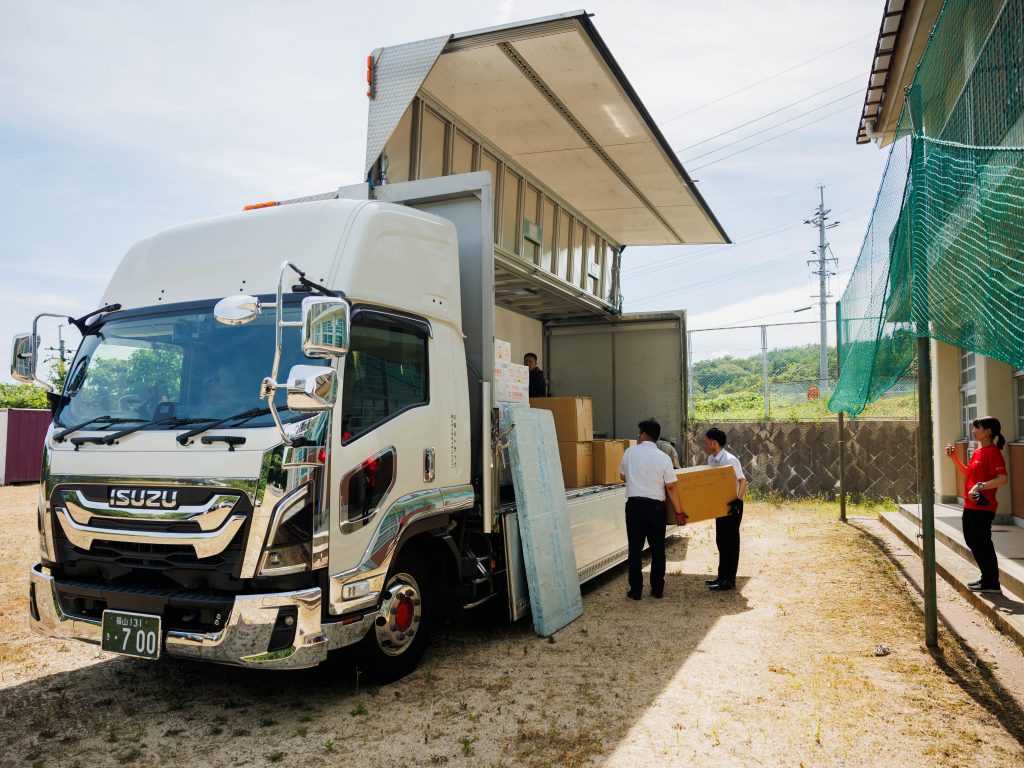
Peace Winds teams continue to distribute bottled water, hygiene products, pet and baby items, and other emergency supplies at a number of the remaining evacuation centers. They are also serving hot meals and running bathing facilities each day.
The lack of air conditioning and insufficient hygiene are especially problematic for elderly survivors. Dozens have fallen ill with heatstroke, and some assisted living facilities are reporting bedbug infestations. Fortunately, clinics and hospitals in Kumamoto are receiving a steady stream of support from around the country. However, smaller care facilities for the elderly and disabled are receiving less aid, and many are running low on supplies and funds. Overstretched nurses and other care workers are struggling to keep residents comfortable and cook enough meals. A nutritionist at one center in Uki, a city in the west of Kumamoto Prefecture, reported yesterday that although residents are now back to eating three meals a day, many are still nutritionally deficient.
Peace Winds staff are regularly delivering supplies and other aid to this facility and several others. Material support includes hygiene supplies, cutlery, and hot meals. Still, supplies are limited, and much more will be needed to help residents through the coming weeks.
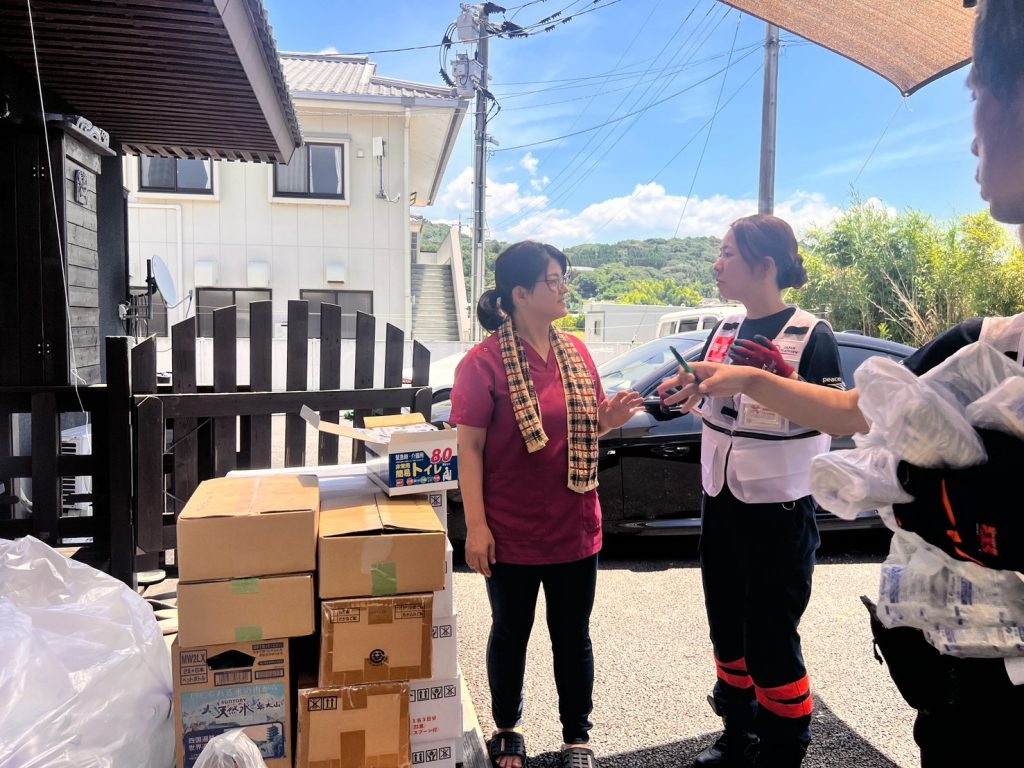
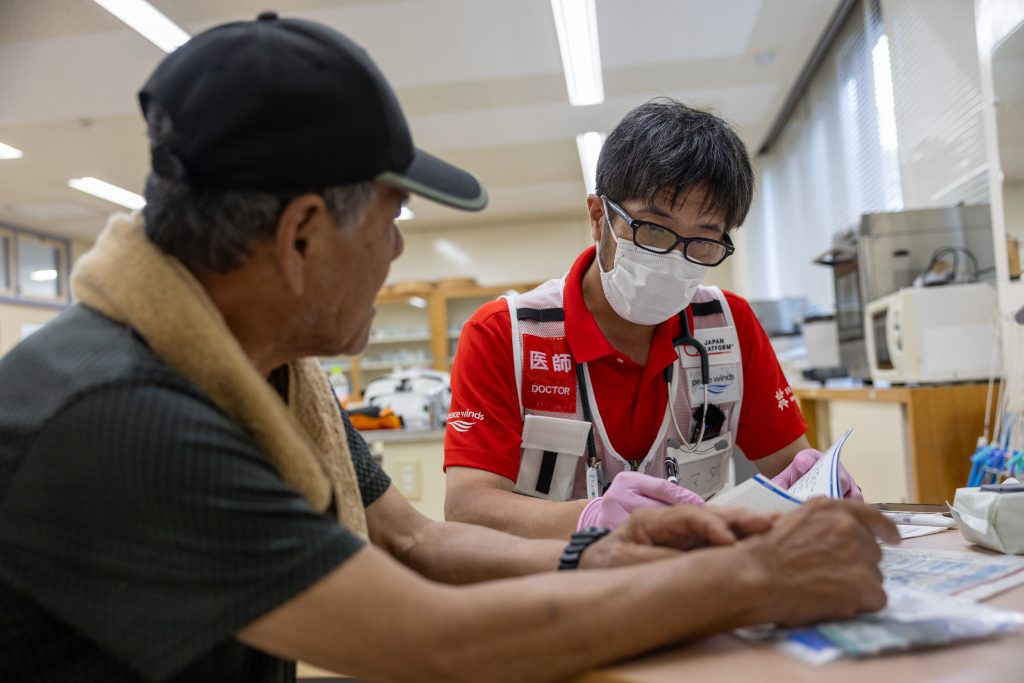
Our medical team also continues to examine and treat patients in evacuation centers, at care facilities, and in survivors’ homes. This is important in crowded evacuation centers where COVID cases are on the rise. And Peace Winds is especially focused on public health support for those outside the centers; many people remaining in their damaged homes are elderly, and isolation leaves them more vulnerable to unchecked mental and physical health changes.
Peace Winds remains committed to supporting Kumamoto as the response shifts from relief to recovery. In the weeks and months ahead, teams will expand public health support to include pop-up clinics, case management, and psychosocial care. We also plan to help survivors transition into temporary housing as units become available in September.
If you wish to donate, please do so on this page or click here to learn more about ways to contribute. We are so grateful for your support.