Venezuela Survivors and Aid Workers Persevere in Extreme Summer Weather
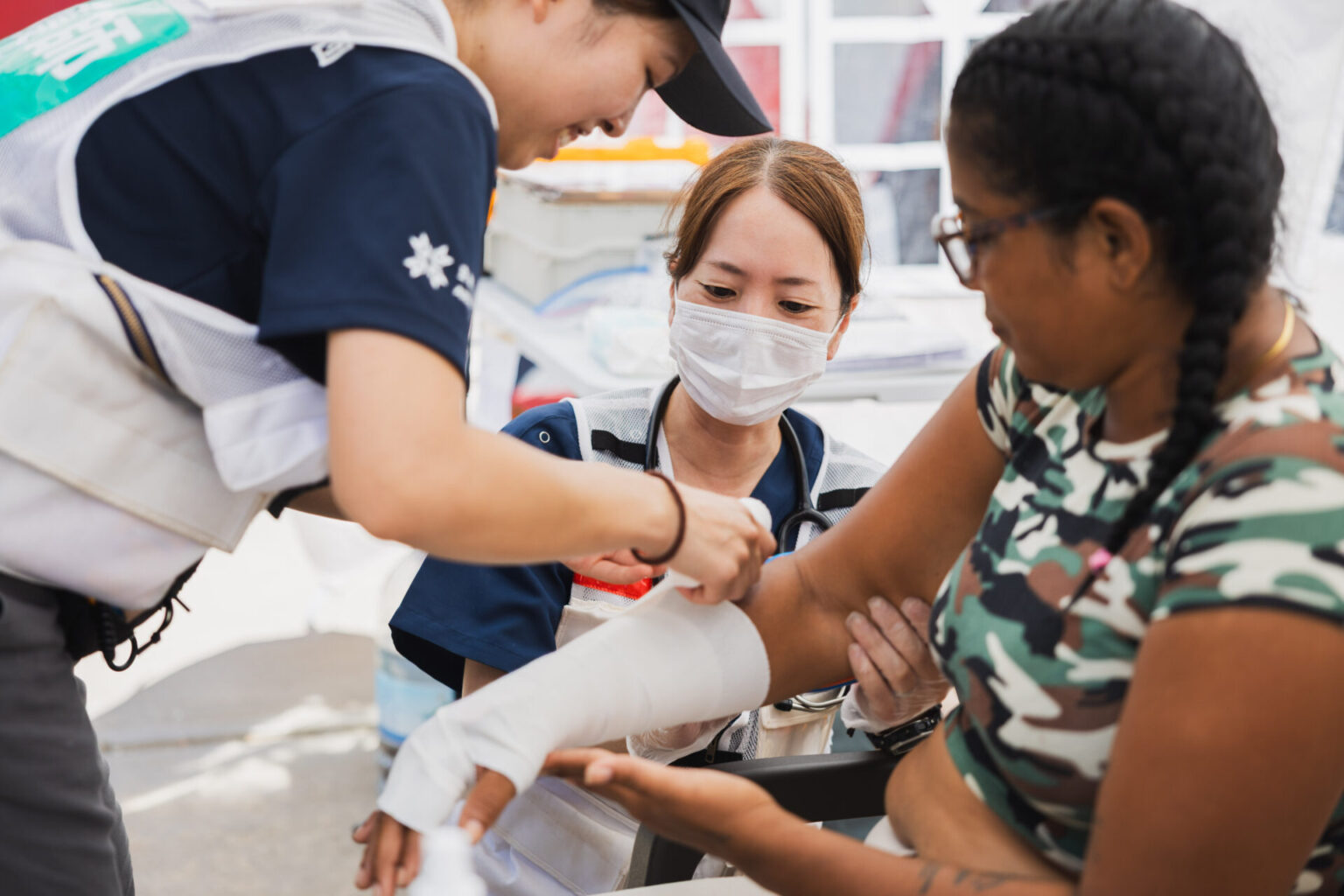
La Guaira, Venezuela, the earthquake-ravaged coastal city near Caracas, is no stranger to hot, humid summer weather. But as life in tents without air conditioning wears on, the high temperatures are becoming difficult for survivors, aid workers, and even medical equipment to bear.
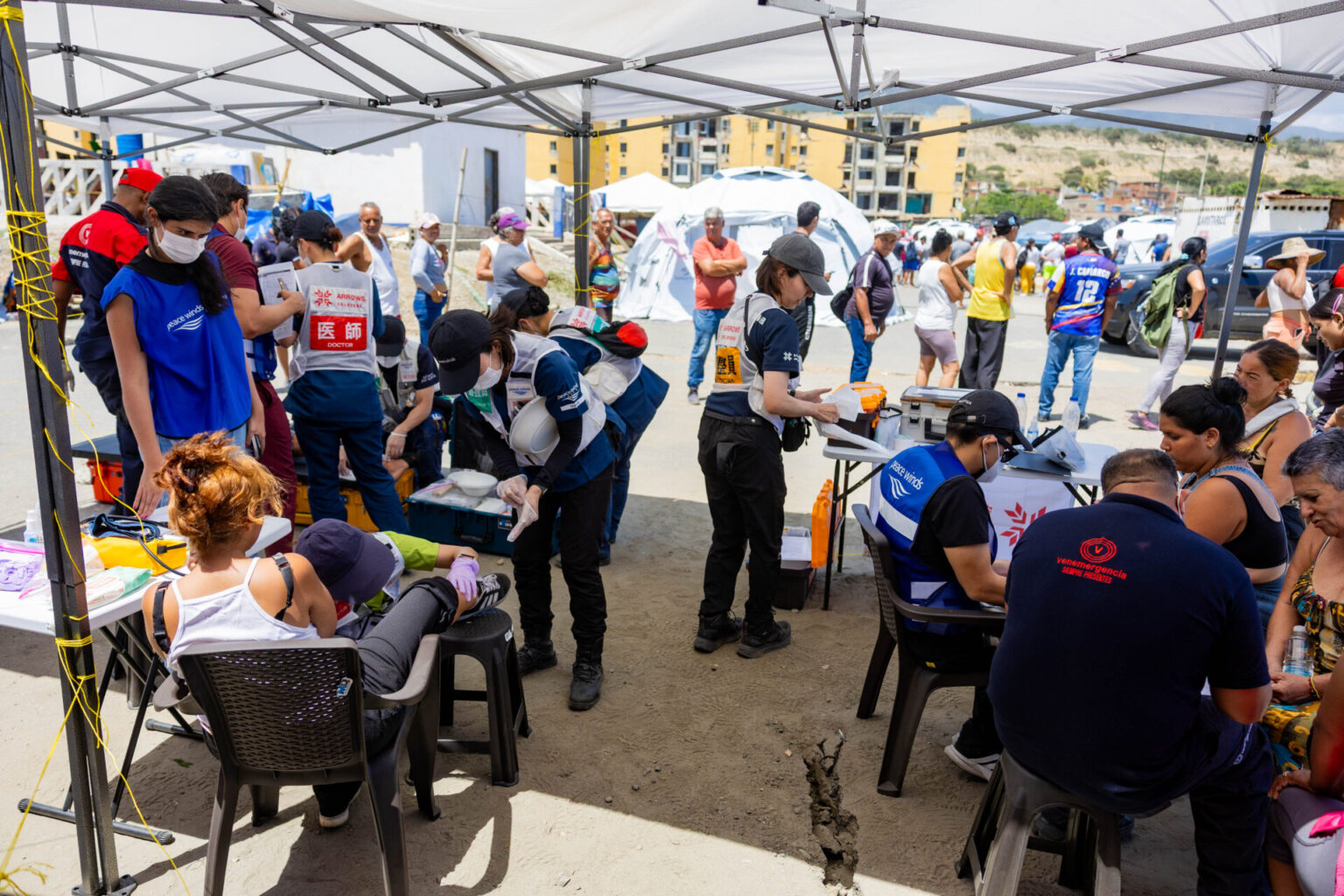
Doctors and nurses are treating survivors at a mobile Peace Winds field clinic in La Guaira. Though they initially began working out of a school in Caracas, they had to move their operations when the school reopened more than a week ago. Since then, the team has been setting up its medical tents in different locations each day depending on the constantly-changing needs of the community.
The heat and humidity in La Guaira, which are much worse than in Caracas, were the first things that Peace Winds staff noticed when they arrived. One team member reports that this is, perhaps, one of the more unexpected factors that drove home the realization of how difficult prolonged evacuation after a disaster can be.
They and other aid workers are frequently drenched in sweat as they treat patients in outdoor tents. Not only do these lack air conditioning, but they often magnify the direct sunlight filtering through them. One day last week, the thermometer on the Peace Winds clinic’s medication storage box read over 110°F.
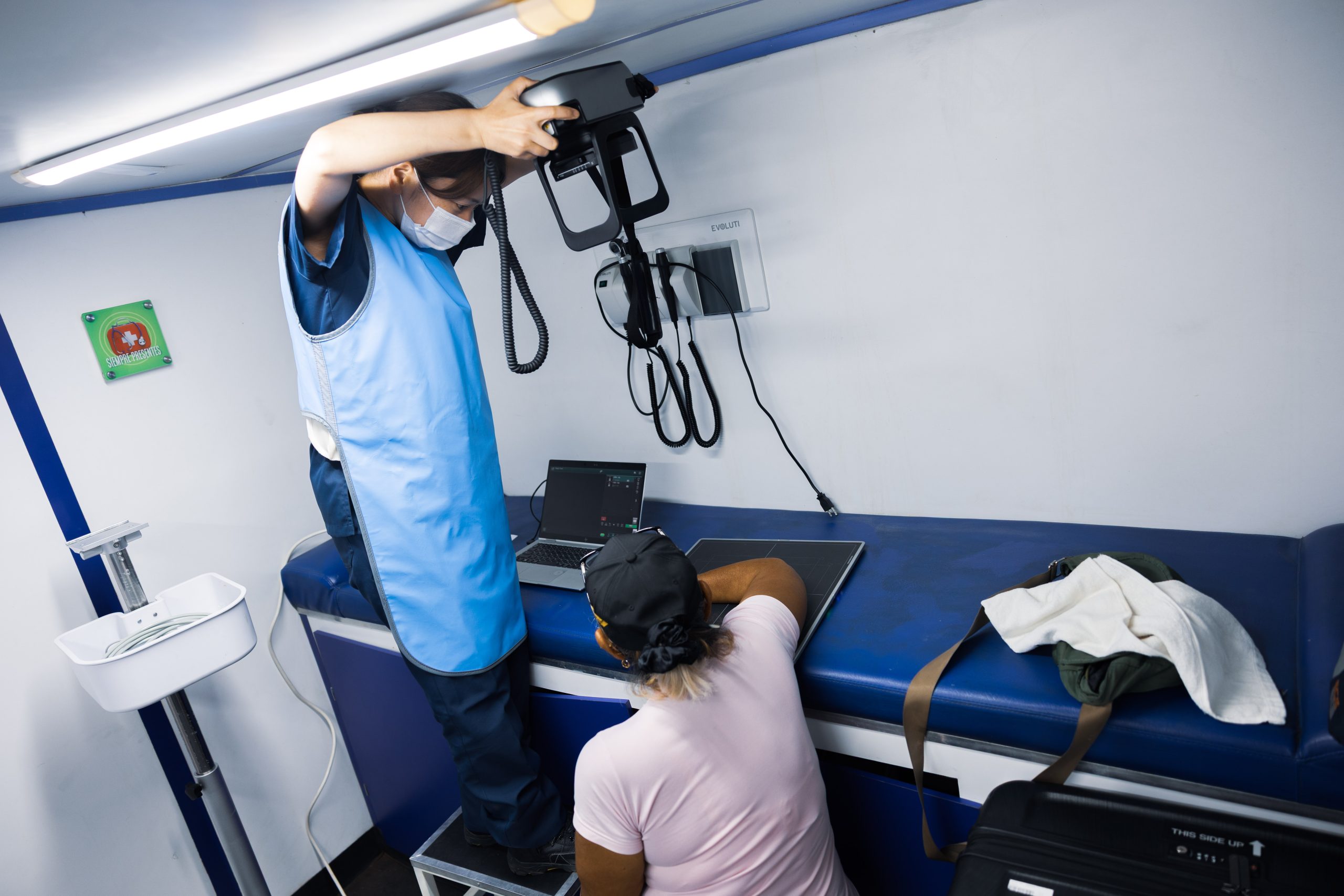
More than just being uncomfortable, the conditions in La Guaira are adding to health risks for survivors. Computers at the clinic frequently overheat and malfunction. X-rays are delayed. Blood glucose meters display heat-related error messages.
Despite this, the Peace Winds team manages to see dozens of patients each day, who wait in long lines for the clinic to open. Some arrive with disaster-related injuries, but many need care for chronic conditions that have worsened since the earthquakes. They dealt a devastating blow to Venezuela’s healthcare system, and many survivors have not been able to get their routine treatment or medications.
On the other hand, Dr. Mototaka Inaba, who had been leading the Peace Winds team, says that secondary conditions are becoming more and more common as a result of prolonged displacement.
“We are seeing a sharp increase in complaints of insomnia and skin problems under these harsh conditions,” says Dr. Inaba.
Many evacuees are living outdoors in crowded tent encampments with little access to clean water or proper sanitation.
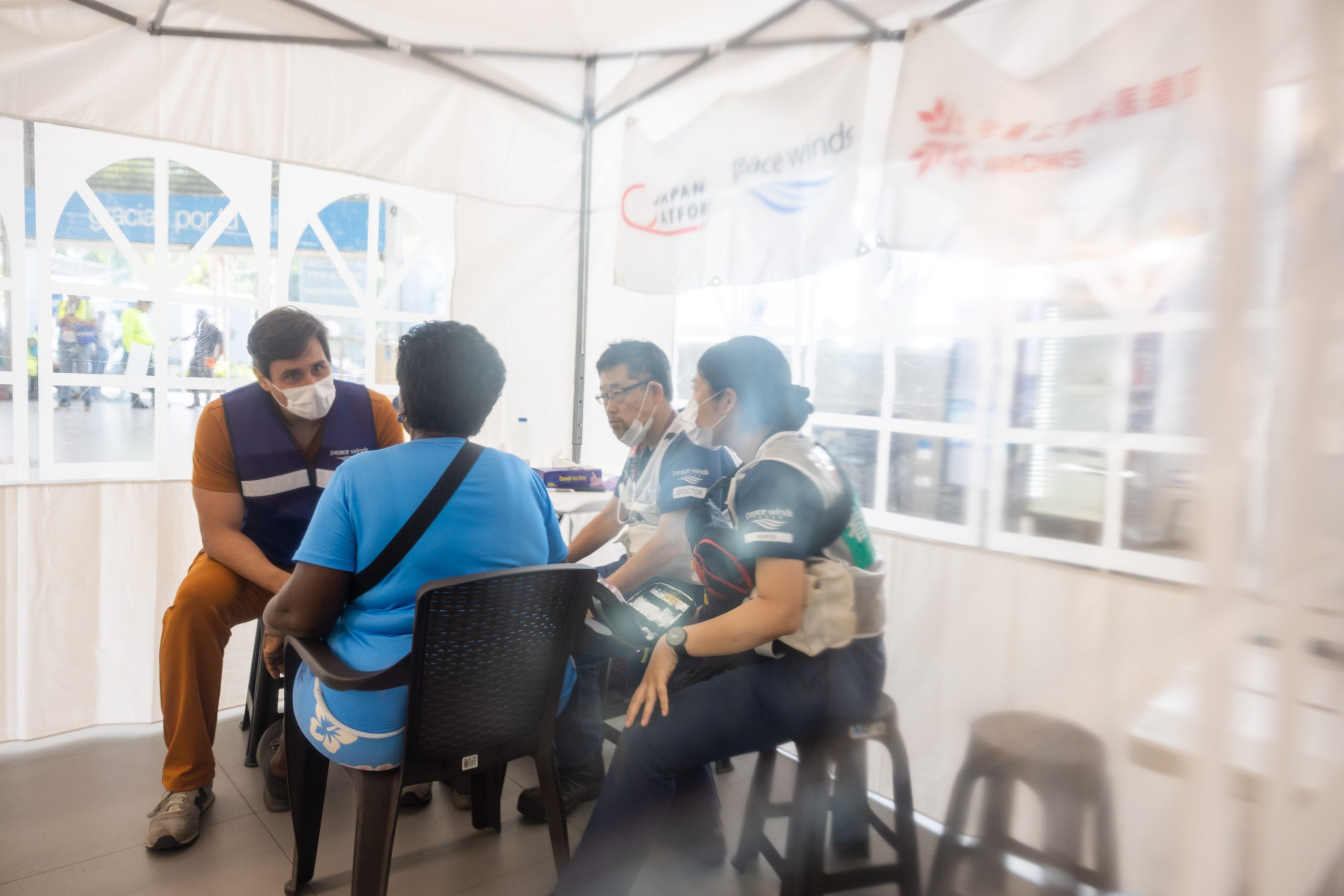
“We ourselves are sweating profusely [from the heat], but we can’t shower properly,” he says. “If people have to keep living like this–essentially sleeping on the street–it’s only natural that they will increasingly have pain and skin problems.”
In addition to monitoring concerns like these, Dr. Inaba says it’s important for providers like him to address patients’ emotional wounds, too.
“What we’re doing here isn’t advanced medical treatment like surgery,” he says. “If we’re thinking about just diagnosis and decision-making, there may come a day when even AI can do that.”
He says that the most important thing is to talk with patients about their experience. “Conveying your feelings with your eyes even if you can’t communicate verbally. It’s about listening to the patient’s story with the help of an interpreter, and sometimes shedding tears with them. It’s about being there for them and letting them know they aren’t alone.
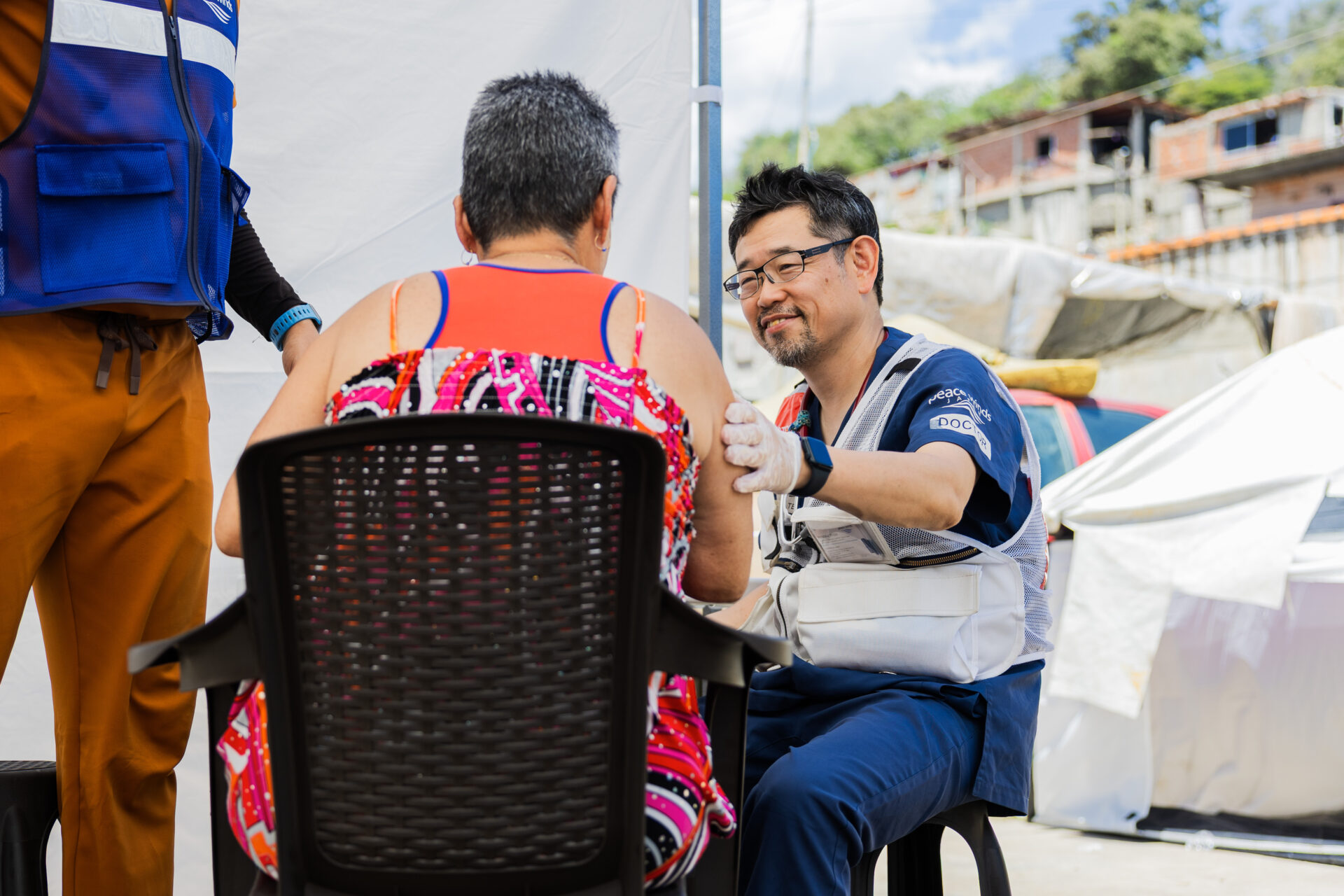
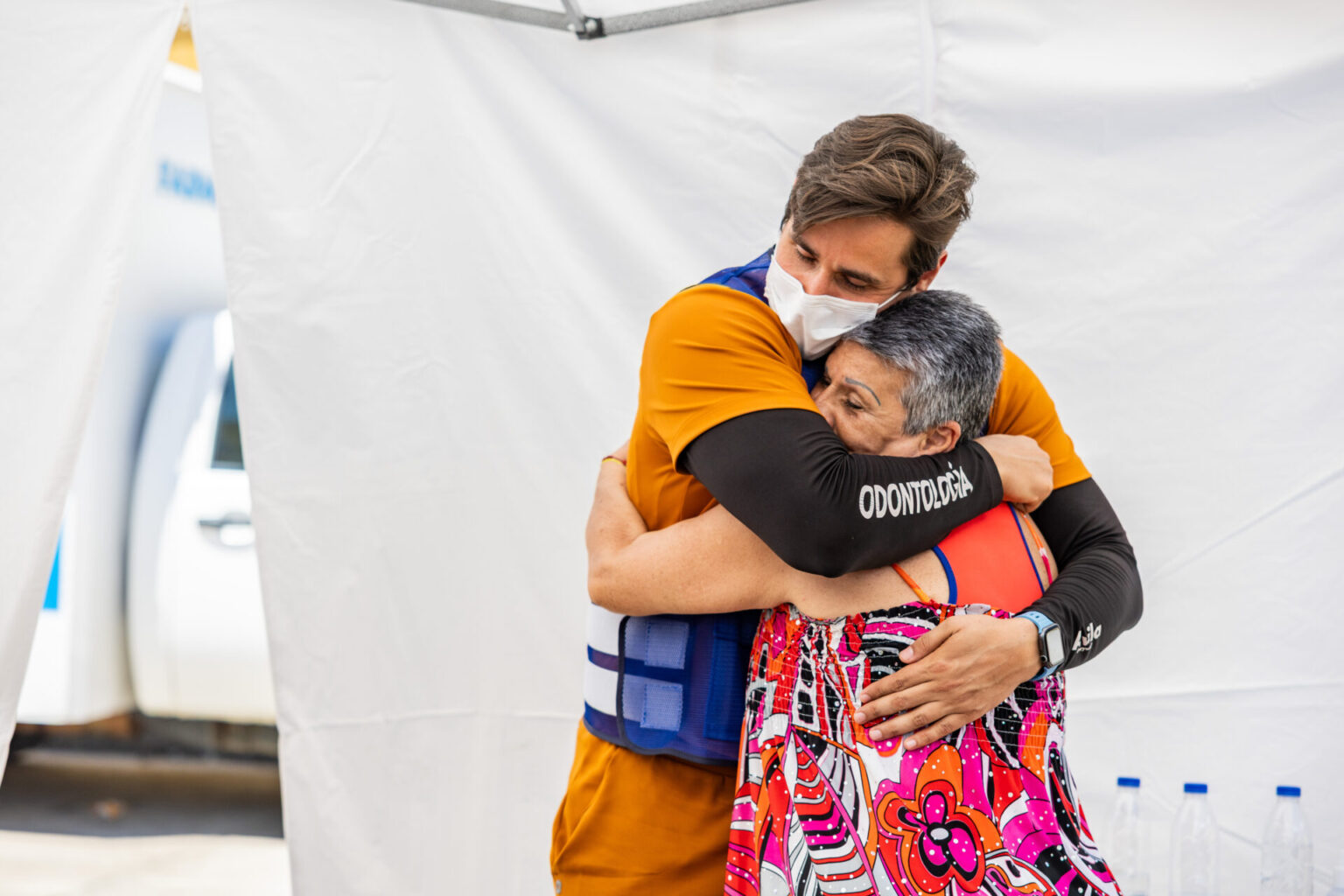
“I believe that encouraging survivors, making them feel glad that they came to our clinic, is a role that only we as fellow human beings can fulfill.”
Donations help Peace Winds continue to provide flexible support, both now and in the weeks and months ahead.