Meeting “Invisible” Needs for Kumamoto Earthquake Survivors
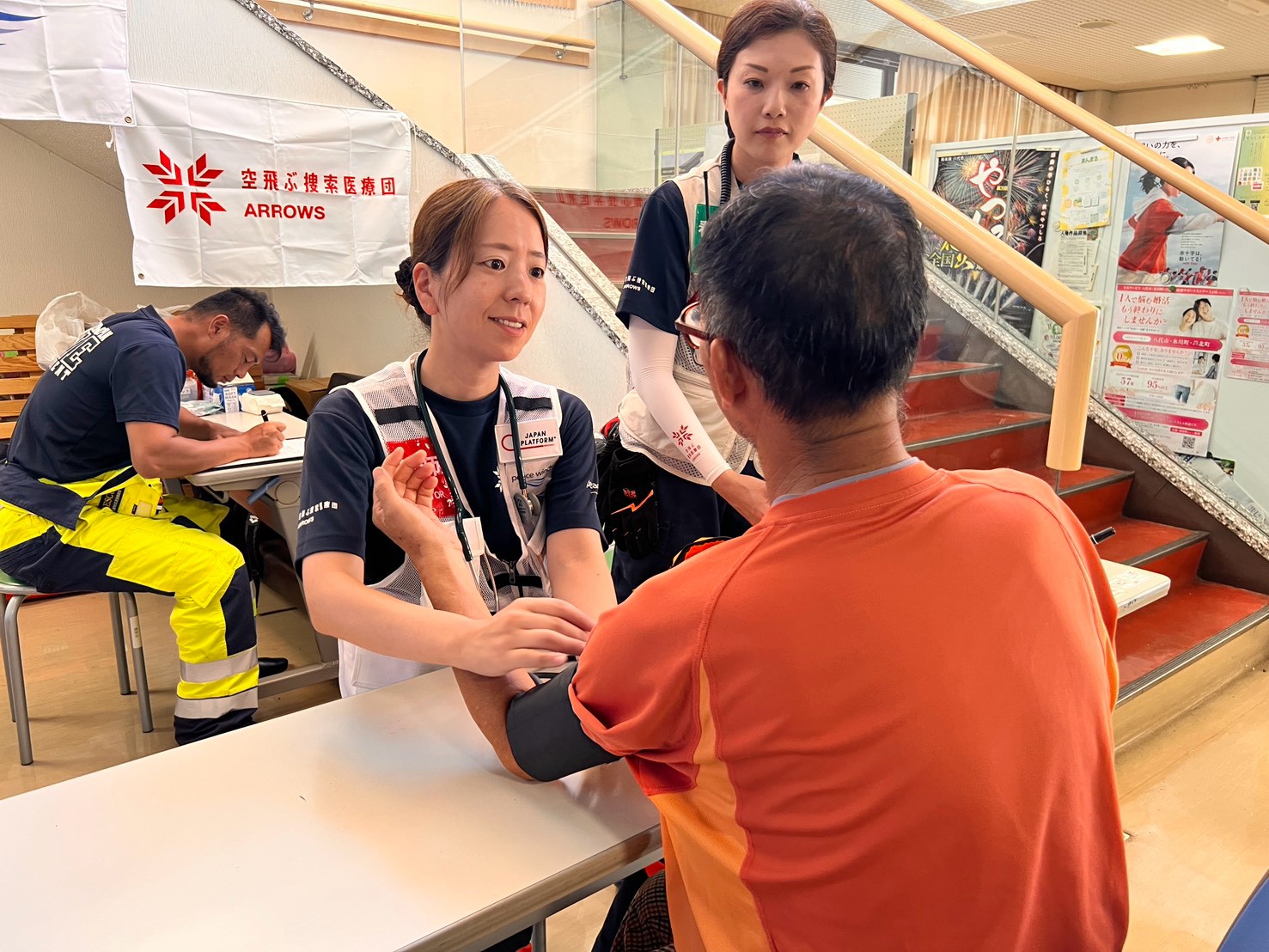
“In the history of disasters in Japan, there have been very few earthquakes in the middle of summer. It’s very different from the cold weather we had during the Noto Peninsula earthquake. There are unique needs and challenges we have to think about this time.”
Shoko Hashimoto is one of Peace Winds’ disaster responders who is providing relief on the ground in Kumamoto Prefecture after last week’s deadly earthquake. Humidity and extreme temperatures–sometimes exceeding 100°F–are making things difficult and even dangerous for survivors and workers like her.
So-called “invisible victims” are some of the most at-risk. These are people, often elderly, who are sheltering in their homes rather than at evacuation shelters. This makes physical or mental health complications more likely to go unnoticed and untreated.
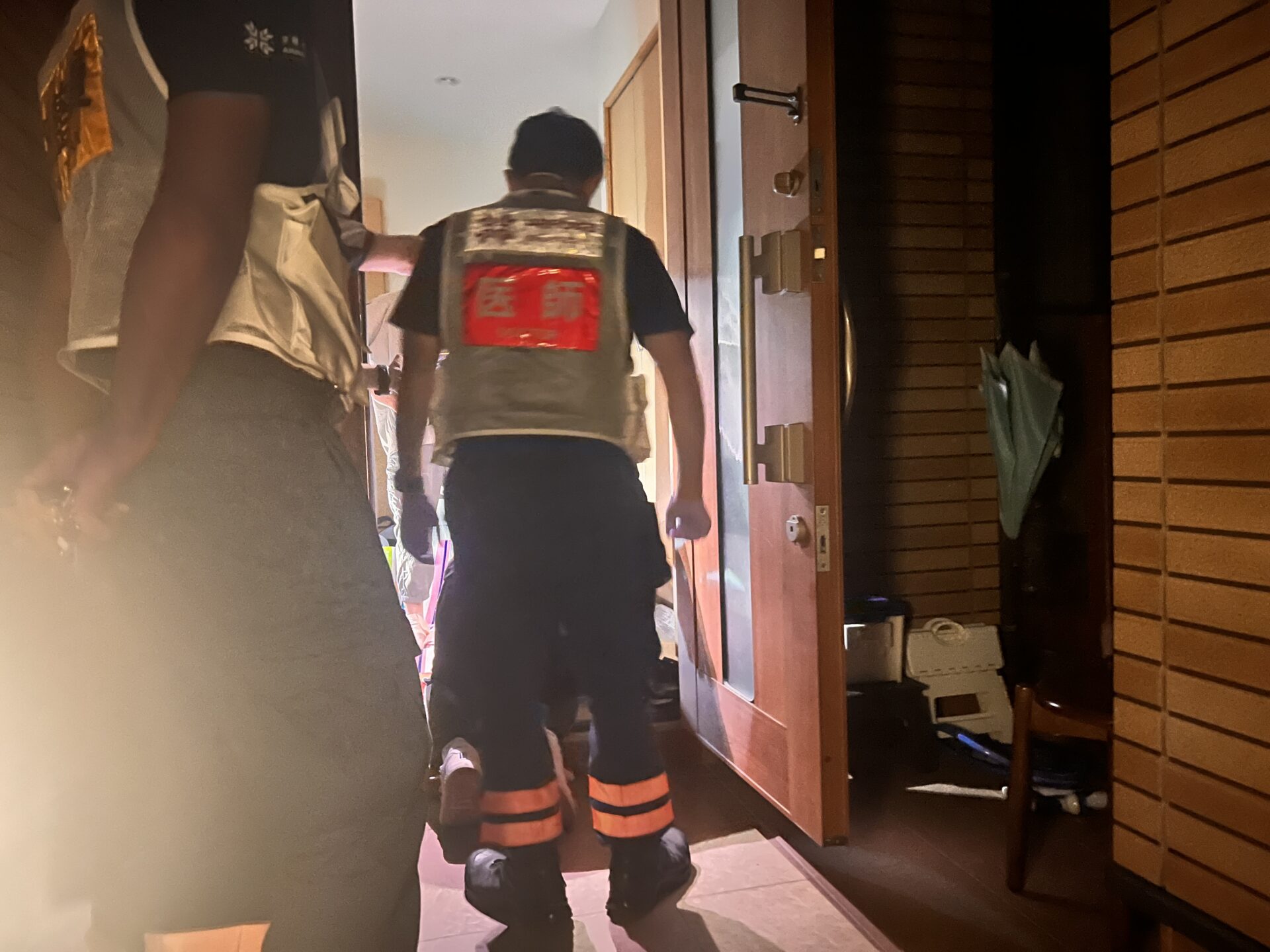
In one case last week, Peace Winds’ Dr. Mototaka Inaba received a call from Yatsushiro city officials about a survivor who was having an urgent health episode, so he accompanied them to the patient’s home. Fortunately, the person was able to converse and didn’t need to be transported to the hospital. But they had been staying in the relatively cool entryway of the home ever since the air conditioning and running water were cut off by earthquake damage.
Dr. Inaba says that many survivors he’s talked to are hesitant to leave their homes. Some of the schools and gymnasiums that are being used as shelters also do not have proper air conditioning or water, so people opt to stay in their damaged homes or sleep in their cars on their property.
Dr. Morita, another Peace Winds team member, hopes that she can soon help more patients like these. For now, she and her colleagues are setting up temporary clinics in evacuation centers. Some of the patients who arrived with injuries this weekend had not been able to get care at all since the earthquake struck last Tuesday. Others, especially the elderly, need care and medication for chronic conditions.
“But people arrive in need of many other things, too, like food, water, and even a bed,” says Dr. Morita. “When we provide medical care, we first identify all of a patient’s needs so that we can address them properly.”
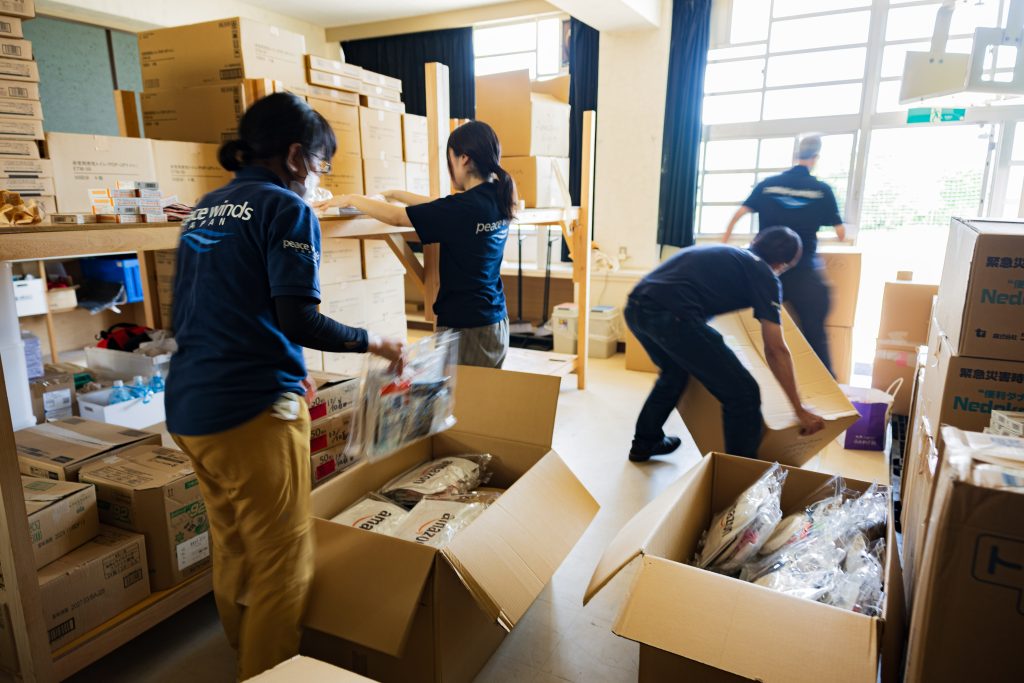
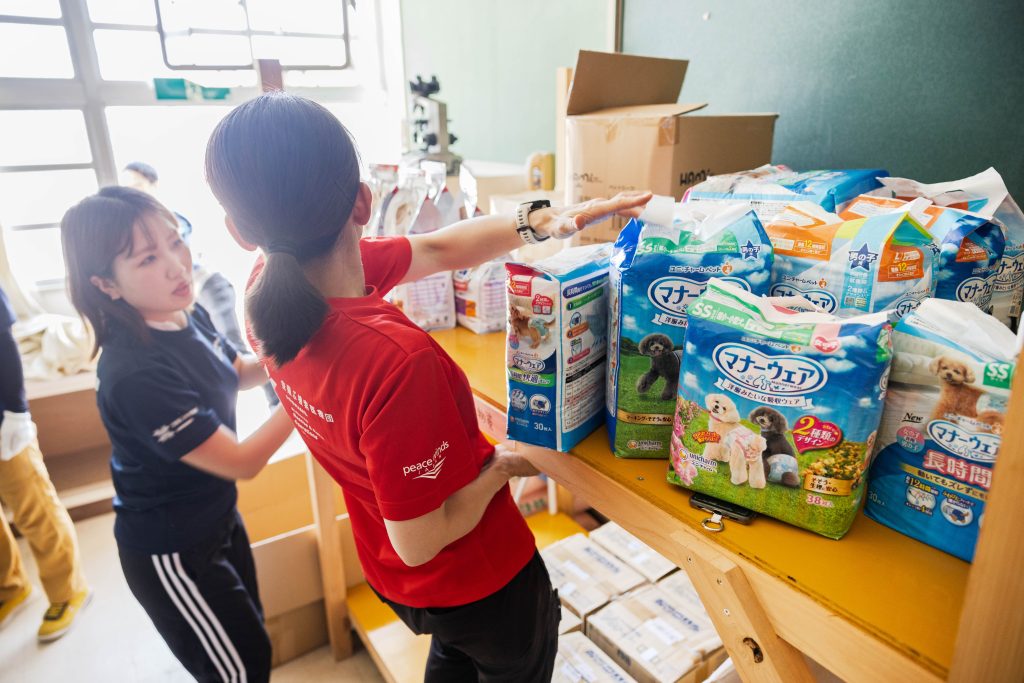
Another group of Peace Winds responders is delivering bottled water, cots, mattresses, hygiene items, pet supplies, and other emergency supplies at evacuation centers. They’ve also set up temporary bathing facilities at evacuation centers that pump water from a nearby swimming pool and purify it for bathing purposes. Some survivors had not been able to bathe since the earthquake, and relaxing in a fresh bath is a welcome relief for both hygiene and mental health.
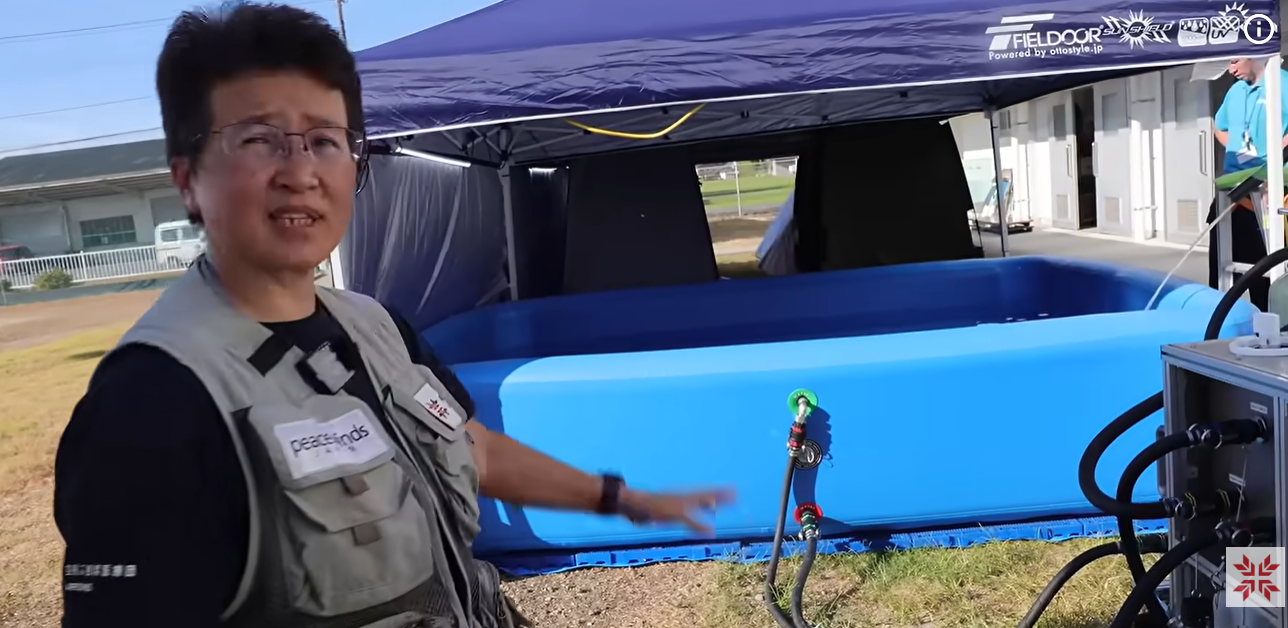
Watch a video about the bathing facilities here (Japanese only).
The needs in Kumamoto are great, and essential items are in short supply at many evacuation centers. Our work will continue to expand as the situation changes. Your donations allow us to provide flexible support for both emergency relief and long-term recovery.
Thank you so much to all of you who are helping make our work possible. We have been humbled by how many people have come together to support the Kumamoto community.