Local Festival Lights the Road to Suzu, Japan Earthquake Recovery
In July 2026, donations to the Project of the Month Club will support disaster relief, recovery, and preparedness in Japan. This includes earthquake recovery on the Noto Peninsula like health and wellness support for seniors, fun and educational programs for children, and community-building events for residents of all ages.
Tucked in the northeast corner of the Noto Peninsula is where you’ll find Suzu, a city with a pre-disaster population of roughly 10,000. What the city lacks in size it makes up for in vibrant culture. Though many people have moved away since the 2024 New Year’s Day earthquake, those who continue to call Suzu home–both natives and transplants alike–are working together to light the long and winding road to recovery.
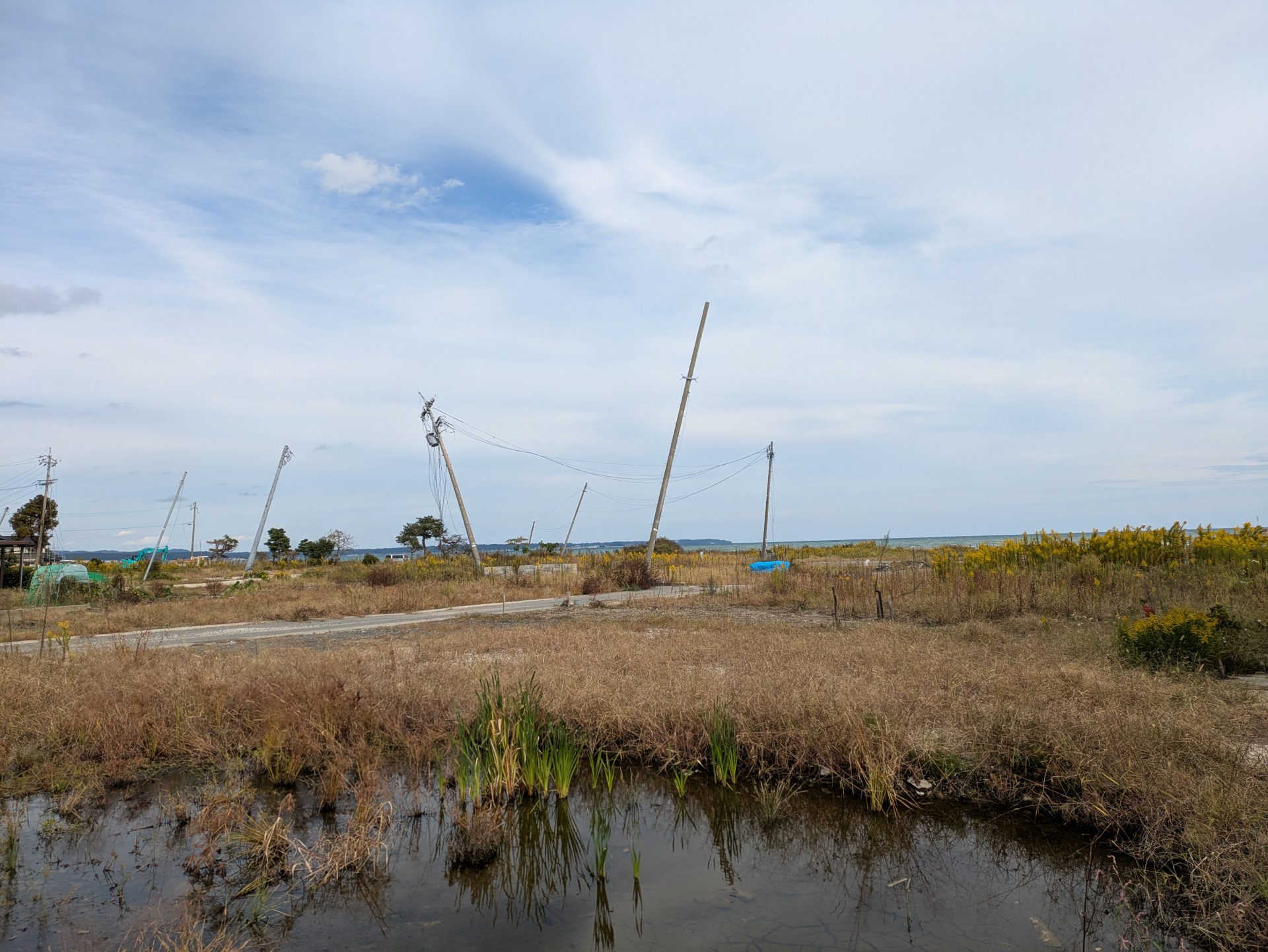
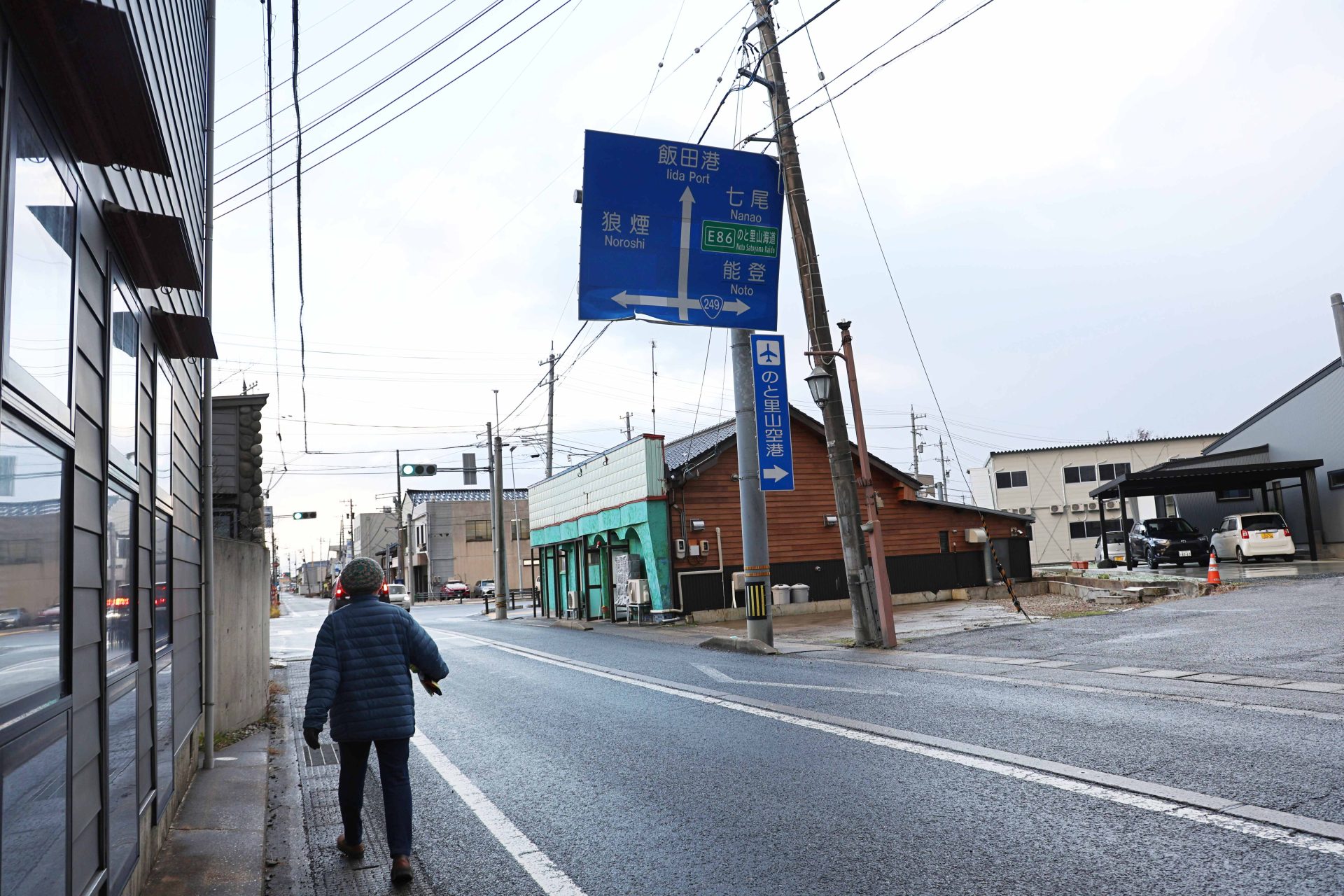
Two and a half years after the earthquake, scars of the disaster are still visible in crooked utility poles and landslides that appear frozen in time. Vacant lots abound in residential areas where demolition and debris removal is complete. At the same time, reconstruction of homes and infrastructure is progressing little by little. In many ways, Noto residents are transitioning from disaster recovery to community revival. Nowhere is this more apparent than in Suzu’s famous summer festival–the Iida Toroyama Matsuri.
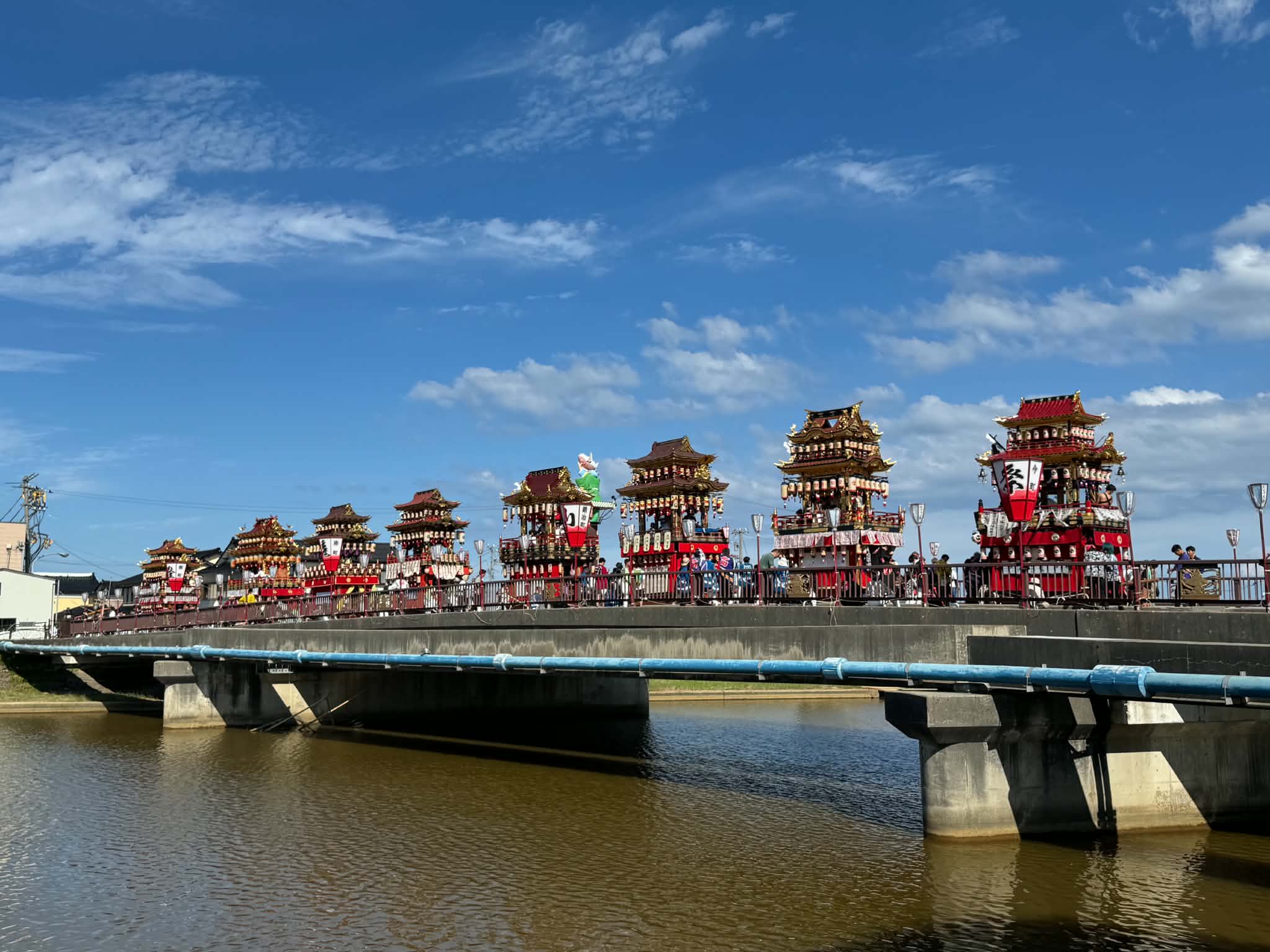
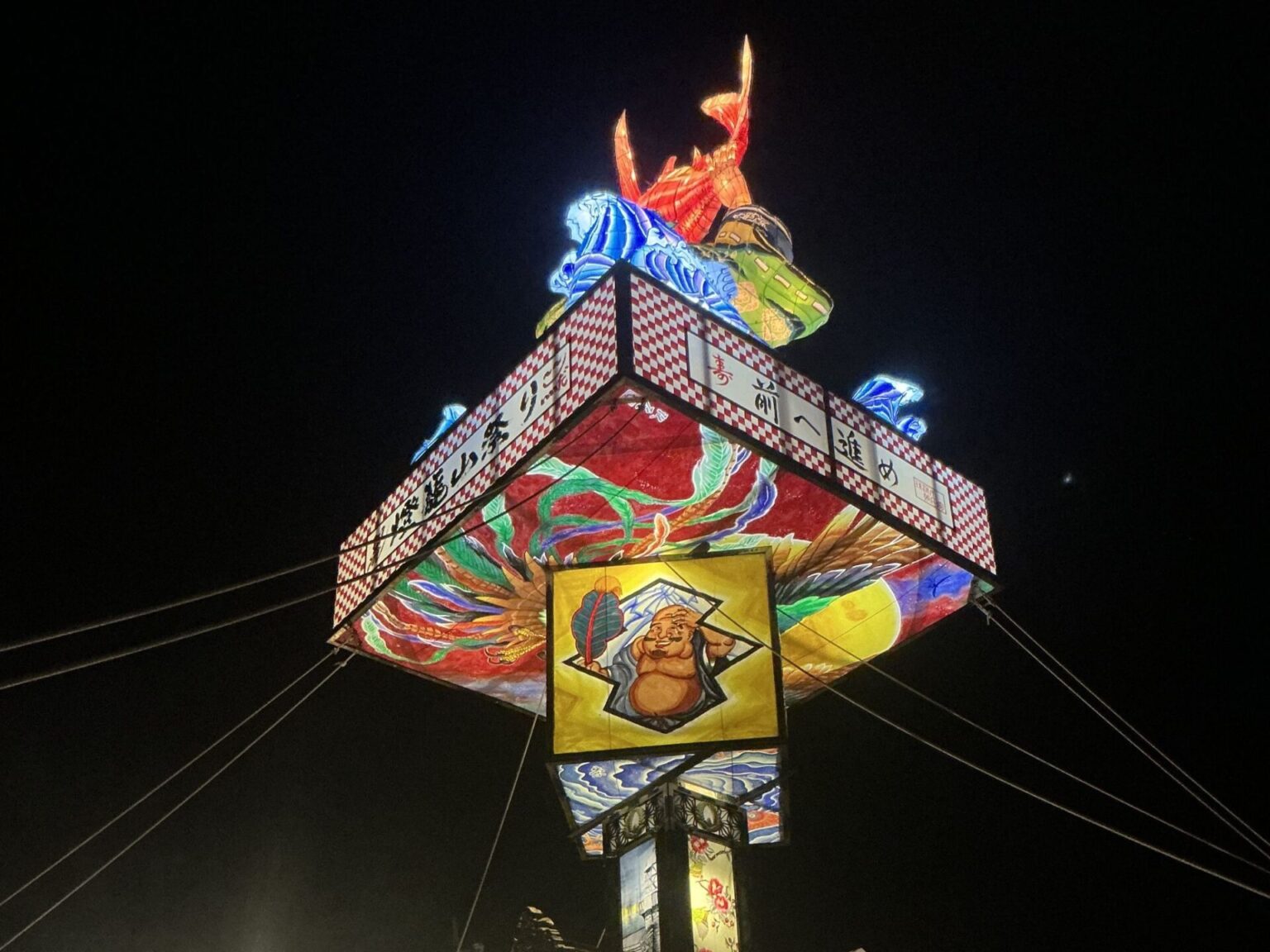
Held each year on July 20 and 21 in Iida, a town in the heart of Suzu, the festival and parade invite the gods of the local Kasuga Shrine to enjoy a cool evening in the city during the hottest part of the year. Though it has a more than 370 year history, the streets of Suzu were all too quiet in recent summers when the festivities had to be canceled. This includes the summer of 2024, about six months after the earthquake. But last year, residents lit up the streets once more.
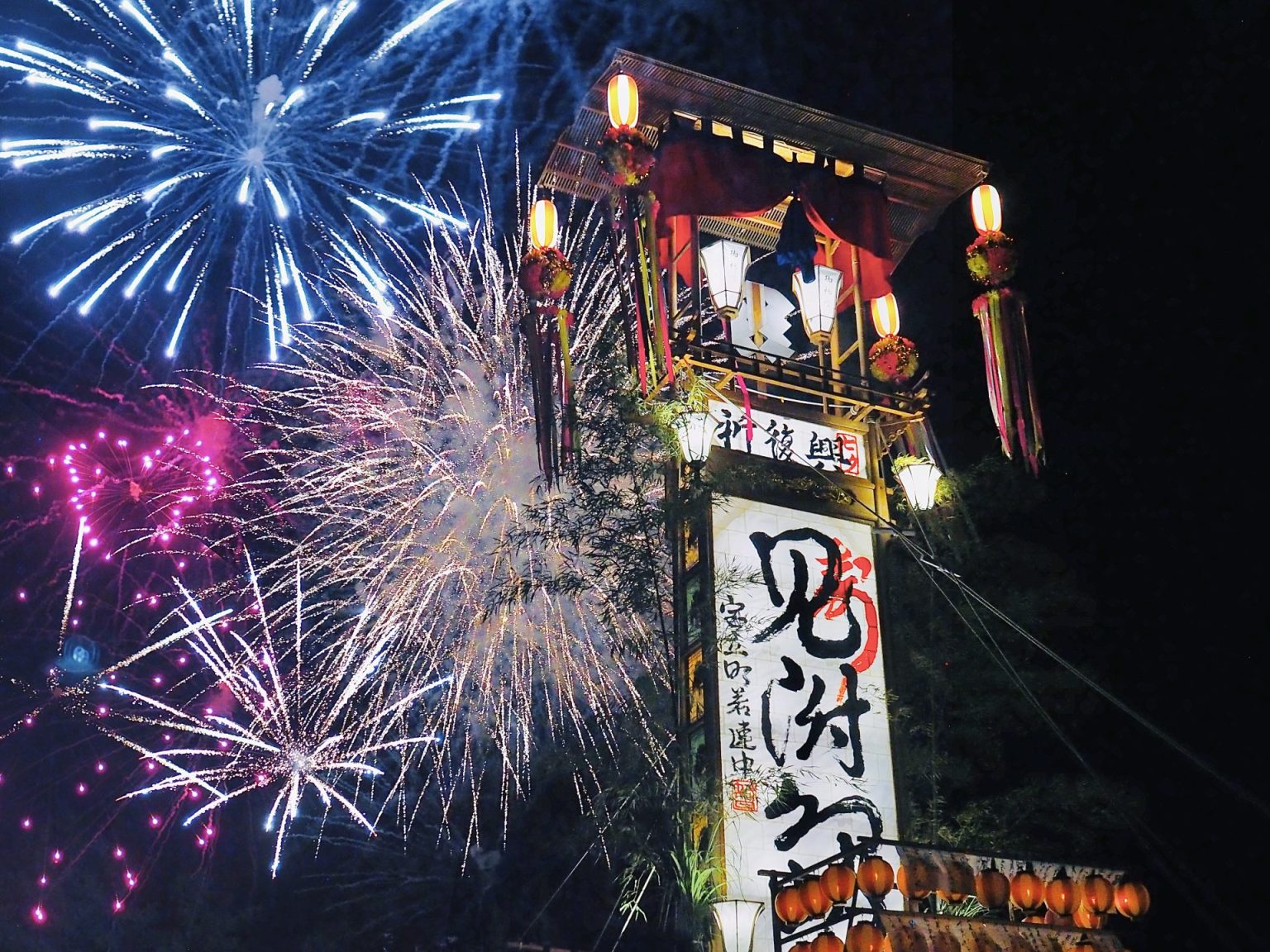
Iida Toroyama comes as a glimmer of hope for many, including Shoko Hashimoto, who is leading recovery efforts from the Peace Winds office in Suzu.
“To be honest, until around June, I was worried about what would happen next,” Shoko said about the recovery progress in 2025.
“But seeing the summer festivals opened my eyes. The Iida Toroyama Festival in July, the Takoshima Autumn Festival in September, the Shōin Autumn Festival, and the Jike Autumn Festival with the largest kiriko (lantern) float in Japan–seeing their vibrancy, I felt like I was witnessing the true strength of Suzu.”
Iida is made up of eight neighborhoods, and each has its own float in the Iida Toroyama procession. Leading the gods is the Toroyama float. It’s one of the largest in Japan–about 52 feet tall and weighing up to five and a half tons. The float is handmade by Suzu residents every few years. Peace Winds staff visited the workshop recently to find volunteers busy stretching, sewing, and painting cloth atop the float’s wire frame.
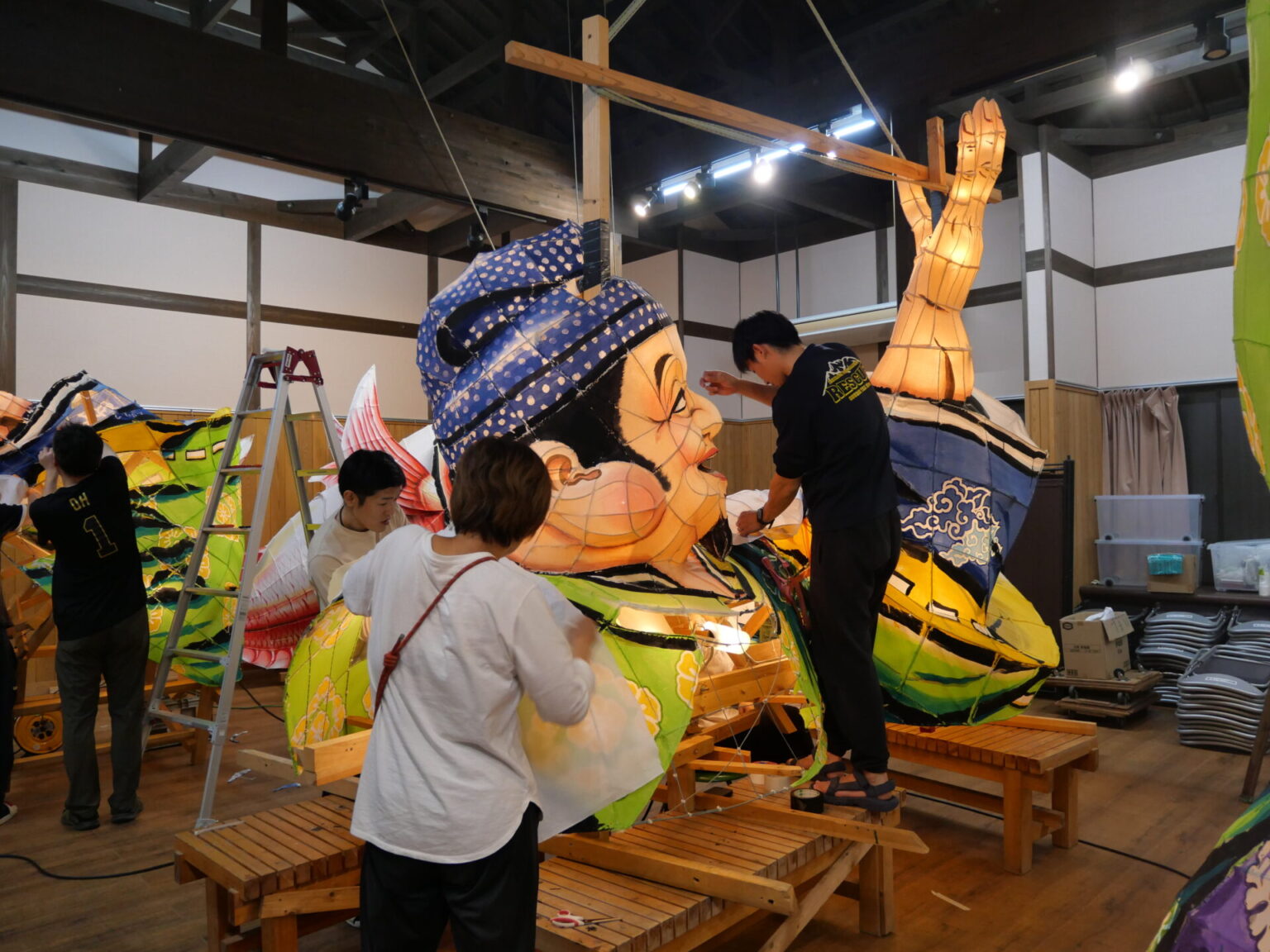
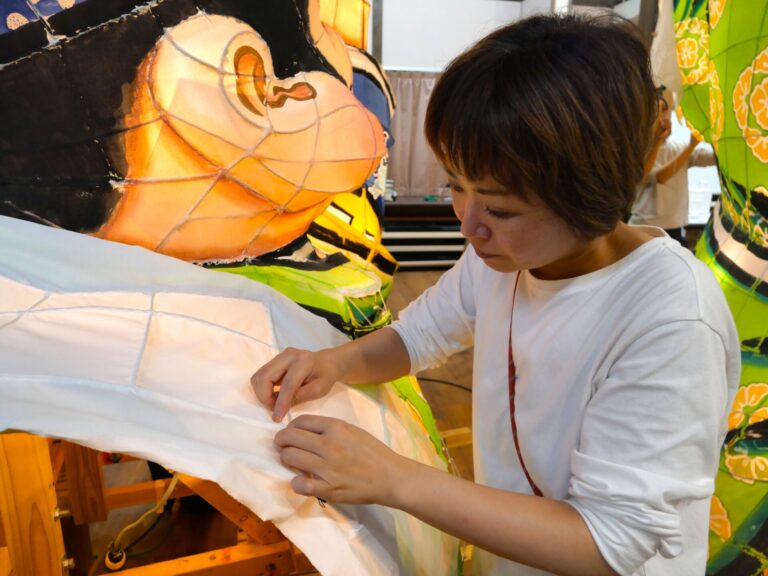
“The festival is what makes the connection between the eight neighborhoods so strong,” said Iida native Hiroki Shintoku. “That proved invaluable during the earthquake.”
Hiroki has been leading post-disaster volunteer efforts in Suzu since 2023. Now he heads aid for earthquake survivors at the Suzu Support Center. He explained that after the earthquake, Iida residents evacuated to Iida Elementary School where they decided to divide themselves into their eight neighborhoods within the temporary shelter.
“Because of this, we were able to quickly and smoothly create and manage a list of evacuees,” he said. “I believe this was a benefit of the connections we had through the local festival.
“This festival is the centerpiece of our year. Many people say that they don’t come home [to Suzu] for New Year’s, but they always come back for this. It’s truly something that everyone creates together. As part of the organizing committee, I’m truly grateful that so many people are involved in it.”
This includes Suzu’s youngest residents. Iida Elementary School has since returned to its function as a school, and students are helping with festival preparations by painting red and white decorations that adorn the main hall.
Currently, about half the students at the school are children who moved to Suzu in the last two and a half years. This is somewhat surprising given that Suzu’s population, and especially the number of young people, has steadily decreased by nearly 20 percent since the earthquake. Funds to continue the festival are running low, but volunteers like Hiroki are desperately trying to pass the baton to future generations. He is determined not to let the community’s connections die out.
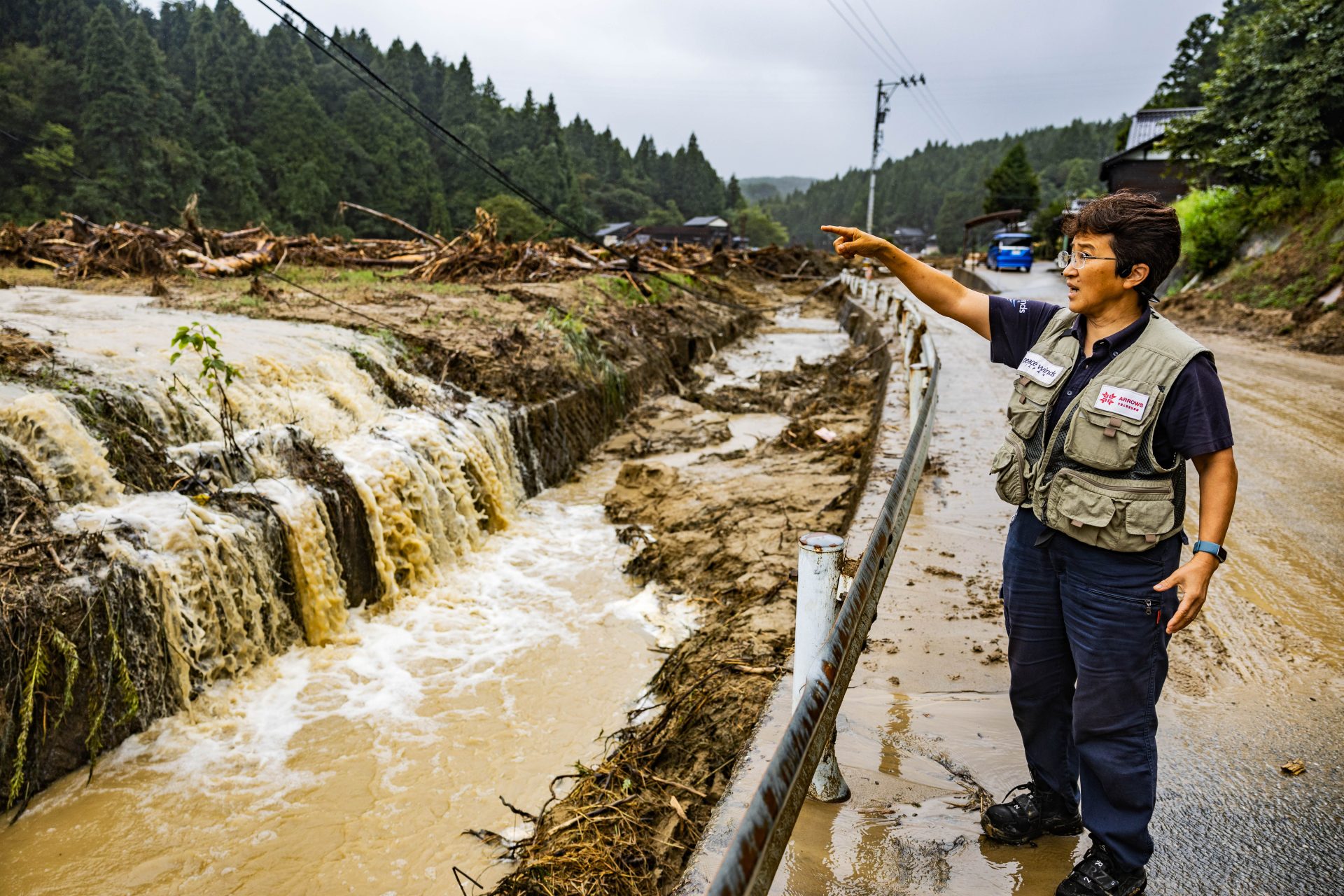
Shoko shared similar feelings after witnessing the festivals last year.
“I felt the strong determination to preserve the culture of this land. That is the choice of the people who live here, and it would be presumptuous of me to worry about it. So I intend to continue to provide support–just enough to give a gentle push from behind.”
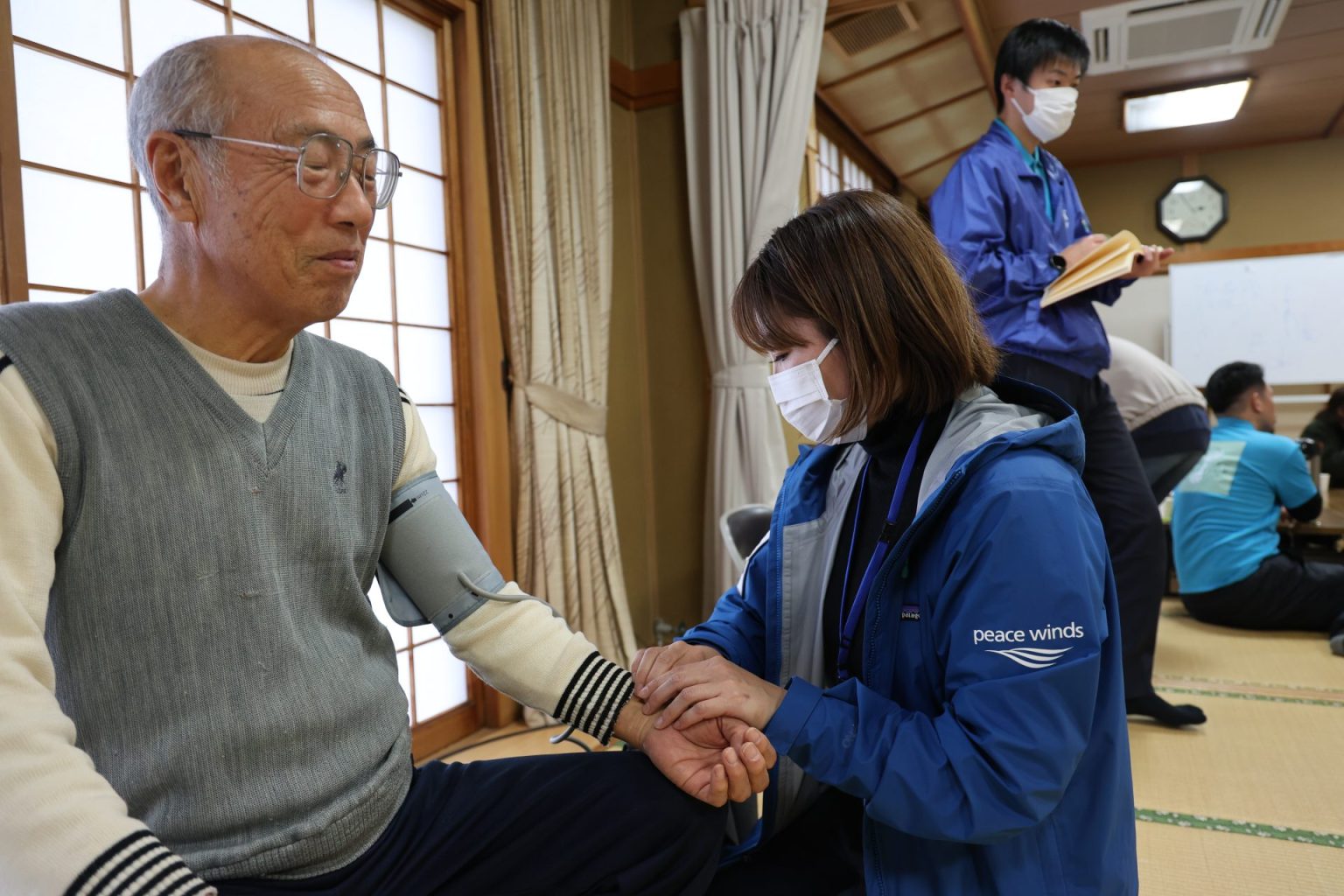
The type of activities that Shoko and her Peace Winds colleagues are running has evolved over the last two and a half years. The team continues to offer health classes and consultations. These are especially focused on supporting the elderly, whose physical and mental health are particularly vulnerable after the disaster.
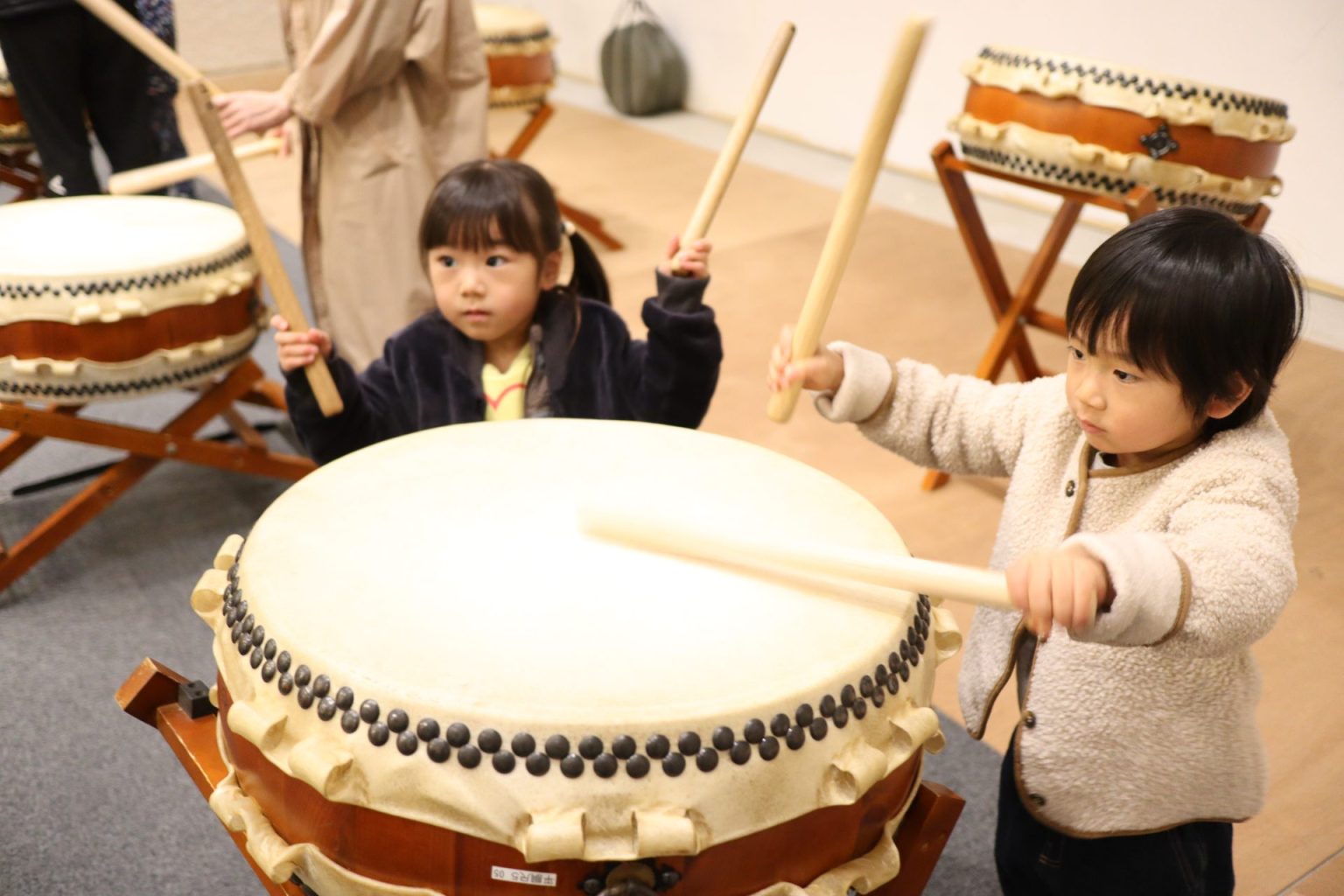
Peace Winds also runs a “Children’s Plaza,” one of the only play areas for children in Suzu. It boasts everything from toys, games, and jungle gyms to science classes, creative events, and outdoor field trips.
Another Peace Winds staff member and experienced disaster professional working in Suzu sees this phase of recovery as the most uniquely challenging. As she continues her work, she recalls the words of someone she met at a disaster site where she was once stationed for several years:
“‘Recovery is not about achieving a specific goal or producing visible results. It’s about standing by the other person, simply as a quiet neighbor, and remaining committed to them until the day they return to their everyday life, and I, the aid worker, am eventually forgotten.’”