August Project of the Month: Staying Committed to Kumamoto
In August 2026, donations to the Project of the Month Club will support Peace Winds’ disaster response work in Japan. This includes emergency relief and long-term recovery after last week’s earthquake in Kumamoto Prefecture.
Click the button below to become a monthly supporter, and your donation will travel to a different community around the world in need each month. You’ll help families affected by disasters and crises access psychosocial and grief care, get back on their feet through livelihood opportunities, safeguard basic rights like clean water, and much more. We’ll send an update each month to let you know how you’re making a difference.
Or, if you’d like to donate to relief in Kumamoto just this once, click here to make a one-time donation. Every bit makes a difference, no matter the size.
We want to extend our heartfelt gratitude to you for donating, sending thoughtful notes, starting your own fundraisers, and sharing our work with your friends and family over the past couple of weeks. We already know how wonderful the US-Japan community is, but we have been blown away by how you’ve come together to support Kumamoto after this tragedy. It means so much to all of us in Japan, the US, and around the world.
So far, your donations have helped our response teams:
Conduct search-and-rescue. Beginning at 2 a.m. the day of the disaster, Peace Winds rescuers and search dogs supported local police and fire teams in searching the rubble of places like the partially-collapsed Aeon Mall. Heartbreakingly, all who were recovered after the initial hours were confirmed dead.
Provide medical care at local hospitals. Meanwhile, another Peace Winds team responded to a request for help from Kumamoto General Hospital. Providers had been working tirelessly to care for an influx of patients with new injuries as well as those who were already receiving treatment. Water and power outages–including to elevators and air conditiong–made matters worse. And critically and chronically ill patients in need of treatment like dialysis needed to be transported to other hospitals.
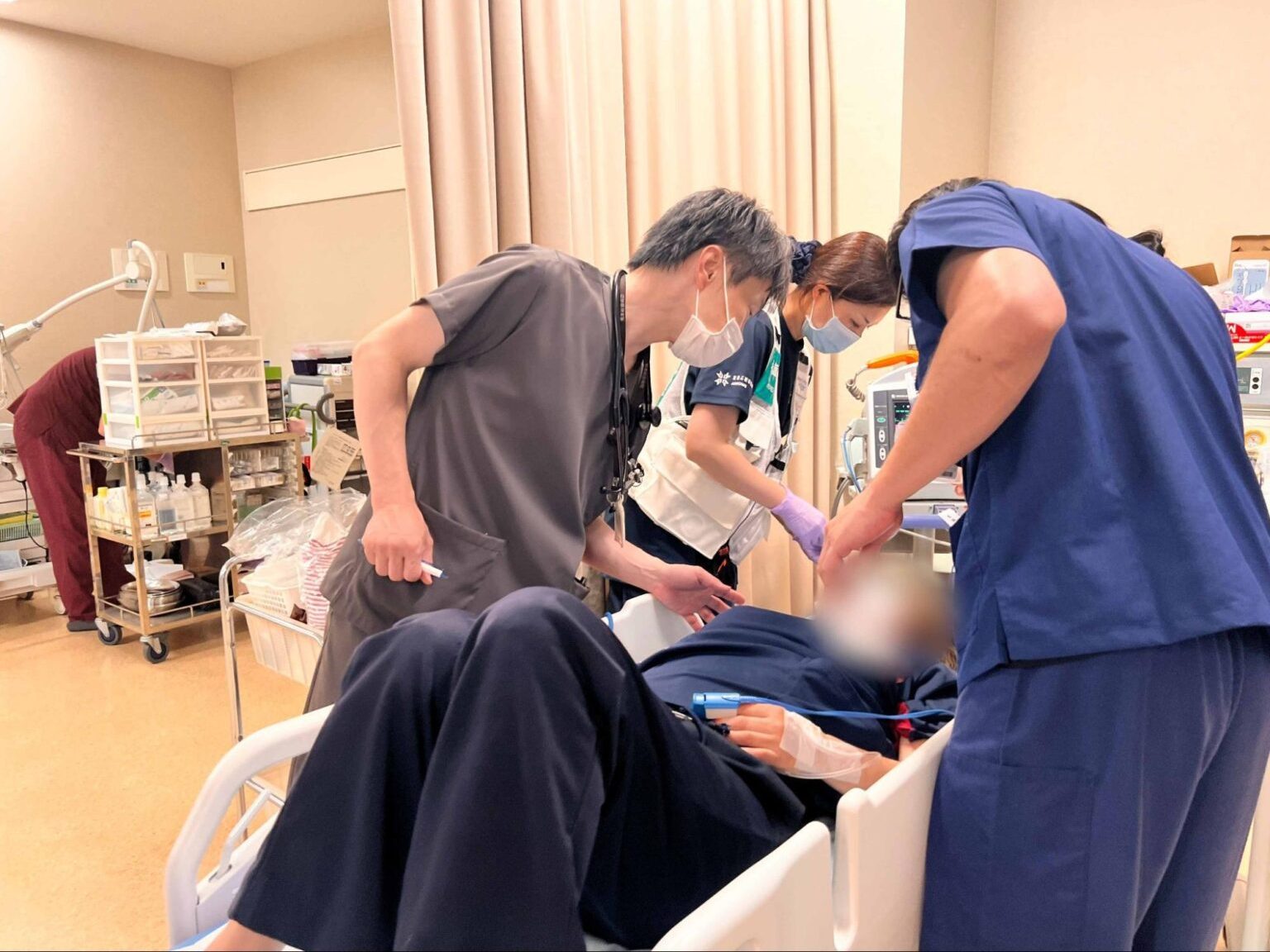
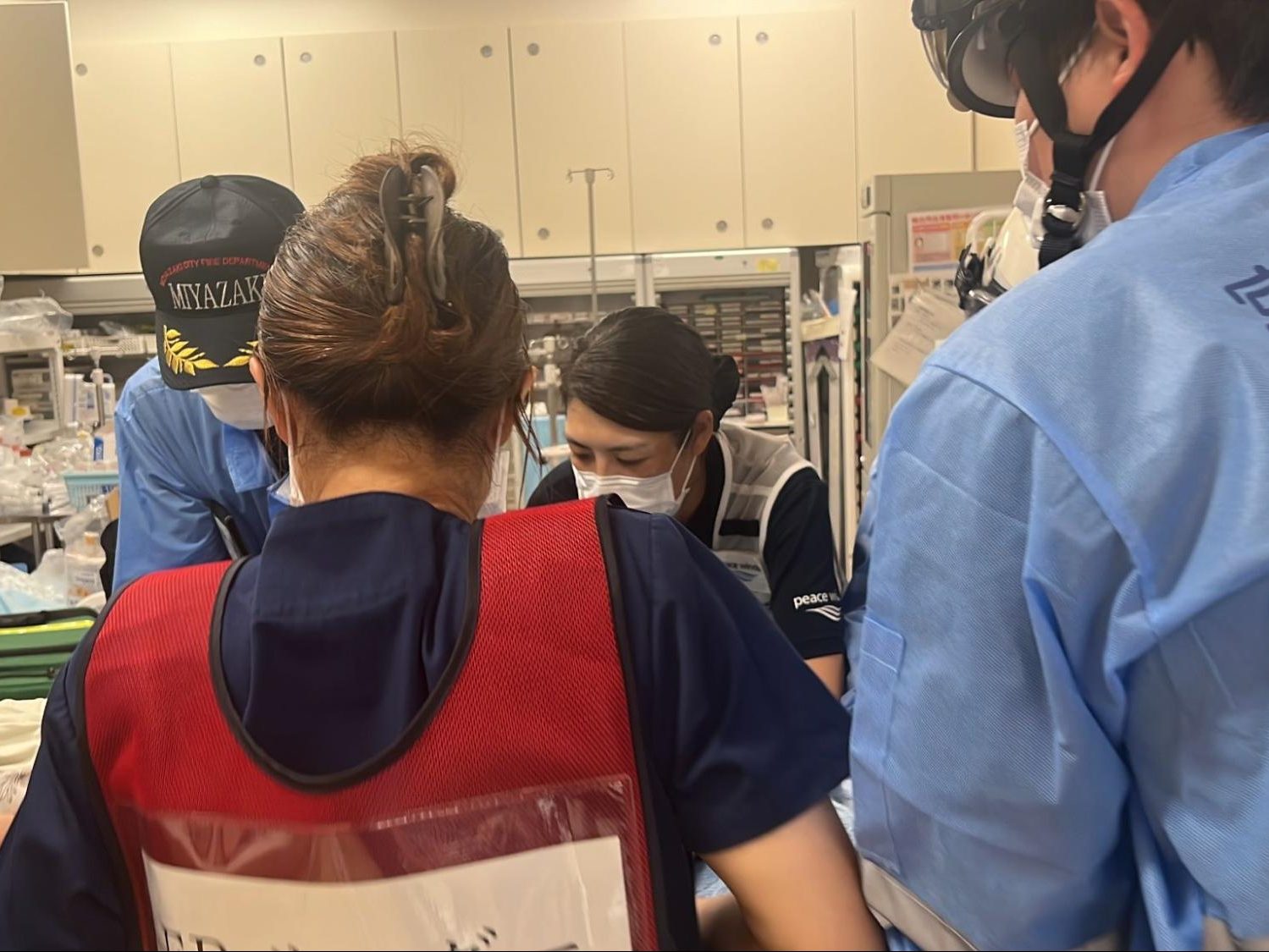
A Peace Winds doctor and two nurses stepped in to help the overstretched hospital staff. They worked alongside the emergency team to assess and treat patients, determine whether and how they should be transported, and coordinate transfers via helicopter and other means. In coordination with the local fire department and the governmental Disaster Medical Assistance Team, Peace Winds streamlined the process and helped about 30 patients get to another hospital where they could get the best care.
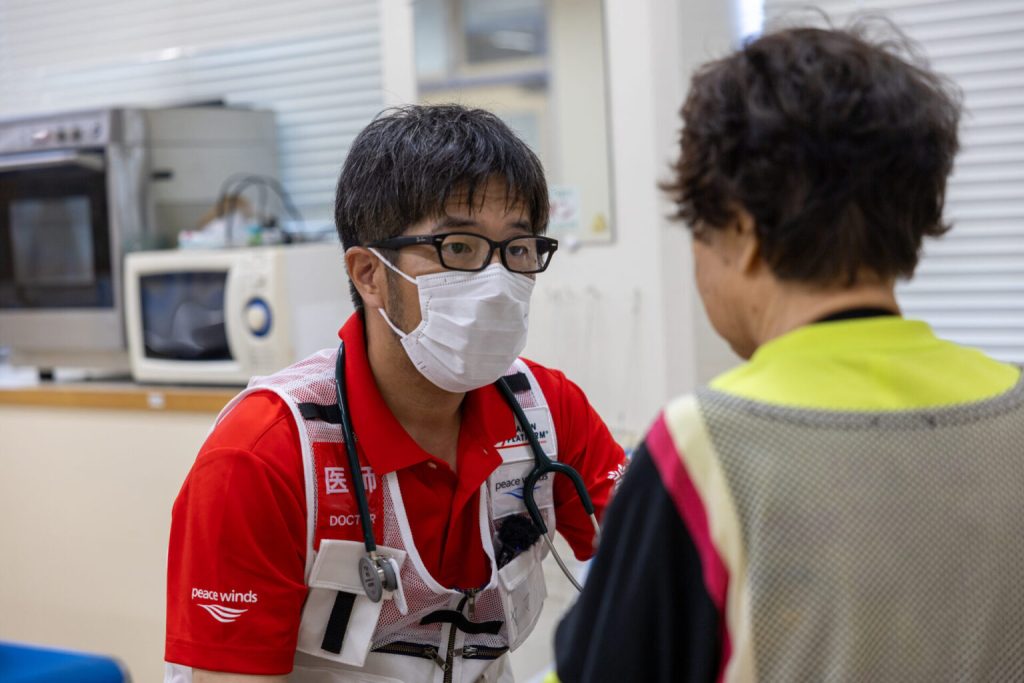
Provide health care at evacuation centers. Peace Winds is also running temporary clinics at evacuation centers. In addition to earthquake-related injuries, many patients need care for long-term conditions or help refilling medications they had to leave behind.
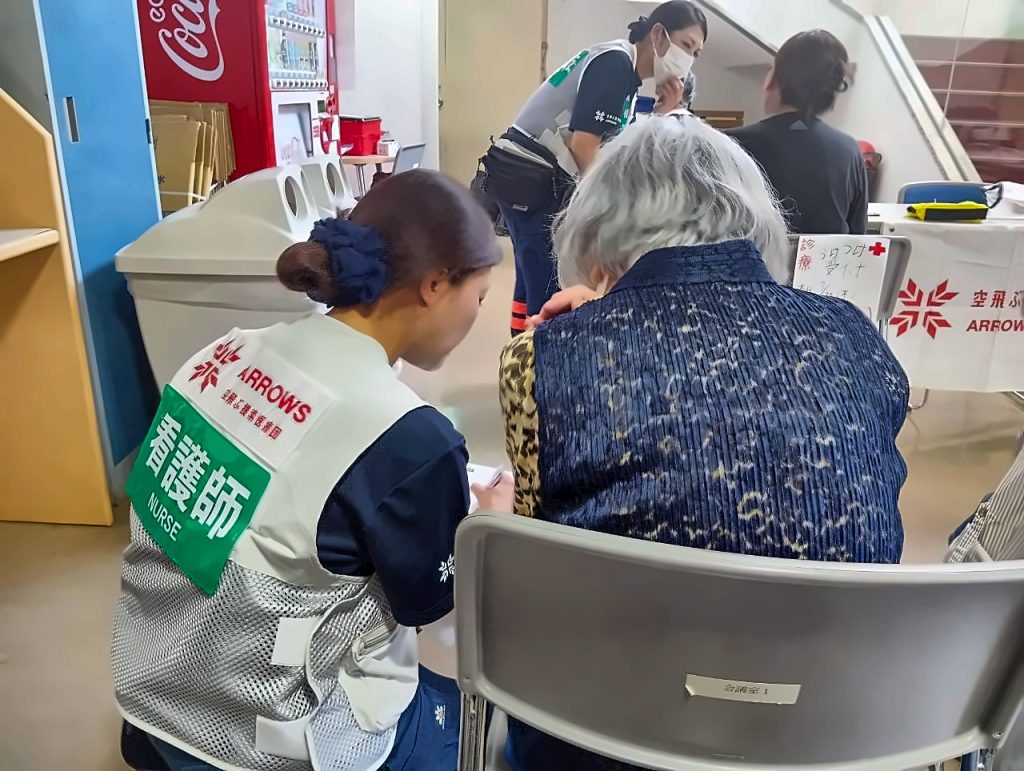
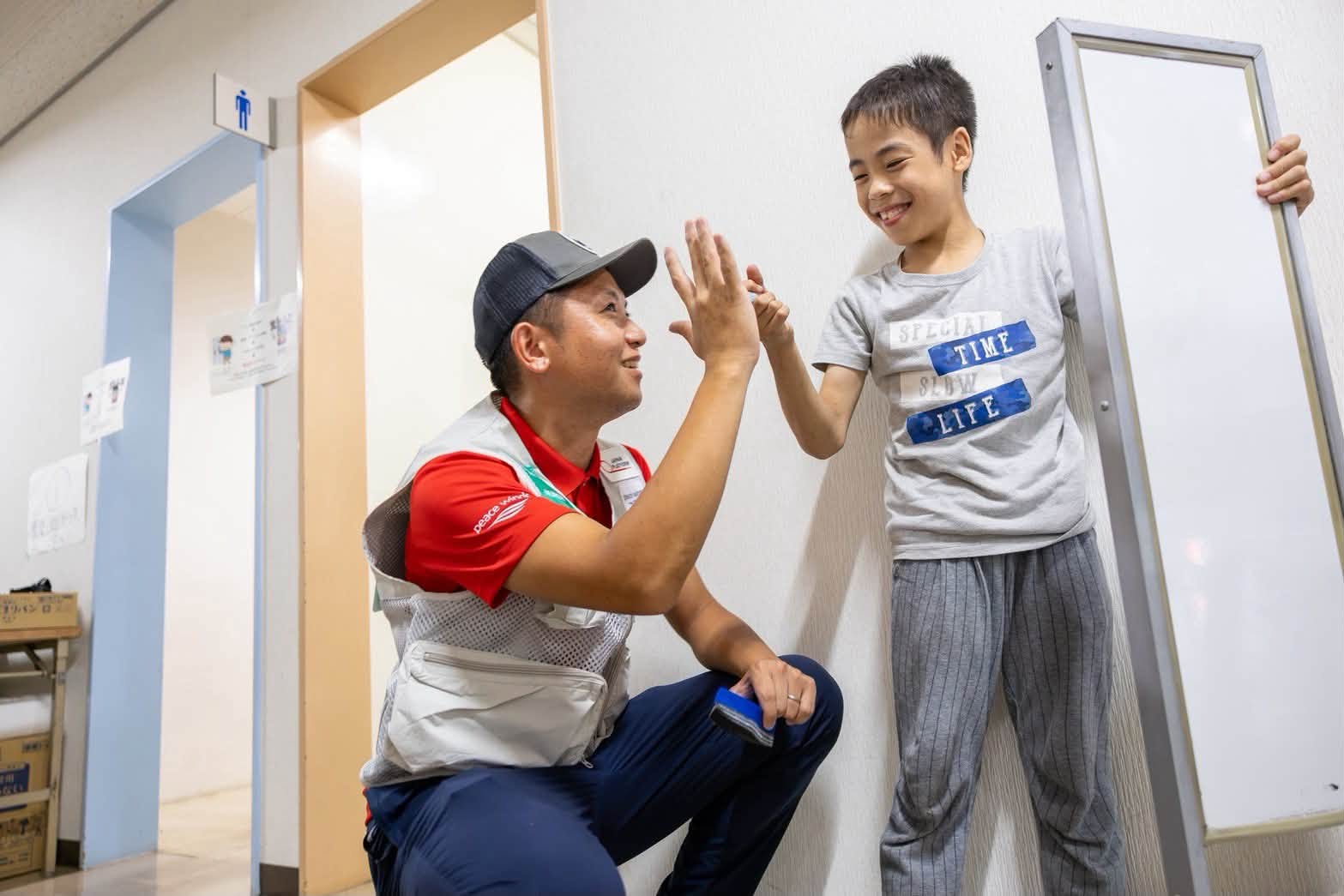
Support evacuation centers. Peace Winds is working with evacuation centers to ensure that survivors have what they need after evacuating their homes. Our staff have provided beds and bedding; set up partitions to create private spaces, such as for individual families and for women; and provided emergency supplies like hygiene kits, baby and pet supplies, and drinking water. Our teams have also set up temporary bathing facilities, which are a relief for evacuees who have been unable to bathe since the earthquake.
Support “invisible” groups. Many people are choosing to cope with the water and power outages in their damaged homes rather than move into crowded evacuation shelters. However, this can be dangerous, especially for elderly and disabled individuals. Physical and mental health changes are more likely to go unnoticed, and extreme heat in Kumamoto has already caused health complications and one death since the earthquake. So Peace Winds’ medical team is checking on survivors in their homes. Our nurses have also worked with 10 assisted living facilities to provide elderly and disabled residents with portable toilets, clean water, and hot meals.
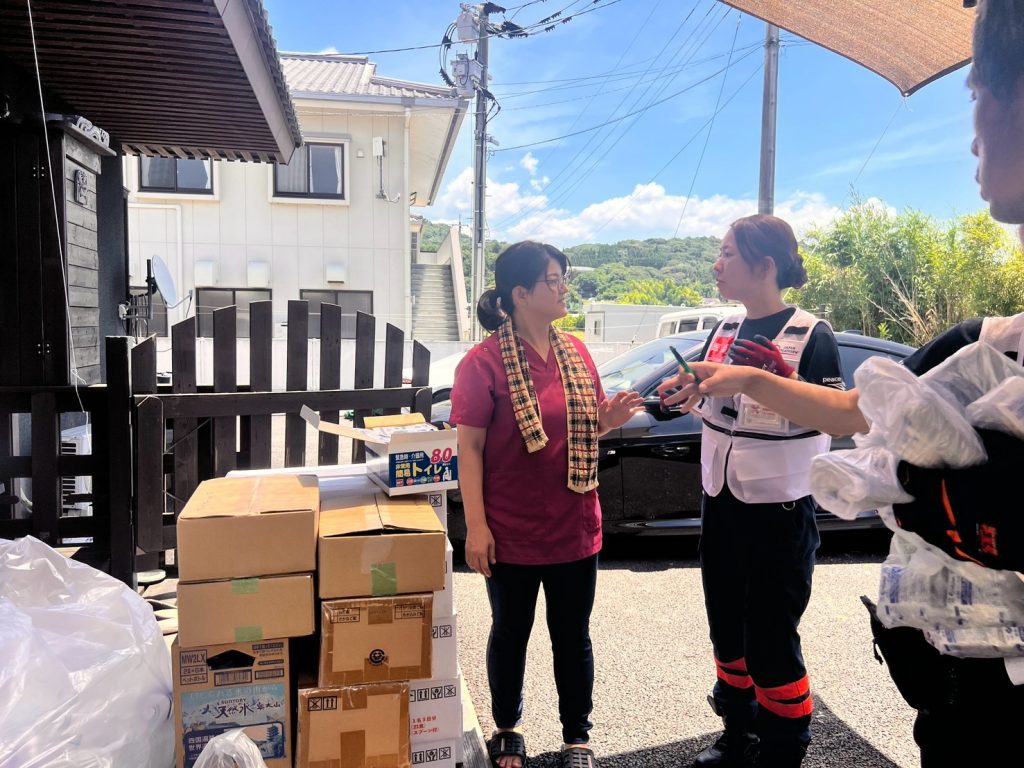
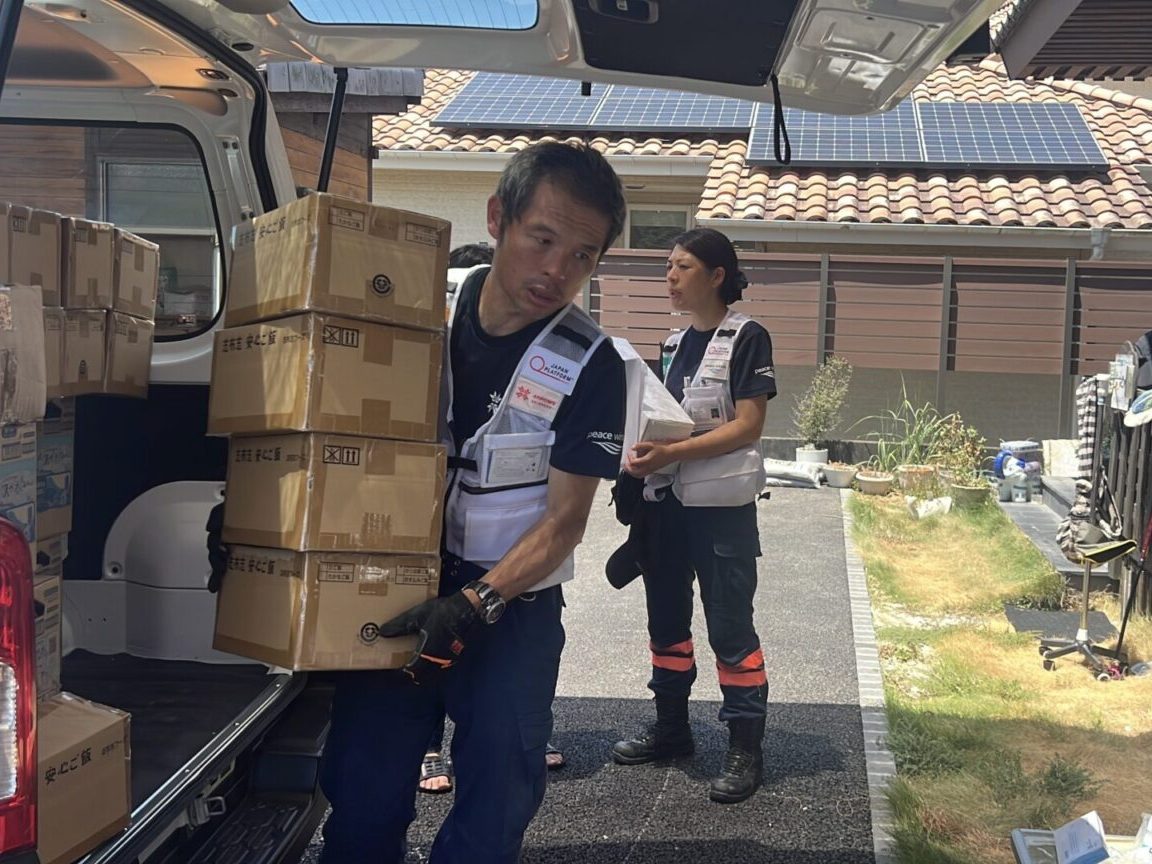
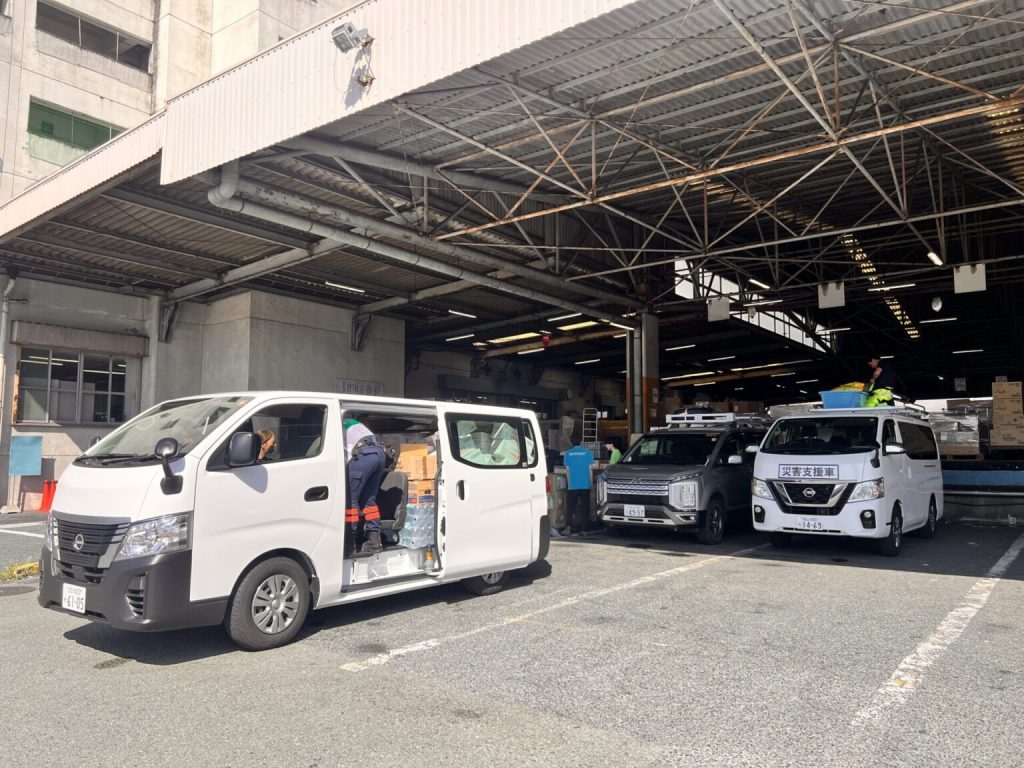
Go the “last mile” to deliver relief items. The “last mile problem” often occurs after disasters when vast amounts of relief supplies sit waiting in warehouses, failing to reach the people who truly need them. To prevent this in Kumamoto, Peace Winds has partnered with a logistics company to create a new process. It is consolidating items and streamlining transportation so they can get into the hands of survivors quickly.
Looking Forward
Although the news cycle has already moved on, so much more is still needed in Kumamoto, and a long road to recovery lays ahead. Peace Winds will continue to support survivors through all of these. Current and future needs include:
- Sanitation and hygiene. Water is still cut off in many areas. This leaves survivors without the ability to bathe or shower, increasing the risk of skin problems and other health concerns.
- Shelter and healthcare. Many evacuees will be unable to return to their homes for months or even years. They will need long-term housing and medical care for chronic conditions.
- Psychosocial and grief care. Survivors have experienced immense trauma, and they will need opportunities to process this with mental health professionals and other community members. Casual social events also help prevent feelings of loneliness and isolation, especially for displaced seniors.
- Pet-friendly support. Oftentimes, evacuation centers cannot accommodate pets, forcing families to make difficult decisions about where to go and whether to be separated from companion animals. There is a need for pet-friendly spaces as well as food and other pet supplies.
Your support will allow us to bridge some of these gaps while remaining flexible as needs change in the coming weeks and months.