Reflections from Venezuela and Continuing Support from Near and Far
It’s hard to believe that more than six weeks have passed since two powerful earthquakes struck outside of Caracas. Although the headlines have largely faded, the needs have not. Survivors are only just beginning to face the long road that follows a disaster, and Peace Winds remains committed to walking alongside them.
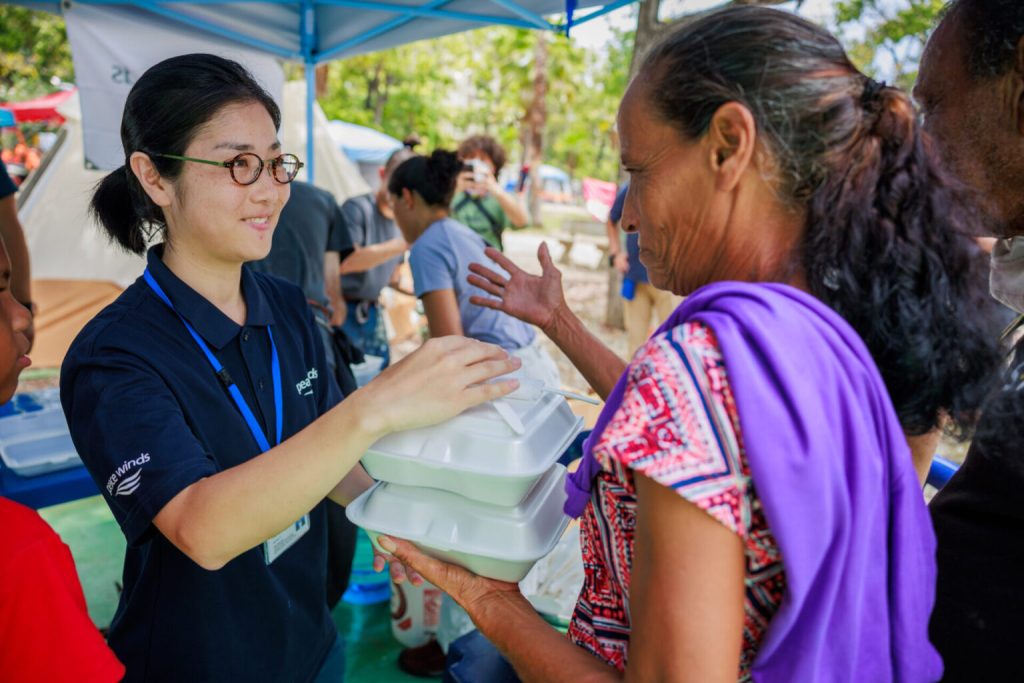
Immediately after the earthquakes, our ARROWS medical and emergency responders deployed from Japan. They arrived within 72 hours and quickly began to get clean water, hot meals, and emergency supplies to families sheltering in tents outdoors. Shortly afterward, our doctors, nurses, and others were able to establish field clinics where they provided survivors with desperately-needed care for injuries as well as chronic health conditions.
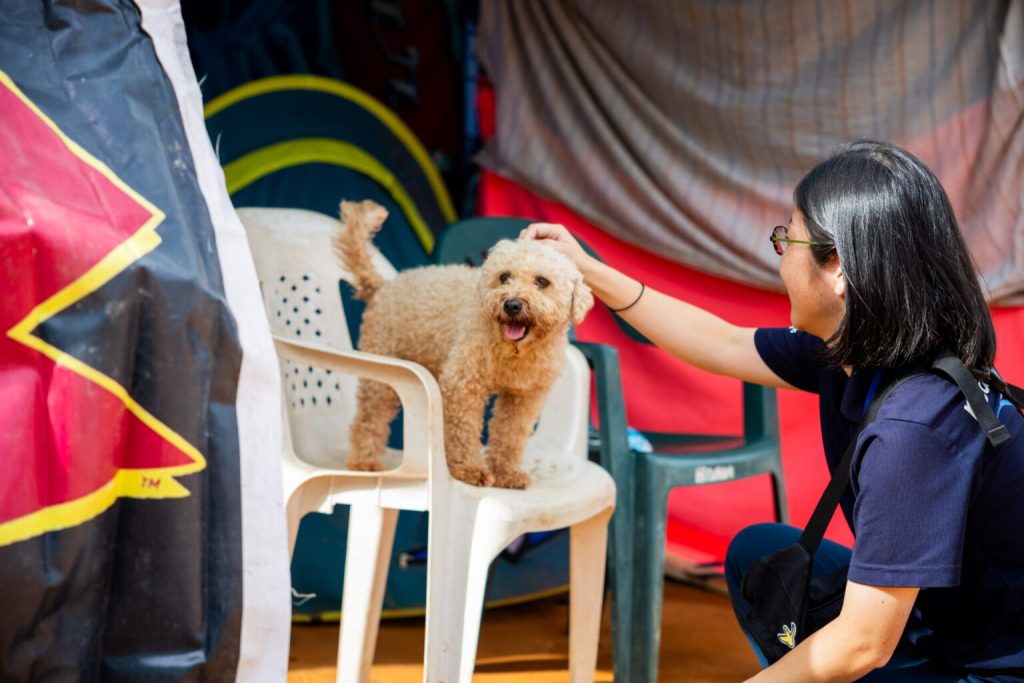
While the field clinic has now been handed over to a local partner, our work is far from over. Peace Winds continues to provide evacuees with emergency supplies, and over the next several months, our work will expand to encompass broader community recovery. We will focus on helping survivors get psychosocial care to process the immense trauma they’ve experienced; serving hot meals in partnership with area restaurants (which helps local businesses recover); and supporting families with pets while caring for pets who have lost or been separated from their families.
Hazuki is one of the Peace Winds staff members who led relief efforts in the initial days. She reflects on her time in Venezuela below and reminds us of the people we impact when we choose to help, even from so far away.
–
Arriving in Venezuela
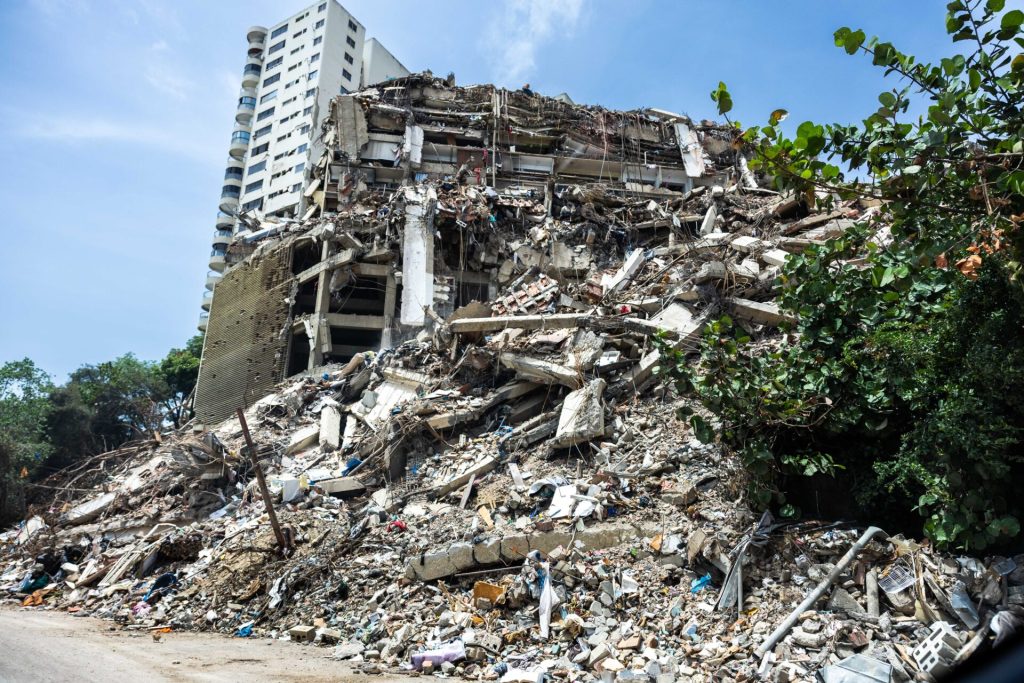
I arrived in the disaster zone on July 1 where I spearheaded support for evacuation centers and distribution of relief supplies. I have been deployed in many disaster zones, but the sheer scale of devastation and magnitude of relief efforts [in Venezuela] were unlike anything I had ever experienced. It was truly overwhelming.
La Guaira was the hardest-hit area. I saw scenes of utter devastation everywhere, with entire streets where every single building had collapsed. They were crushed flat, destroyed in every conceivable way. It was a breathtaking sight, like a toy town that someone had trampled. There were bodies lying among the wreckage.
When I spoke to people there, I found that almost everyone had lost family, friends, or other loved ones. There were deeply heartbreaking moments, like when an exhausted police officer pointed to a nearby collapsed building and said, “My wife and daughter are in there.” The victims and survivors had initially felt like distant, unknown figures to me, but these interactions made them increasingly real and personal.
Working Together to Meet Overlooked Needs
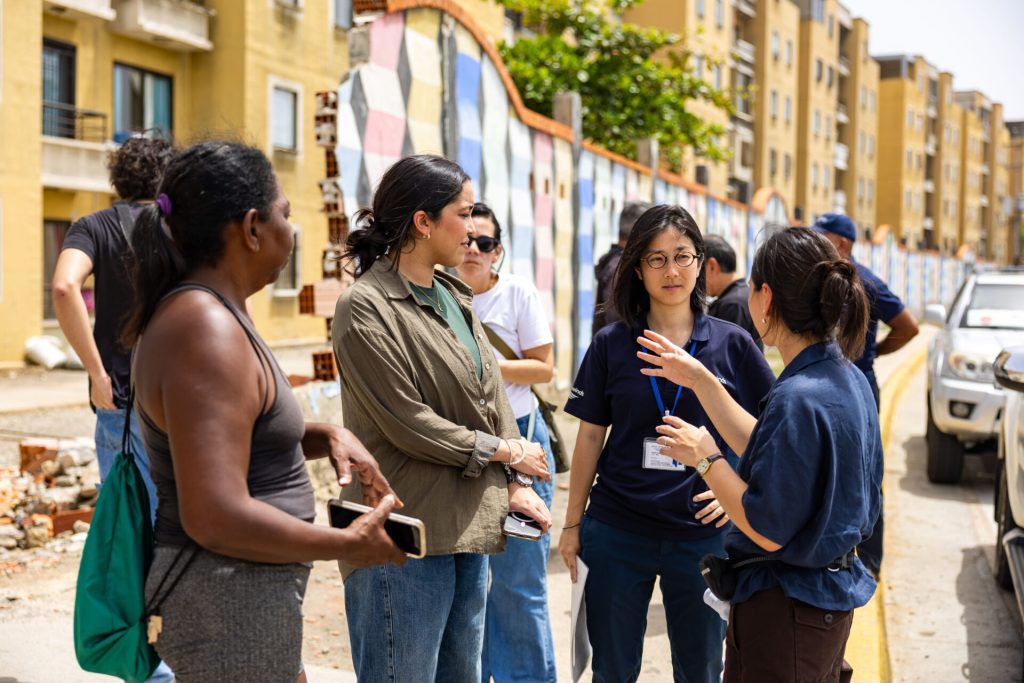
Many international aid teams were deployed to Venezuela, and we saw massive quantities of supplies delivered by military aircraft. It would have been pointless for a small, private organization like ours to attempt the same kind of thing. So we focused on meeting needs that fell outside the scope of large-scale aid, and it led us to wonderful partners who shared our vision.
Our medical team also found a trusted partner, and [Peace Winds] signed an MOU and established a process for joint medical operations. I vividly recall a moment when the team leader, Dr. [Mototaka] Inaba, said, ‘Things are moving so smoothly, it’s almost scary.’ Someone from the Chamber of Commerce replied, ‘When everyone is heading in the same direction together, it’s only natural that things will move forward.’ Looking back, there were so many instances where we were able to succeed precisely because we were working alongside partners [like them].
The Meaning Behind “Thank You for Coming”
One of the [local] people who was serving meals with us told me about their experience in the immediate aftermath of the earthquakes. ‘For the first two days, there was absolutely no one here,’ they said. Despite the catastrophic damage, no one rushed in to help. So they had no choice but to begin clearing the rubble themselves with their bare hands.
When they introduced us to other Venezuelans, they had been saying that we arrived within 72 hours of the disaster. But I suddenly realized how isolating that time was. It was a jarring contrast to the scene around us, flooded with countless international aid teams. It made me reflect on the phrase ‘Thank you for coming,’ which we heard so often; I began to wonder if those words were rooted in the despair of those first few days when survivors felt completely alone.
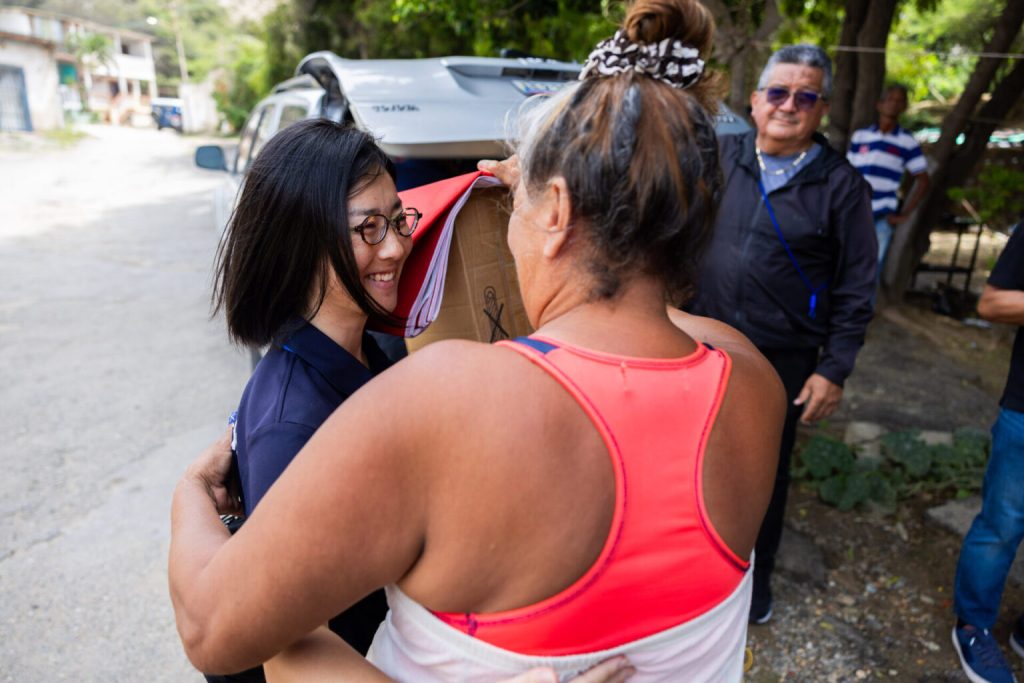
After I had been back home for three days, I was struck once again by just how far away Venezuela is, both physically and emotionally. It reminds me of something we heard often from survivors, somewhat sadly: “Help will flood in for a while, but eventually, everyone will go home.” Of course, it’s true that aid workers must eventually leave and tend to other responsibilities.
But there are certainly ways of providing long-term support that only an NGO, only Peace Winds, can offer. We are already seeing that potential firsthand. In addition to continuing our hot meal program, we are creating a system to monitor and address a range of needs, starting with psychosocial support. We will continue to do whatever we can to deliver flexible support to survivors.
We want to stand by them for the long haul, no matter how modest our efforts may be. We would be so grateful if you would stand with us.
(This text has been translated and shortened from the original Japanese.)
–
Of course, for many of us in the United States, Venezuela is not so far away. It is home to friends, family, and loved ones. Thank you for all of the compassion and generosity you have shown as we support our neighbors together.