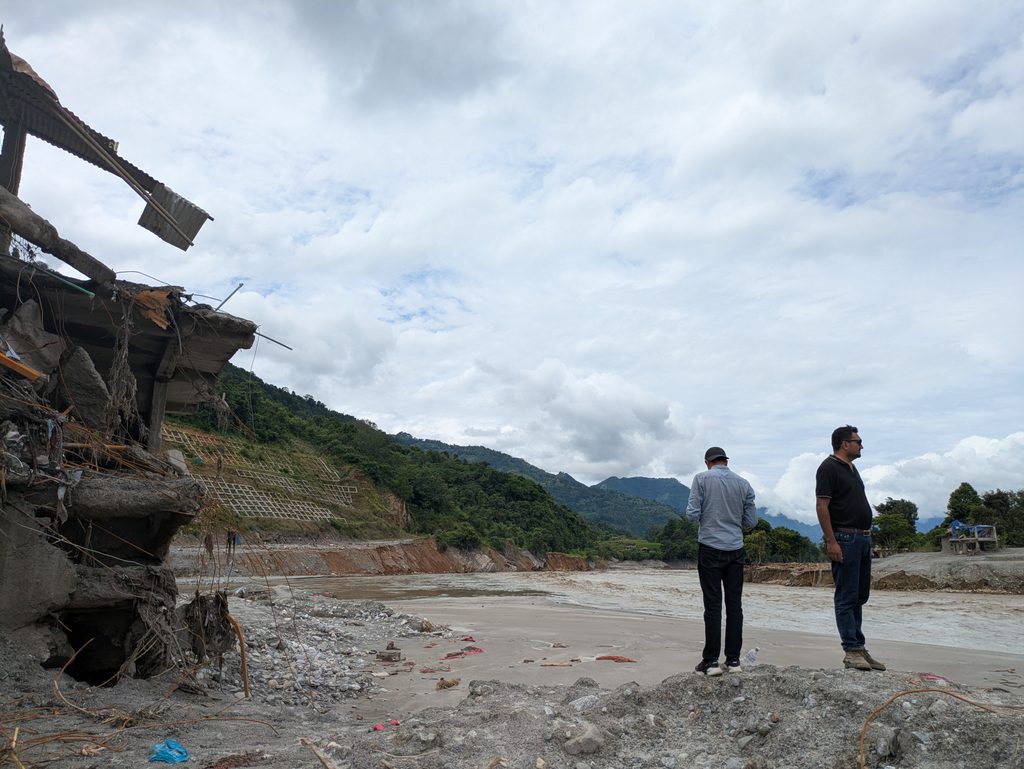
Emergency Aid for Nepal Flood Survivors Who Have Lost Everything
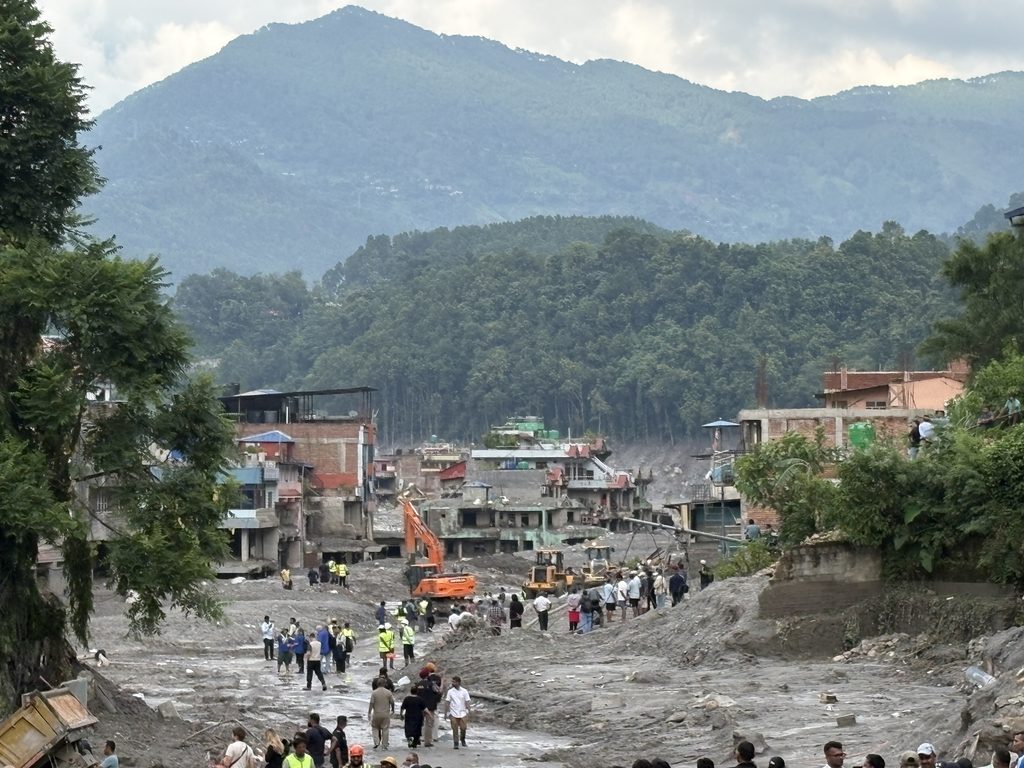
A team of Peace Winds disaster responders arrived in Nepal last week and has begun relief activities after massive flash floods devastated communities in Himalayan valleys. They are working with local partners to assess needs and deliver food and emergency relief supplies–including hygiene items, rubber boots, shovels, and other debris removal essentials–to some of the hardest-hit villages.
In September, donations to the Project of the Month Club will support our efforts to deliver emergency flood relief in Nepal. Click here to join the club, or click here if you’d prefer to make a one-time donation. Every bit makes a difference, no matter the size.
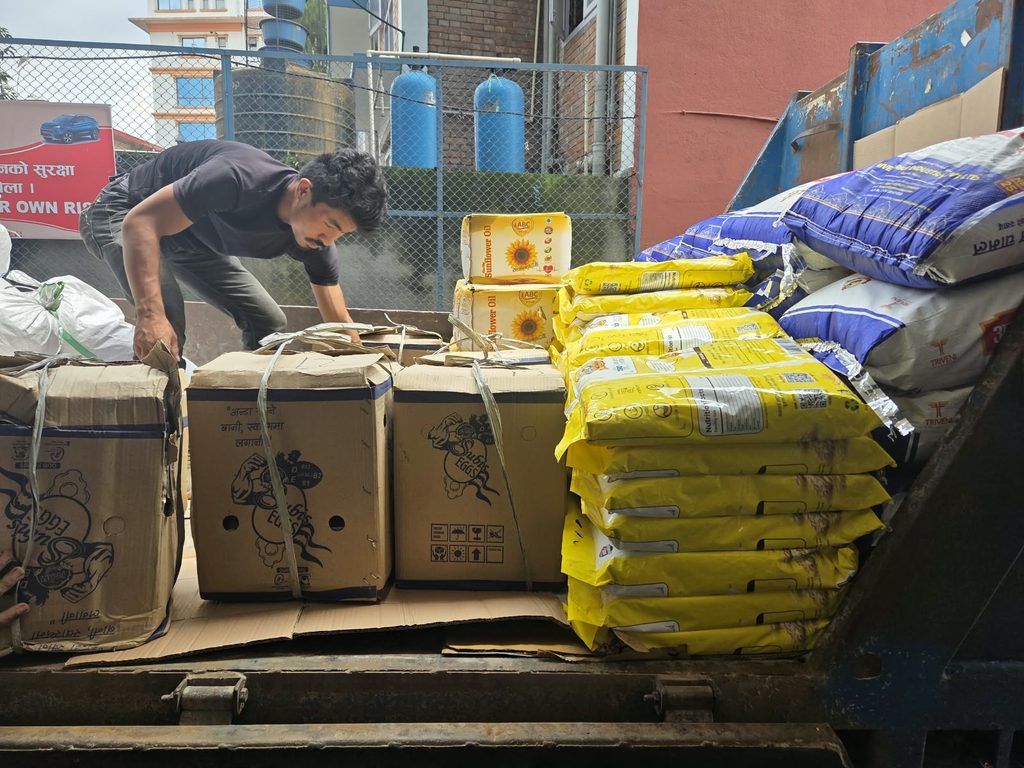
The full extent of the damage remains unclear, but the numbers offer some perspective: more than 1,000 people have died, but many more are feared dead with several thousand still missing. Some 10,000 families have lost their homes. And there is extensive damage to roads, bridges, power lines, and much other critical infrastructure.
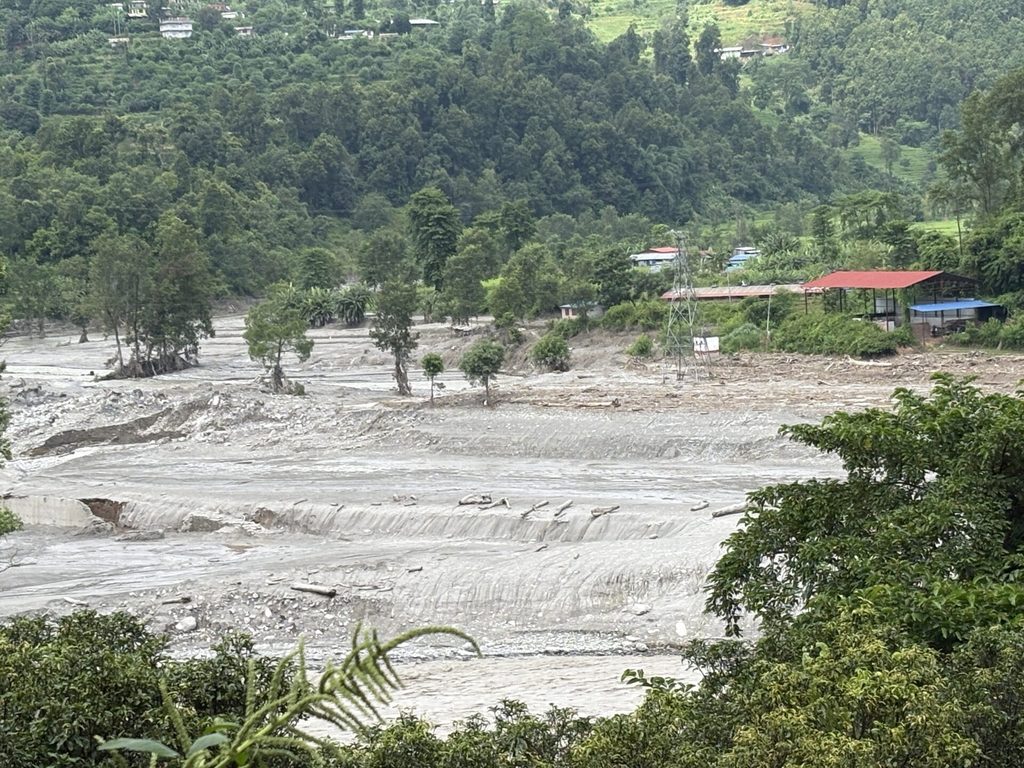
Unsurprisingly, Peace Winds staff, who arrived in Nepal from Japan last Friday, reported that the devastation could hardly be captured by statistics alone. The team drove about three hours outside of Kathmandu to the hard-hit village of Devighat. They were struck by a stench of decay, complete erosion where roads and homes should have been, and a scene that they described “like that of a tsunami.”
It was immediately clear that the town is far beyond simple repairs. After the debris is cleared, infrastructure will need to be completely rebuilt from the ground up, a process that will take years.
Even traveling within the disaster zone is dangerous. Our team encountered a roadblock that had been formed by a mudslide, and the potential for secondary floods remains a threat now that new “lakes” have formed upstream on unstable ground.
All of this damage means that remote communities are even more isolated, which is dangerous after a disaster. For residents of Devighat, the closest evacuation center is miles away. And because supplies are unavailable there, they must be transported from Kathmandu. Helicopters are being used for some governmental search, rescue, and relief operations. For groups trying to reach survivors by car, securing vehicles and drivers is difficult.
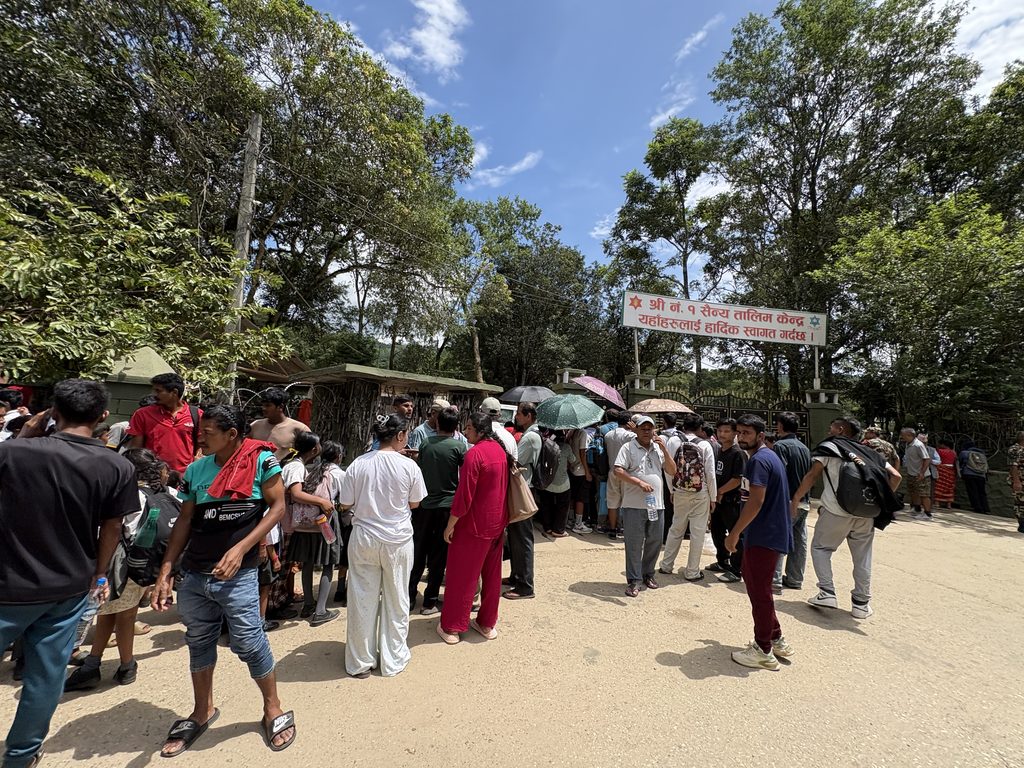
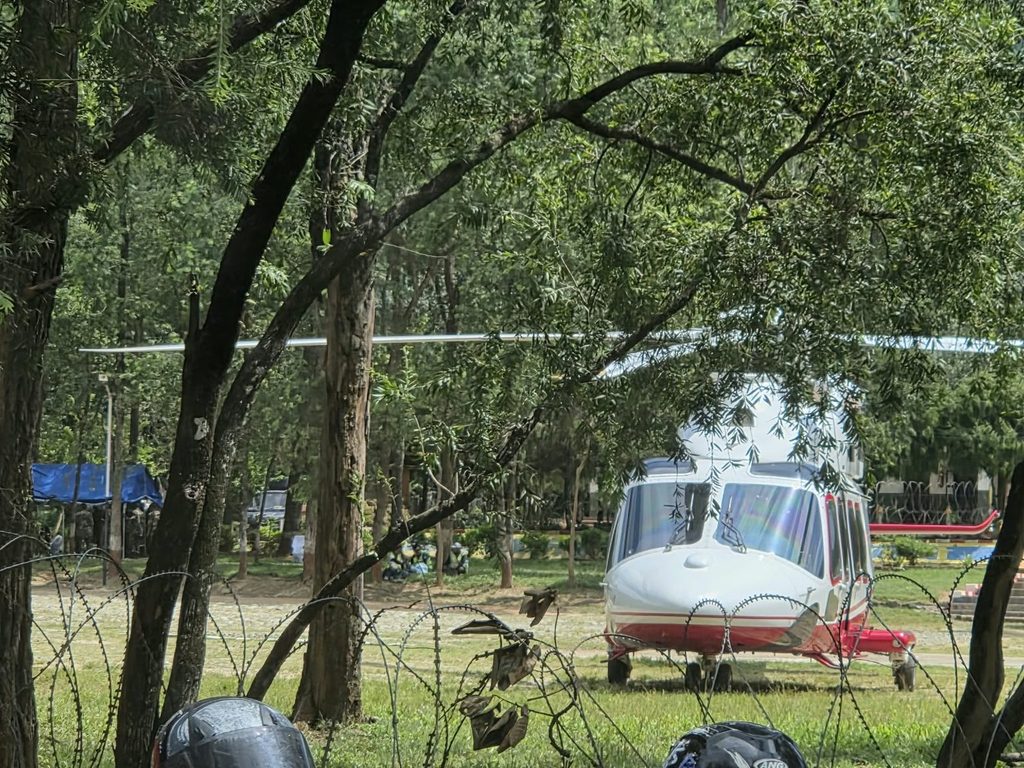
Very limited information, too, can make it in or out of these remote areas. So it is difficult to know what survivors need. But surveying and speaking to them is critical for ensuring that support matches what is truly needed, so Peace Winds will continue to work toward this goal.
“Regardless of their wealth or social status, those affected by the disaster have lost everything,” one Peace Winds responder said. “Society as a whole needs to step in to provide support, or it will be too late. Survivors have lost everything they need to live. There is a mountain of work to be done, not just by the local community, but by the international community as well.”
In addition to material support, Peace Winds nurses have arrived in Nepal and are working with partners to coordinate medical care. We are committed to supporting continued relief and recovery in the weeks and months ahead. Your donations help make this possible.