Filling the Gaps in Venezuela
Two months after a series of devastating earthquakes struck Venezuela, Peace Winds continues to deliver essential assistance and support families as they rebuild their lives and begin the long road to recovery.
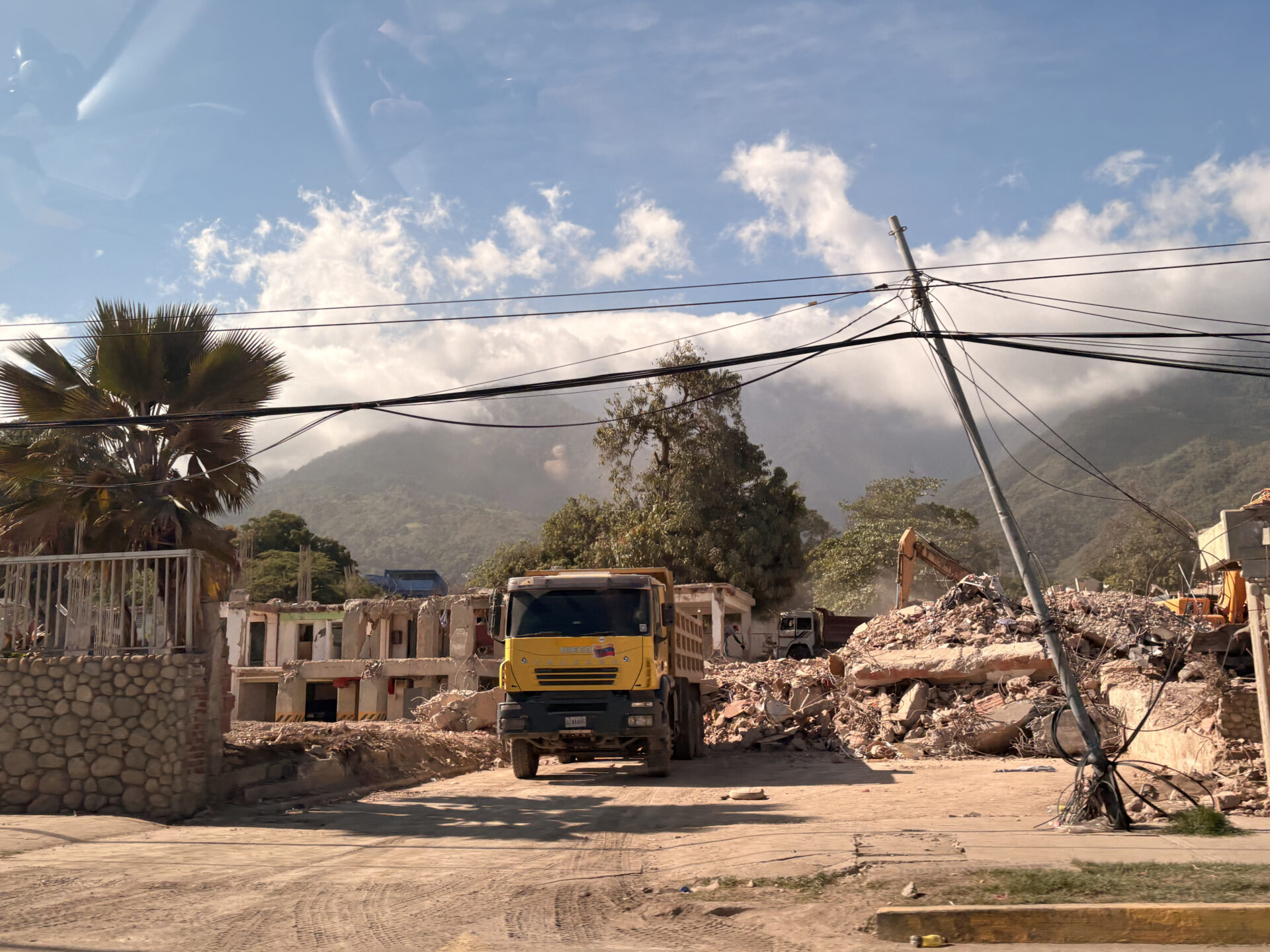
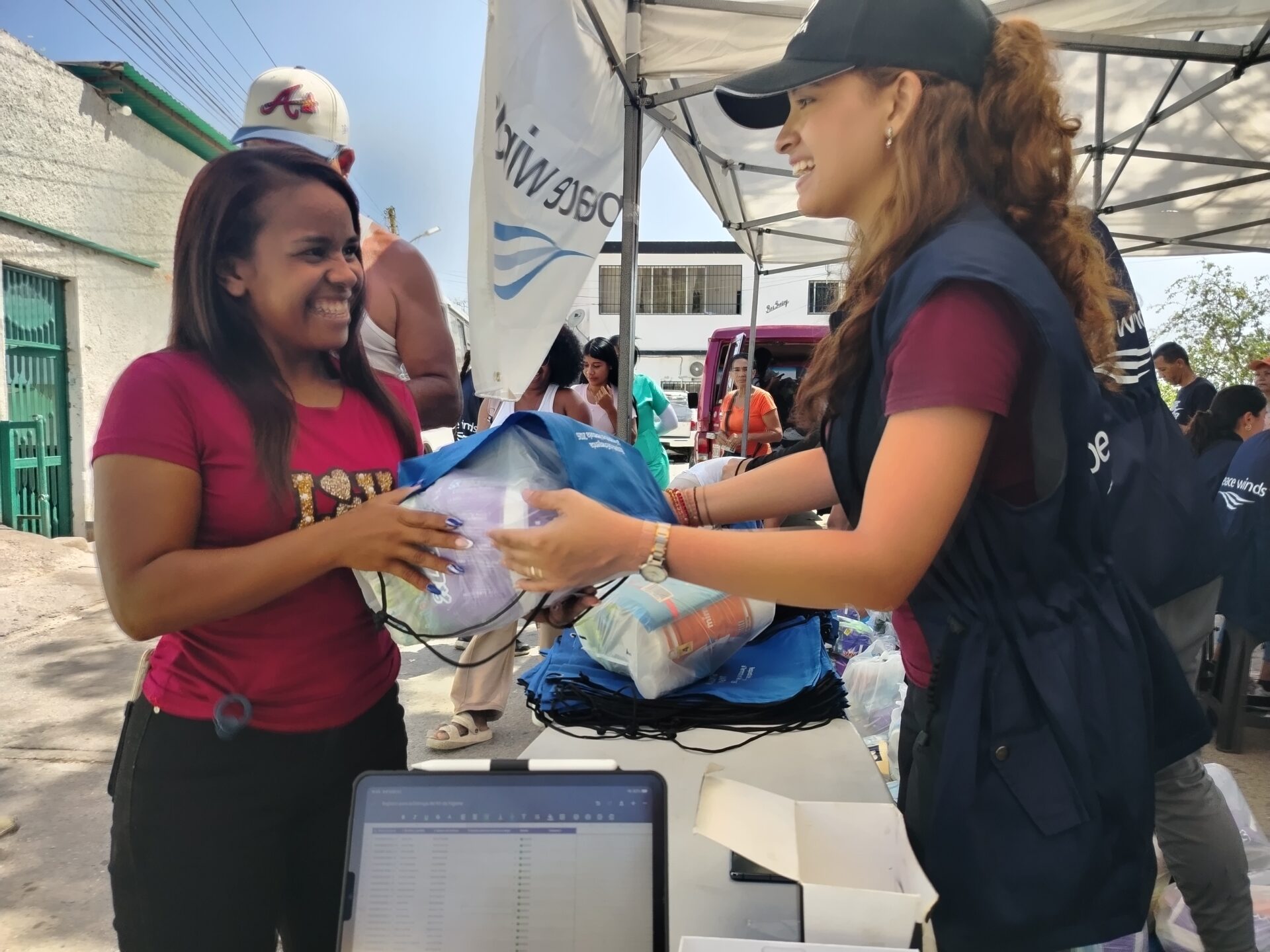
The coastal area north of Caracas was the hardest hit. One town that Peace Winds has focused on was home to many low-income families, and a number of them lost their homes. But even those who did not lose houses are affected, because displaced people from other hard hit areas are flocking there, putting even more pressure on the local community.
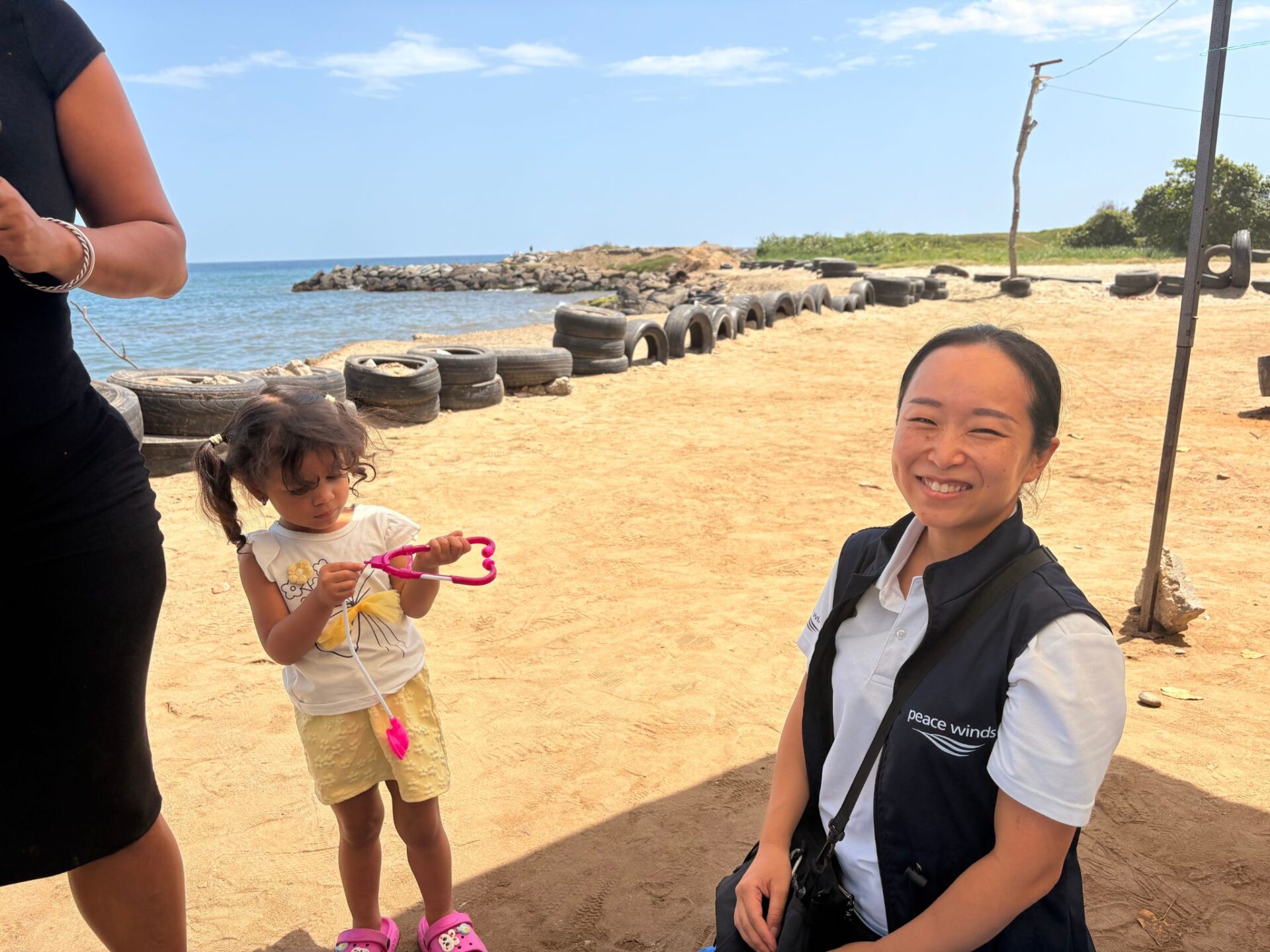
Mitsuki Kitagawa, a Peace Winds nurse stationed in Venezuela, explains:
“Those whose homes did not sustain significant damage are not eligible for aid. But many residents have taken in displaced relatives, friends, and colleagues. As a result, the local population has nearly doubled compared with before the earthquakes.”
Even though earthquake damage is less visible and many homes in the area remain standing, the needs are intense. But, many people are not receiving the support they need. And the disaster has had a major economic impact on individuals and families. Many residents have also lost their jobs and are struggling to make ends meet. While some temporary jobs are available, such as clearing rubble, these opportunities are far from enough to meet the needs of the rapidly growing population.
So, Peace Winds teams have been focused on supporting survivors in this town by distributing hygiene kits, including soap, detergent, toothbrushes, towels, and menstrual hygiene products, to several hundred households. In fact, Peace Winds conducted a survey after distributing hygiene kits and found that for nearly 98% of survivors who responded, buying these items on their own would have been difficult or impossible. The results highlight the importance of humanitarian assistance for these communities.
The level of support for evacuation shelters also varies from one area to another. While some are relatively well-equipped, many informal shelters run by local communities lack basic facilities such as showers and toilets. So Peace Winds is also focusing aid efforts on communities and shelters where needs are less visible and support is harder to access.
The people of Venezuela have faced years of political and economic hardship, but Kitagawa has seen their resilience firsthand. Despite years of struggling to meet even their basic needs, many people continue to express hope in the face of these challenges. Peace Winds hopes the people of Venezuela can feel, even in a small way, that they are not alone.
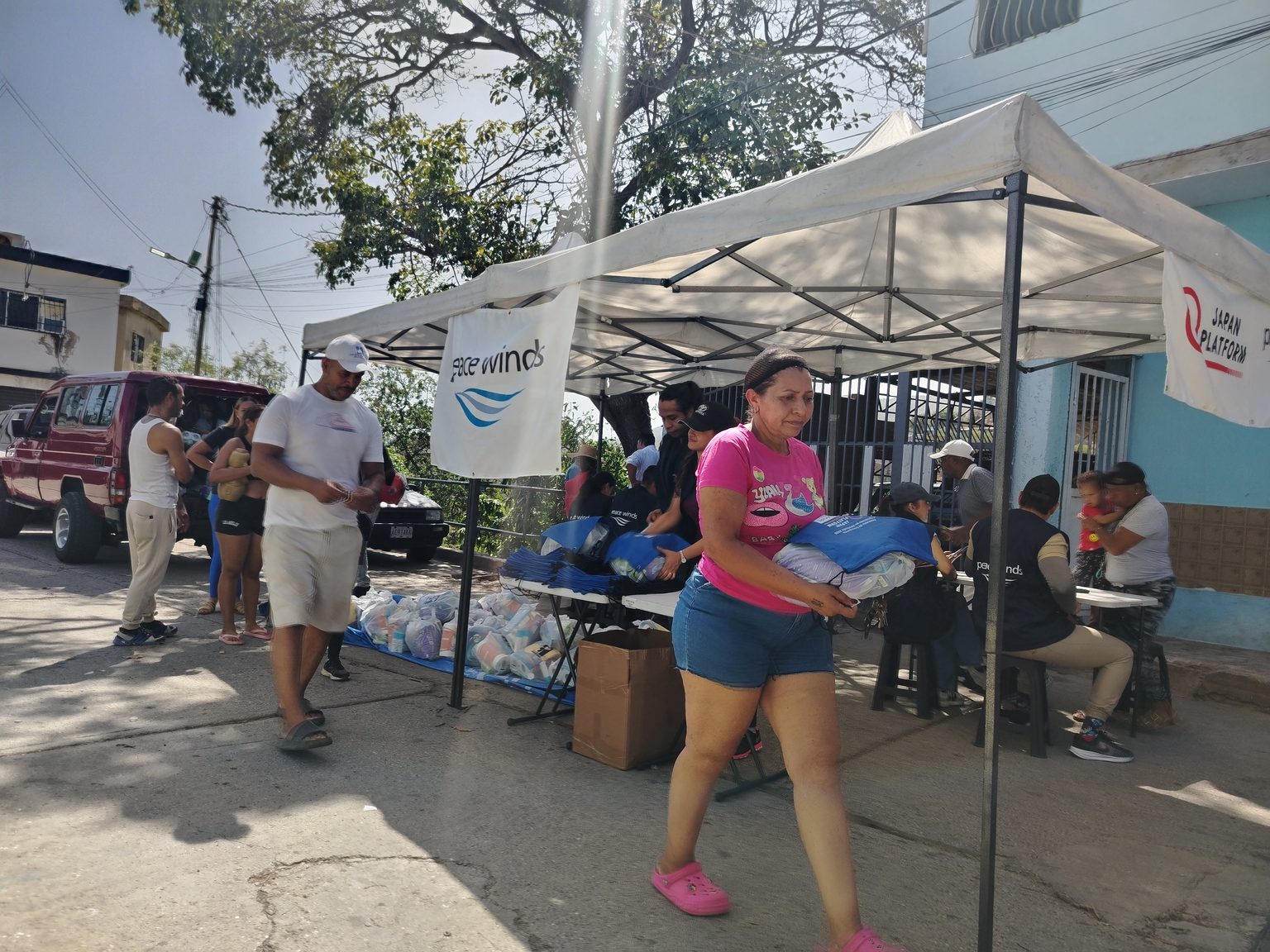
As many survivors continue to live in temporary conditions, Peace Winds is expanding support in various ways, including hot meal distributions and psychosocial support. Together with local communities, we will continue to respond to their needs and stand with them as they work toward recovery.