World Refugee Day 2025: A Former Refugee Removes Barriers for Women & Girls in South Sudan
Every year on June 20, World Refugee Day, Peace Winds joins in honoring the strength and courage of the more than 123 million people worldwide who have been forced to flee their homes due to threats such as violence, economic hardship, and food insecurity. This year, we’d like to share the perspective of one staff member who is empowering and advocating for refugees in South Sudan.
Diana Achayo, Protection Officer for Peace Winds, and her Juba-based colleagues support critical services for refugees and local community members at two refugee settlements–Gorom Refugee Settlement, south of Juba, and Wedweil Refugee Settlement in the north near the border with Sudan. Diana’s work is especially focused on protection, ensuring that programs meet the needs of refugee girls and boys, women and men, and other vulnerable individuals such as those with disabilities or chronic illnesses.
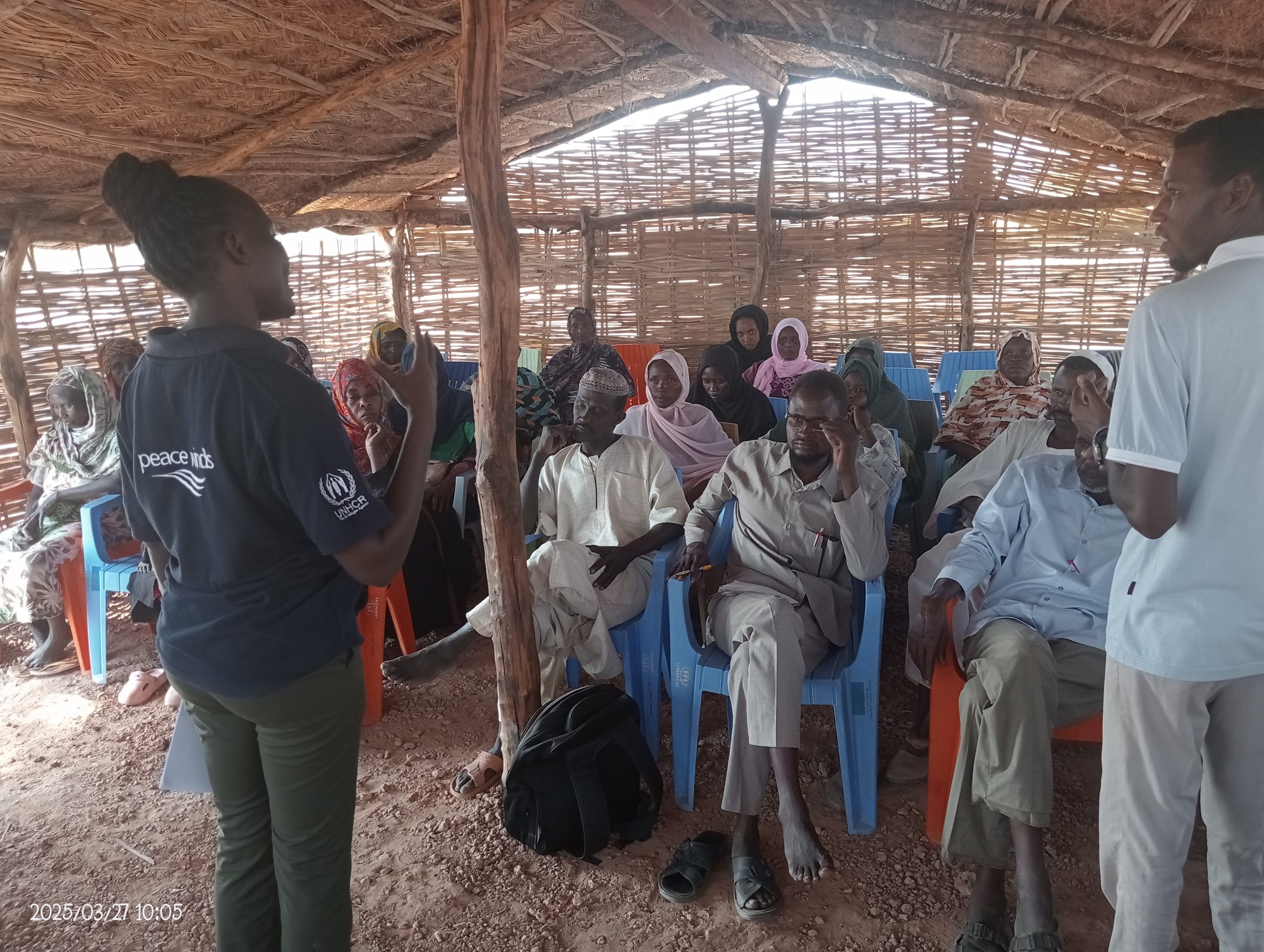
“I look at how both males and females, boys and girls participate in project activities with an effort to understand their needs, perspectives, aspirations, and vulnerabilities that could affect their social functioning. Peace Winds provides services to meet the identified needs and monitor the impact of the project activities on their practices, behavior, knowledge, and attitude change,” Diana says. “We believe in the paradigm of change, hope, and renewal of the minds to see a better world for forcibly displaced persons. I am a change maker.”
Diana is passionate about removing barriers to opportunities like education and livelihoods and access to clean water and sanitation for women and girls. She comes from a refugee family herself and says that she wants to help others access the same opportunities she had when she was younger.
“I was born in a refugee settlement in Uganda. My parents fled South Sudan during the first war. I grew up in the settlement, but of course I grew up with a lot of hardships. We used to chase education, walking for several kilometers to go to school. I want to thank my parents because my father is a teacher, and he understands the importance of education, so I was able to study.
“But most of my peers did not make it to where I’ve made it. They got married, and their life ended like that because of the harmful cultural practices, values, and beliefs that praise boys and men and subordinate women and girls as result of the patriarchy. Women are deprived of their rights to participate in decision making, leadership, education, property ownership, and inheritance. We are seen as the second-class gender, an option. [People] do not understand the importance of a girl having a voice over her body (bodily autonomy).”
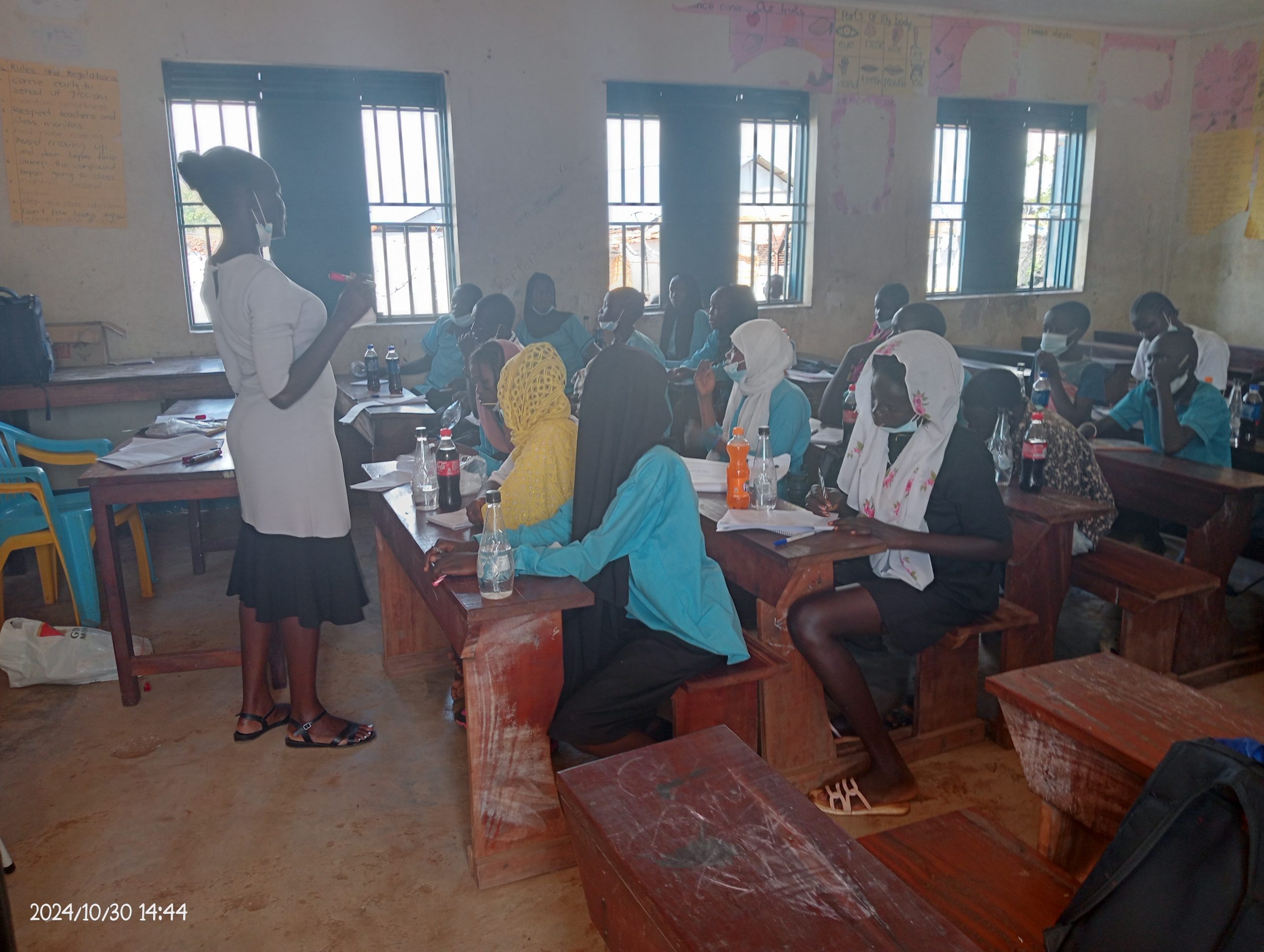
“I have been able to make it thanks to my parents. When UNHCR stopped supporting refugees in the settlement, my parents moved us to the nearby town where I had access to a better school. I was able to study, go to university, and accomplish my master’s degree.”
Diana now has a master’s degree in Gender Studies, and she gained experience working in areas like child protection, gender-based violence mitigation, and mental health before starting with Peace Winds last year.
“Being a refugee has impacted me a lot. In the career I’ve chosen, I want to look at girls’ and women’s rights. Advocacy on their behalf is always my priority.”
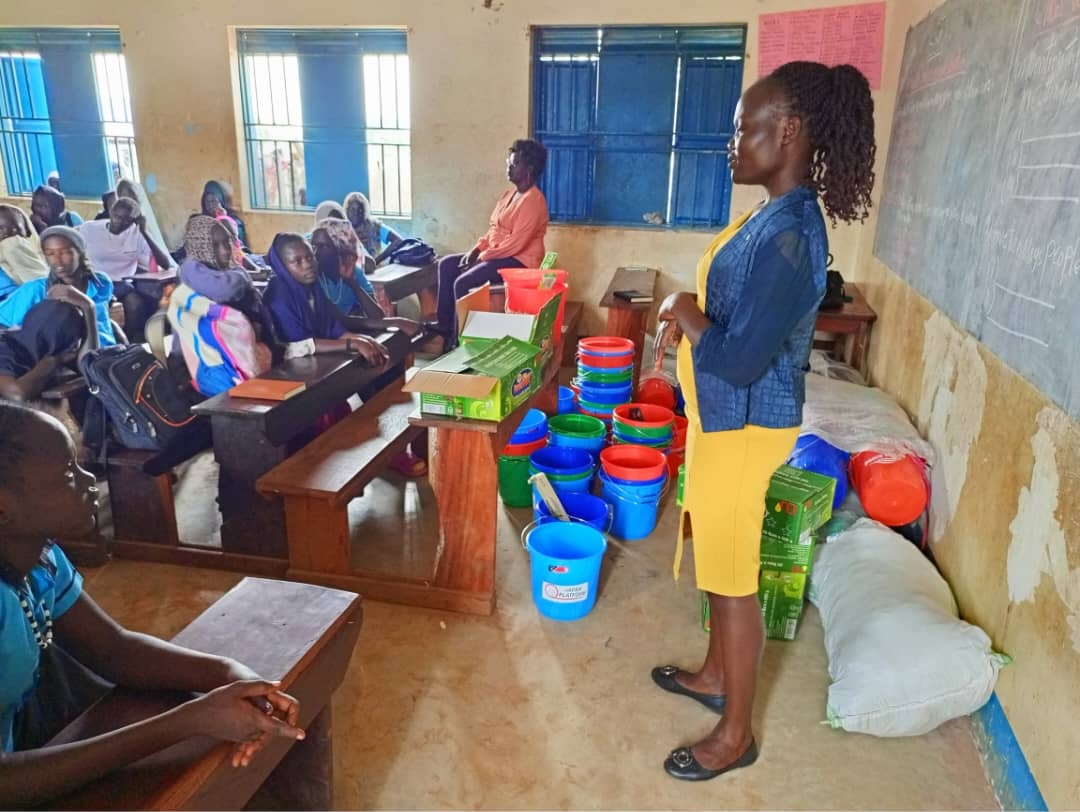
For example, there is a critical need for menstrual hygiene support for refugee girls and women in the settlements. “Inflation is very high, and girls cannot afford pads,” Diana says. “They often miss a week of school [each month] due to lack of menstrual hygiene kits.”
Harmful cultural practices about menstruation, misinformation and knowledge gaps, and teasing from other students also fuel this problem. Girls are often afraid to discuss menstruation due to stigma and discrimination.
“Stigmatization that comes from the boys affects girls’ attendance and socialization in times of menstruation while at school. At Peace Winds we value the importance of involving boys in the fight against stigma and discrimination around menstruation such that they understand what their sisters go through and their role in assisting them. We want them to know that menstruation is normal, is natural, and we are all products of menstruation. Without our mothers having menstruated, we wouldn’t have come to this world.”
Many refugees in South Sudan and elsewhere face mental health challenges that Diana and the team are working to mitigate. “Especially depression, psychosis, anxiety, and post-traumatic stress disorders. Someone will tell you a story, like, ‘I’ve lost my wife, I’ve seen my wife being shot.’ So, we have been giving them talking therapy, and where possible, we do referrals to our partners who provide mental health and psychosocial support services.”
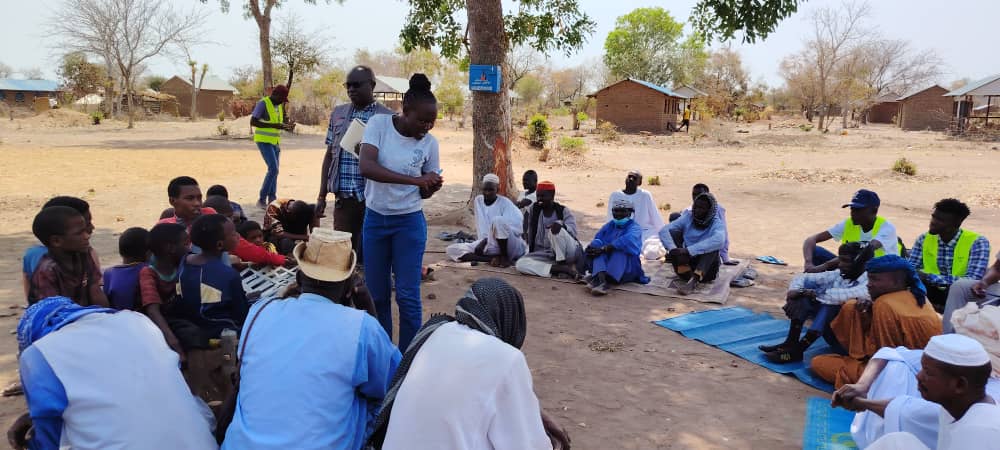
Diana strives to be a source of inspiration for her community wherever she can, encouraging refugees to believe in themselves and rely on one another. “Working with and on behalf of the forcibly displaced persons has impacted my life of sharing kindness, hope, and love. You find that you live a life of giving. The little I have I have to give and share. Because not everyone has the same things you have. I tell them I was once a refugee, but here I am today. It was not my choice to be born in a refugee settlement, and it’s not their choice to be in a refugee settlement. For the world is a small global village, so let’s accept each other, embrace diversity, and live in unity as we emulate the importance of human relationship.”
To learn more and donate to Peace Winds’ work with refugees in South Sudan, please visit our GlobalGiving project here.