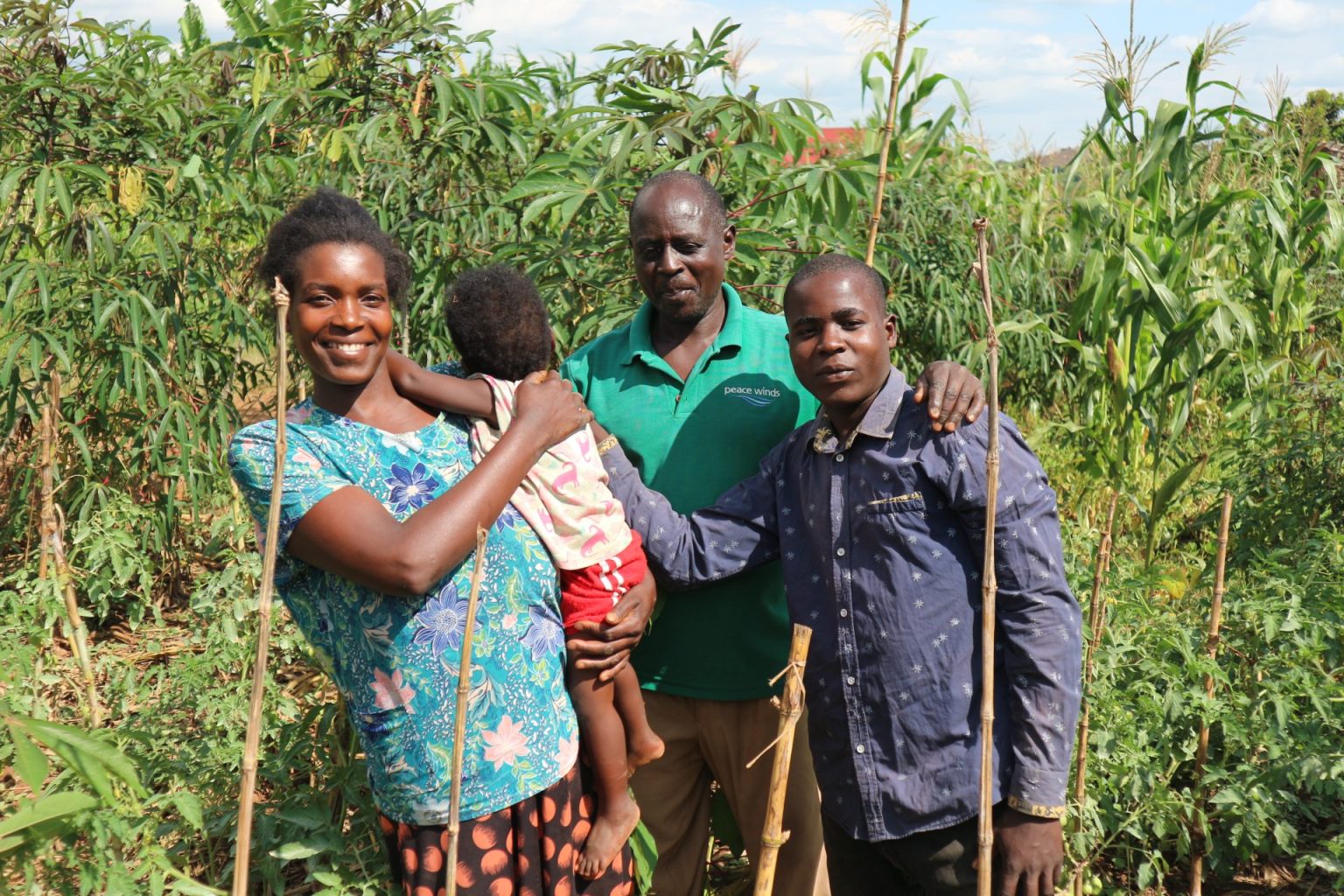
Training Farm Bears Fruit (and Vegetables) for Farmers in Uganda
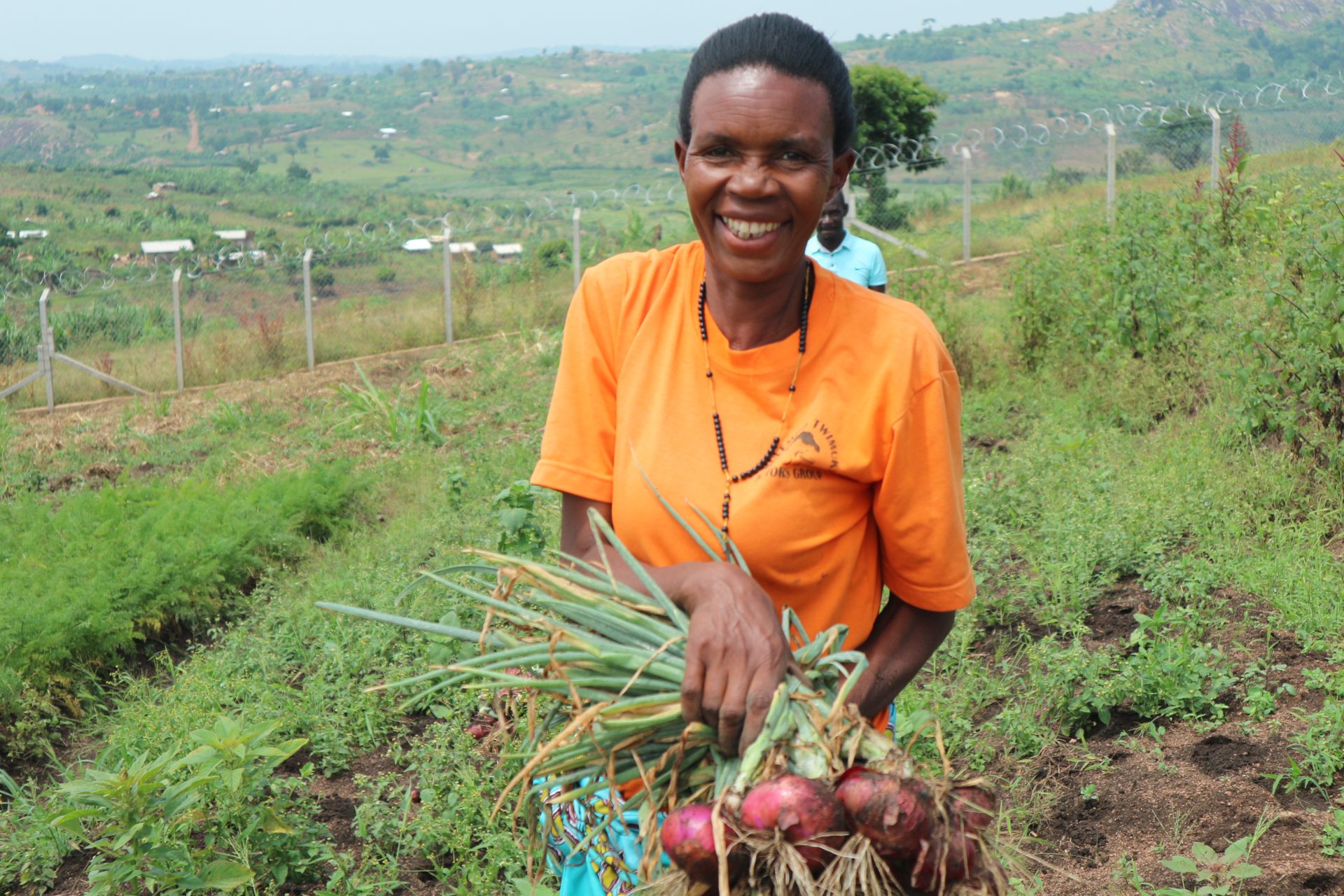
At the Kyaka II Refugee Settlement in western Uganda, many people rely on agriculture to earn a living and support their families. But food shortages due to decreases in aid and climate change impacts are making farming increasingly critical in helping families feed themselves.
In response, Peace Winds set up a “model farm” where both refugees and local community members received training on new field preparation and cultivation techniques. Their first harvest season ran from October 2024 to January 2025, throughout which trainees cared for the farm while selling the vegetables they harvested at local markets.
By the end of March, 15 participants had completed the training. Since then, graduates have incorporated the knowledge and skills they gained into their farm work at home. They say they are gradually seeing more and more benefits.
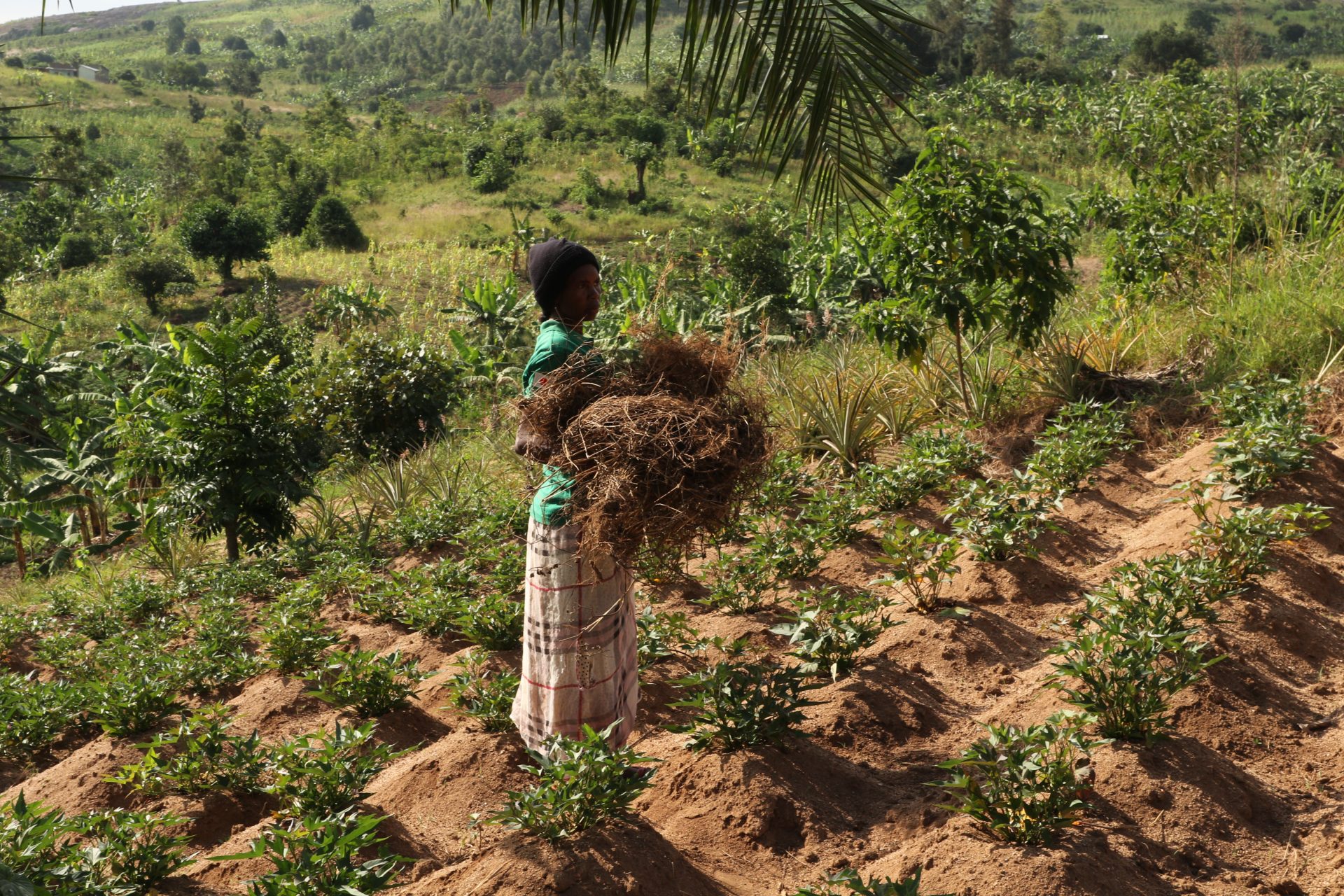
One of these people is Federesi, a native of Uganda who has a large farm at home.
“I had heard about this farming method before, but I finally understood how to do it through the training at the demo farm,” she said, “and this season I was able to put it into practice [in my own field].”
When our staff visited in June, Federesi showed us around the fields that she and her sons maintain.
“I also learned that mulching tomatoes when they’re still young improves their quality and increases the yield, so I’m planning to try it in my field.”
Mulching refers to covering the surface of the soil with dried plants to maintain moisture and prevent pests and diseases. As Federesi talked about her future plans, she had bundles of hay ready for mulching beside her.
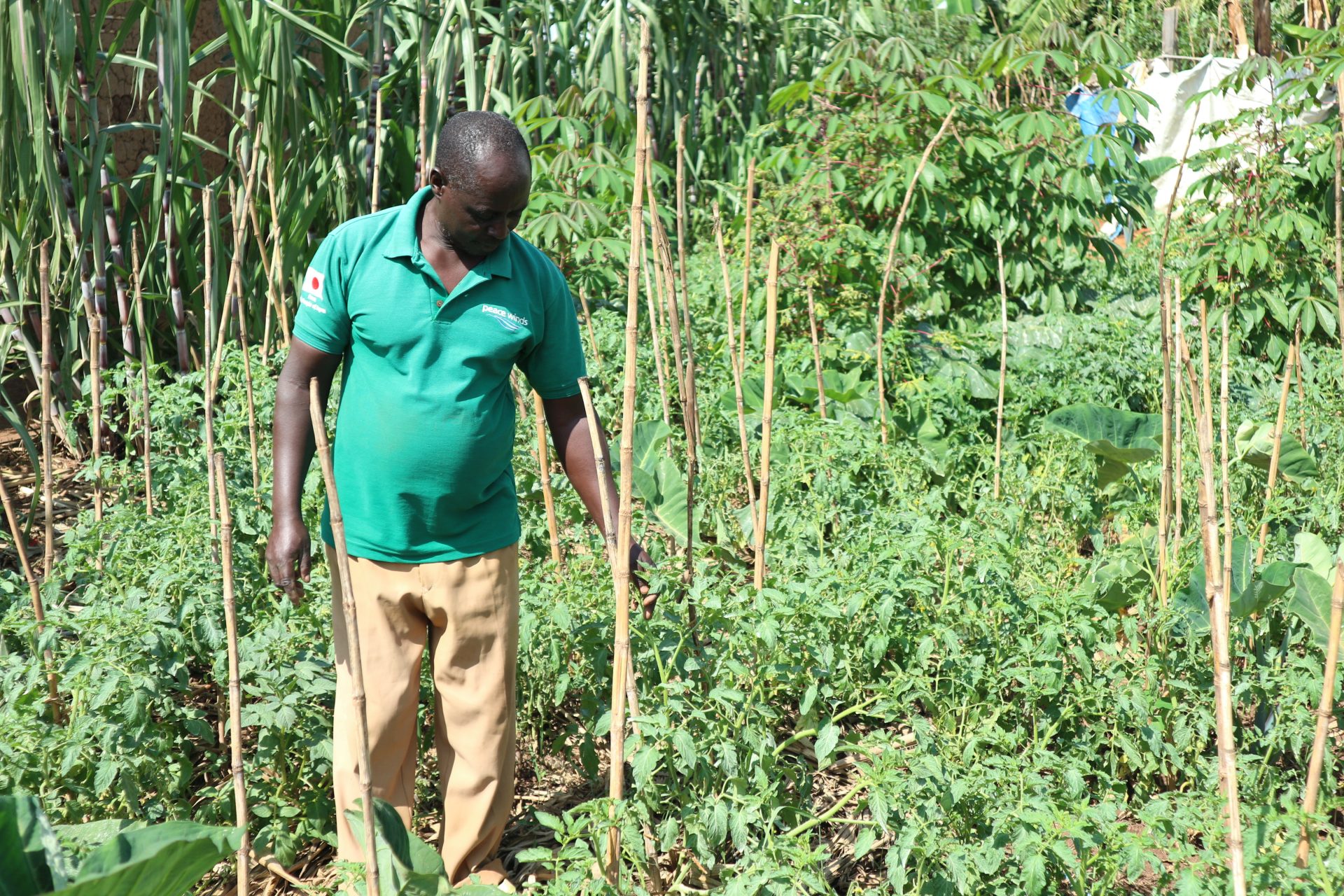
Jackson, a refugee from the Democratic Republic of the Congo, said the training taught him that he can earn an income growing vegetables. Until recently, he had only grown a small amount of vegetables for his own use, and he primarily grew and sold grains. He now devotes about half of his field to growing vegetables.
“I’m trying it out little by little to convince my wife of the benefits of growing vegetables,” he said with a laugh.
Jackson reported happily that he has been able to save the money he earned from selling vegetables and use it to pay for basic necessities for his family, such as his children’s school fees, medical expenses, food, and clothing.
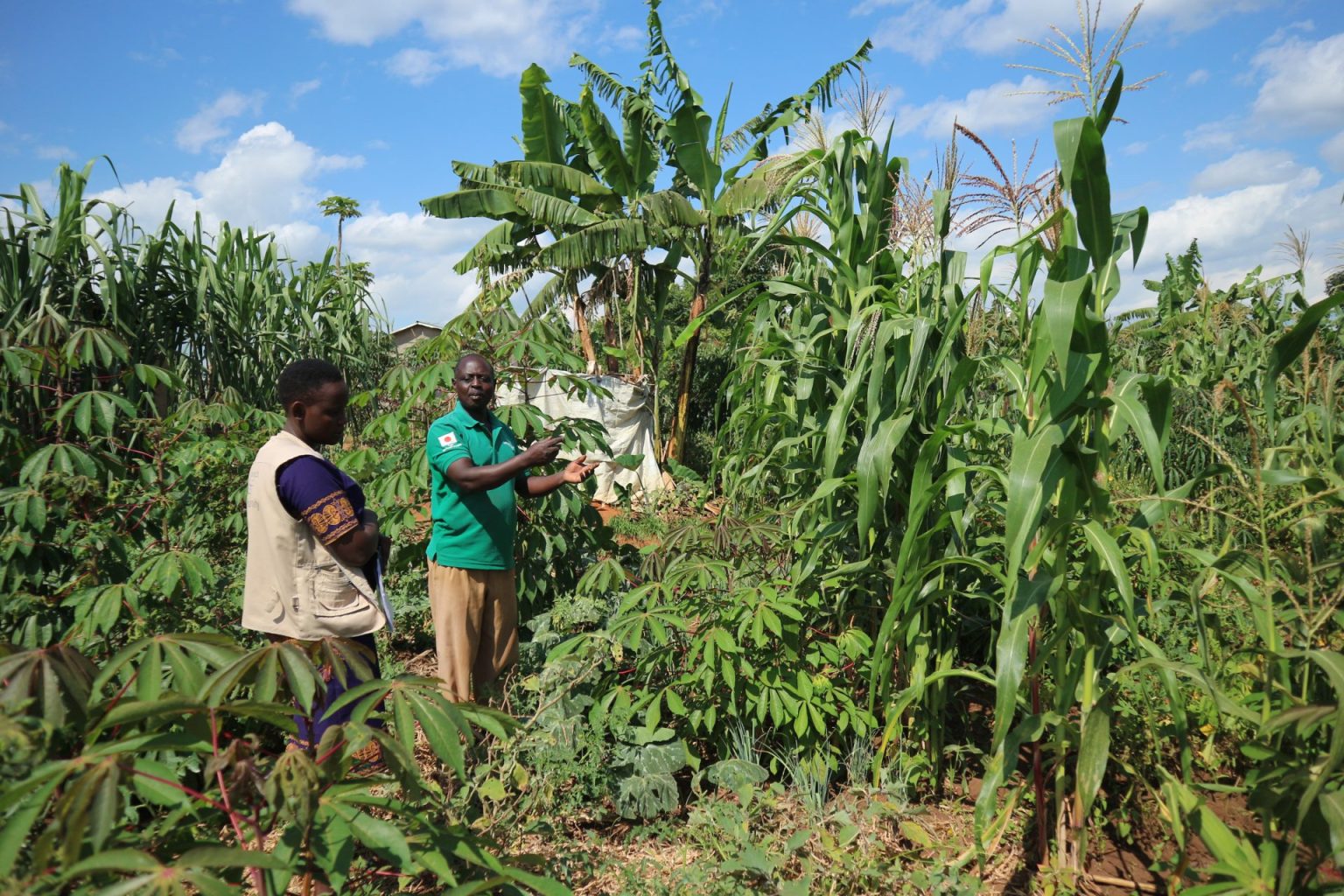
He also said that he has been demonstrating his leadership skills by sharing the knowledge he learned in the training. “Recently, my neighbors have been asking me questions about farming.”
The group of farmers he leads has even pooled small amounts of money together to start raising chickens so they can diversify their income sources.
What the graduates learned at the demo farm is steadily bringing about changes in their own lives and for others around them. In March of this year, Peace Winds launched a new project in which Jackson and other graduates lead training for other local farmers. Looking toward the new harvest season, not only is this helping to stabilize incomes for individuals and families, but it fosters a cooperative relationship between refugees and local residents to strengthen the entire community.