15 Years Since Tohoku Earthquake and Tsunami: Going Beyond “Never Forget”
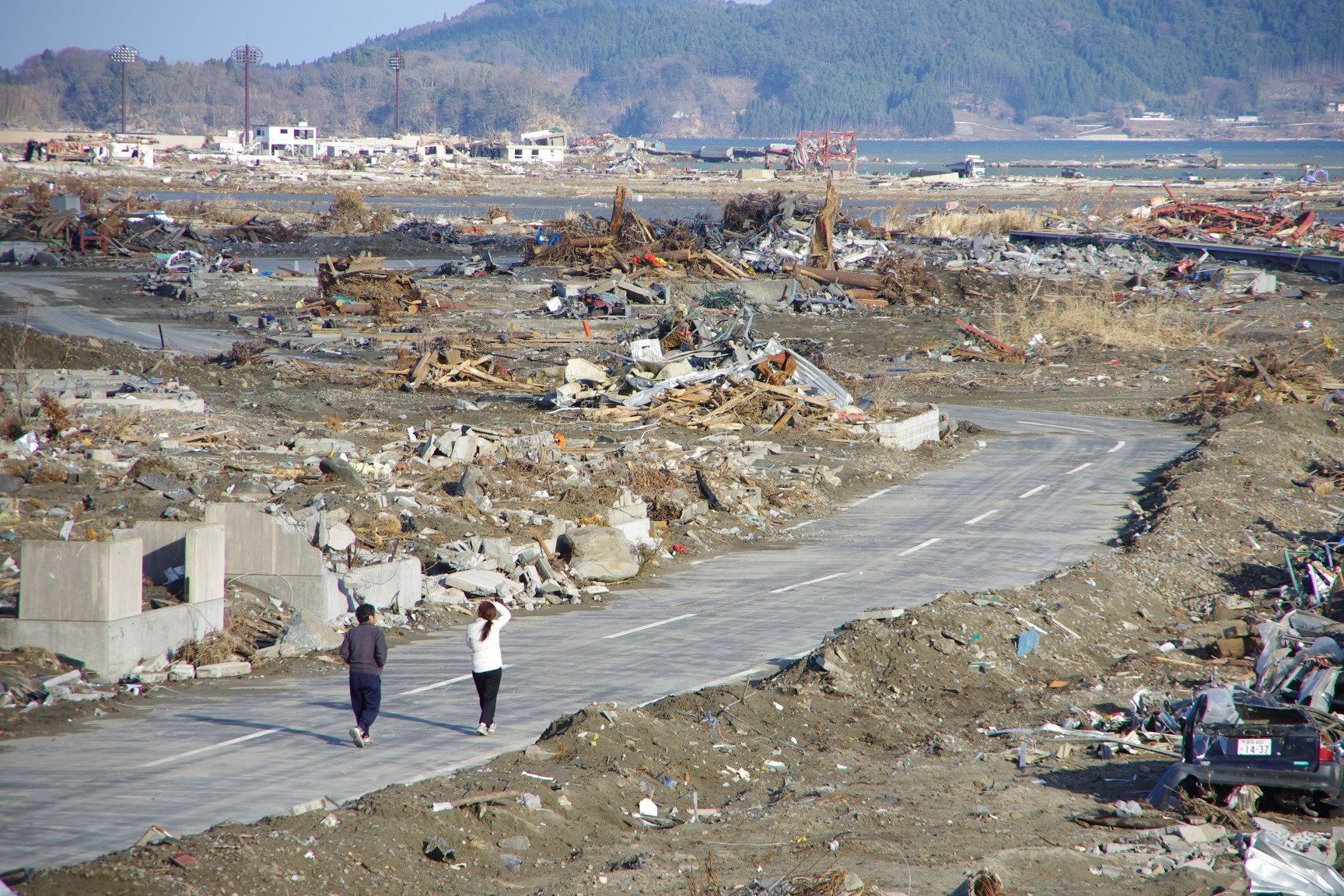
It has been 15 years since the 9.0 magnitude Great East Japan Earthquake struck the Tohoku region on March 11, 2011. The earthquake triggered a massive tsunami and the Fukushima nuclear meltdown, killing nearly 20,000 people and forcing more than 400,000 people from their homes.
Thanks to an outpouring of donations from people through the United States, Japan, and the rest of the world, Peace Winds was able to respond immediately, and your support allowed us to continue operating relief and recovery efforts in Tohoku for nearly 15 years since then. We’re filled with gratitude for all who helped make that possible.


Many vowed never to forget that day, and we continue to keep the memory of those who perished–and their families and all affected–in our hearts. But for Peace Winds, simply remembering isn’t enough. Our team is made up of doctors, nurses, aid workers, and volunteers who rushed to help however they could, while also struggling in the face of a disaster beyond anyone’s imagination. As we carry that day with us, we not only remember the lives that were lost, but we allow the lessons learned to shape the way we approach our work going forward.
On March 11, 2011, Mari Poorman, originally from Japan, was working for Peace Winds America (PWA).
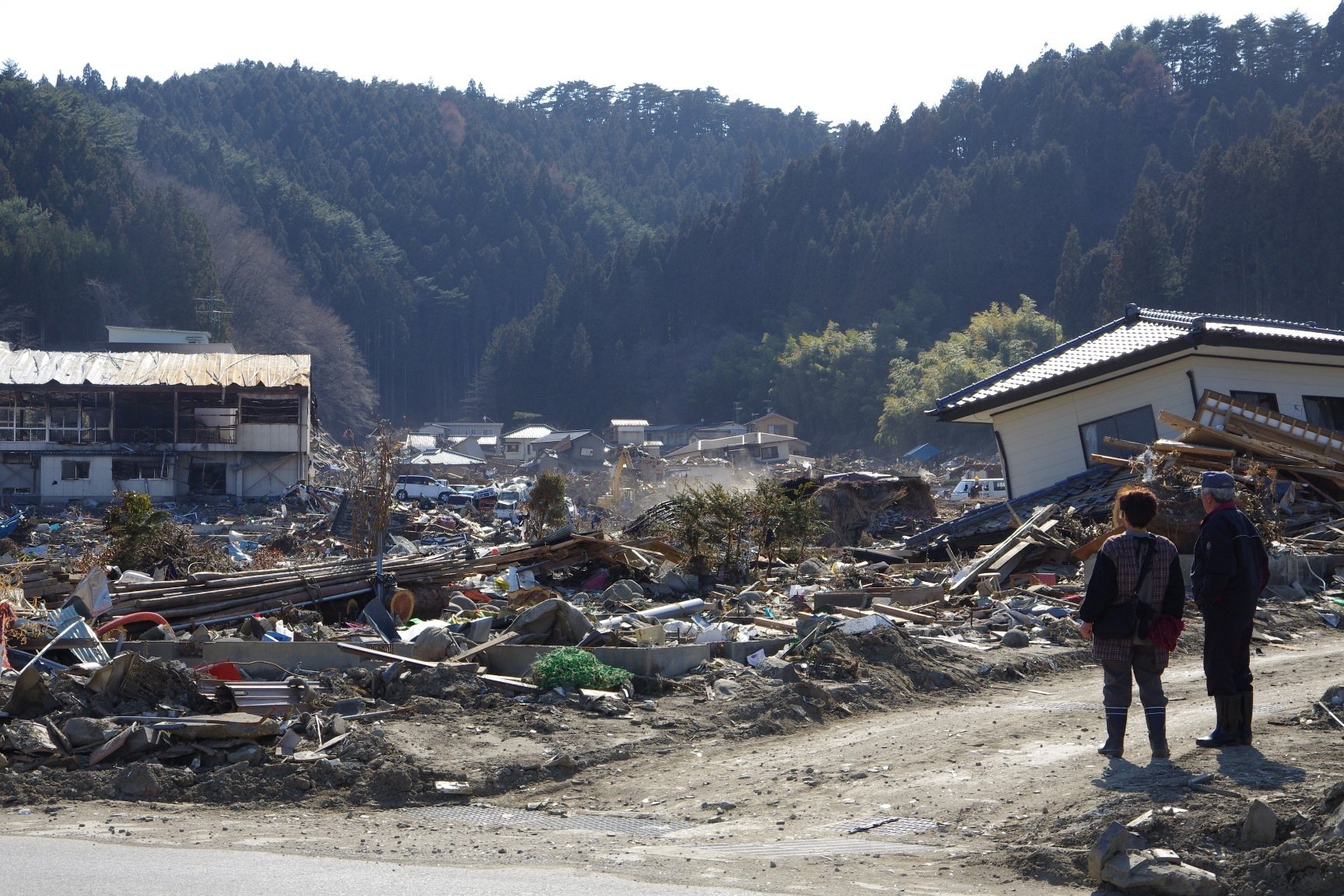
“I was getting ready for bed at home in Seattle when, just after 11 pm, I received messages and phone calls from friends saying, ‘There’s an earthquake in Japan,’” Mari remembers. “At first I said, ‘It’s fine, Japan has earthquakes all the time.’ But then they told me it was really bad, so I rushed to turn on the news.
“I was speechless. Since I was in the US, I started to get a lot of phone calls the next day, and for the next two weeks, I could barely sleep at night.”
Mari and her colleagues at PWA immediately began to coordinate with Peace Winds Japan (PWJ) teams on the ground. A small group managed to reach Miyagi Prefecture via helicopter the next day and began initial needs assessments and aid distribution.

Rika Yamamoto, who now heads PWJ’s overseas department, worked with her colleagues to deliver material support at evacuation centers, like bedding, clothes, hygiene items, and food.
“Eating only onigiri (rice balls) every day made for an unbalanced diet and would make people feel depressed, so we thought fresh fruit might be appreciated,” Rika says. “We worked closely with the team in Tokyo to deliver supplies based on our careful understanding of the needs on the ground.”
Communication channels were completely cut off, so Peace Winds also provided satellite phones and generator-powered charging stations.
“The moment people made contact with their families, cries erupted all around,” Rika recalls. “They could make sure they were safe and find out where they were. It was an extremely valuable experience to witness those moments of sincerity.”
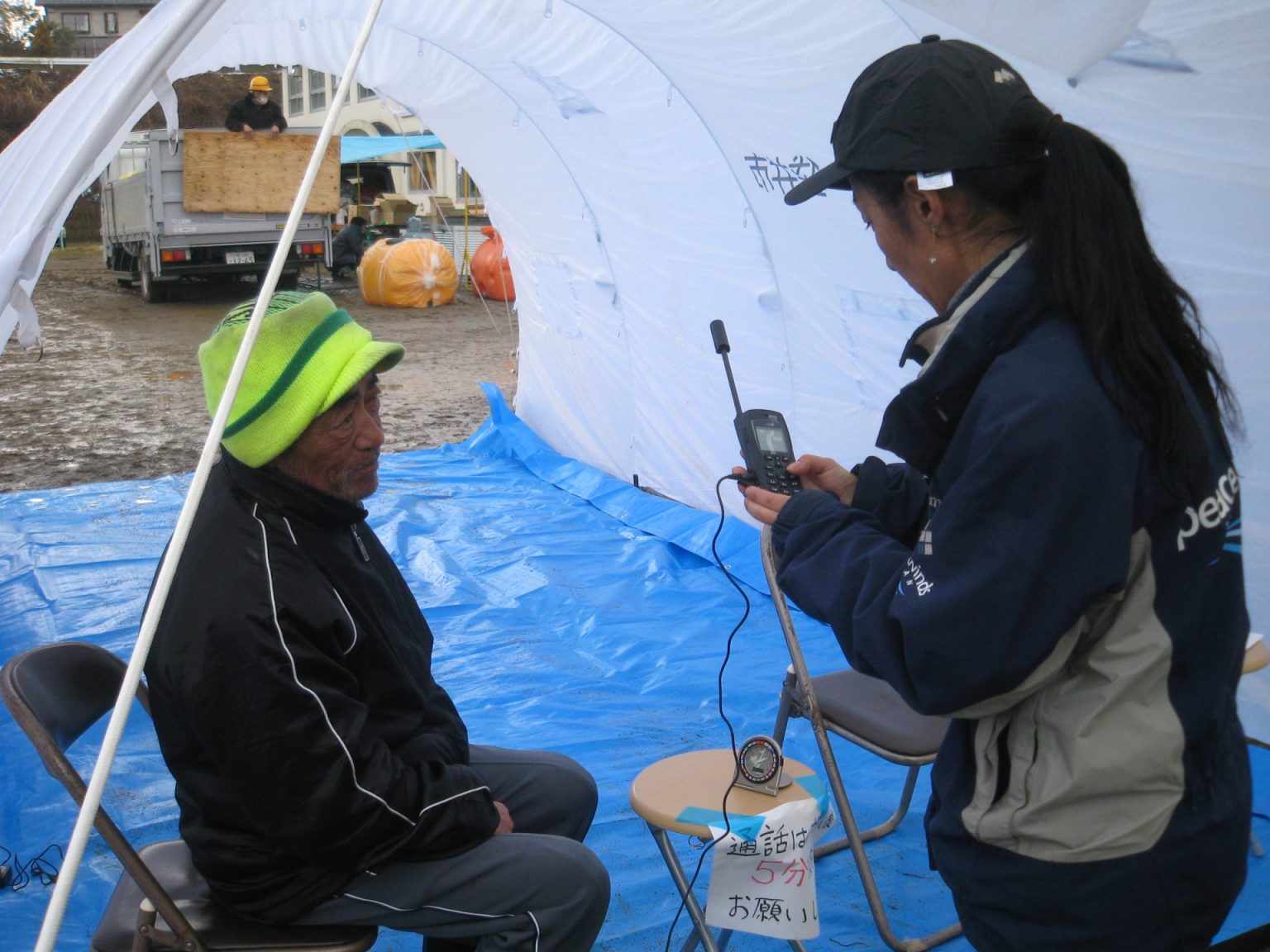

Rika Yamamoto helps set up satellite phone system in Kesennuma (March 16, 2011) (left) & at Rikuzentakata evacuation center (March 20, 2011) (right)
Within the first few months, Peace Winds delivered about 160 tons of supplies to 20,000 people living in evacuation centers and elsewhere. Much of the efforts were focused on the Sanriku Coast, which was difficult for other aid groups to reach.
As temporary housing units became available, some evacuees were hesitant to move into them because they could not afford the costs of things like utilities and everyday items. So Peace Winds provided heating equipment, small appliances, bedding, kitchenware, cleaning supplies, and other housewares to more than 20,000 people who had moved into temporary housing and privately rented homes.
Mari helped coordinate the distribution from Tokyo before first arriving in Tohoku in May.
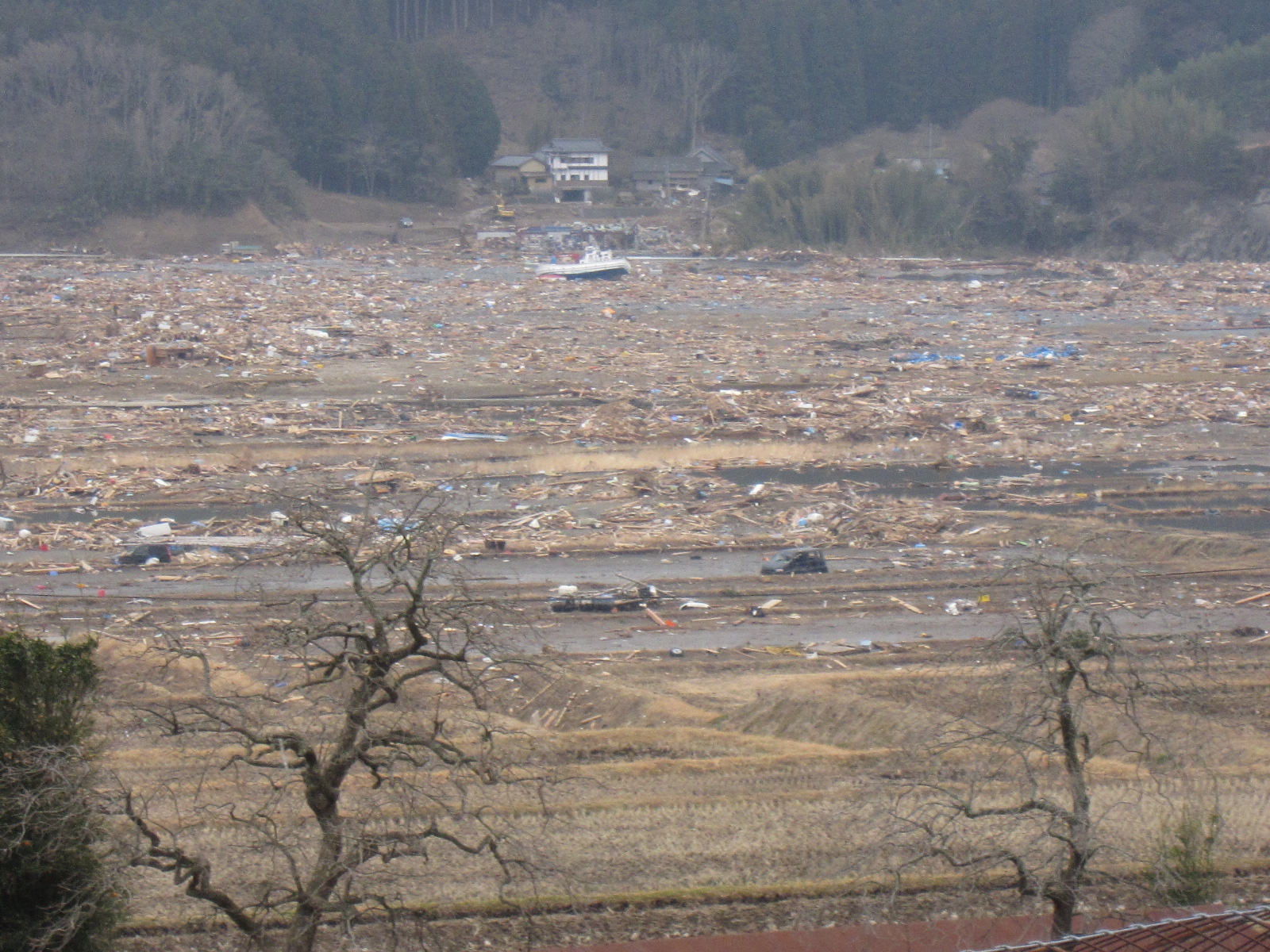
“I still vividly remember the shock I felt when I first saw the disaster area,” she says. “I was driving through the mountains when suddenly, a huge ship appeared in the forest. I was speechless, thinking, ‘What is this?’ It was more than 40 minutes away from the sea.
“I saw boats and cars scattered everywhere. It was truly a sight like nothing I had ever seen before. At the time, I couldn’t think about words like ‘reconstruction.’ All I could think was, ‘What’s going to happen now?’”
In the months and years that followed, Mari and her colleagues did support recovery and reconstruction, especially for fishermen and small business owners who were hit hard by the disaster. Peace Winds helped arrange vending trucks so they could stay open even without a storefront; provided residents with gift vouchers for local businesses; helped fund the reconstruction of shops; and provided equipment for local fisheries.
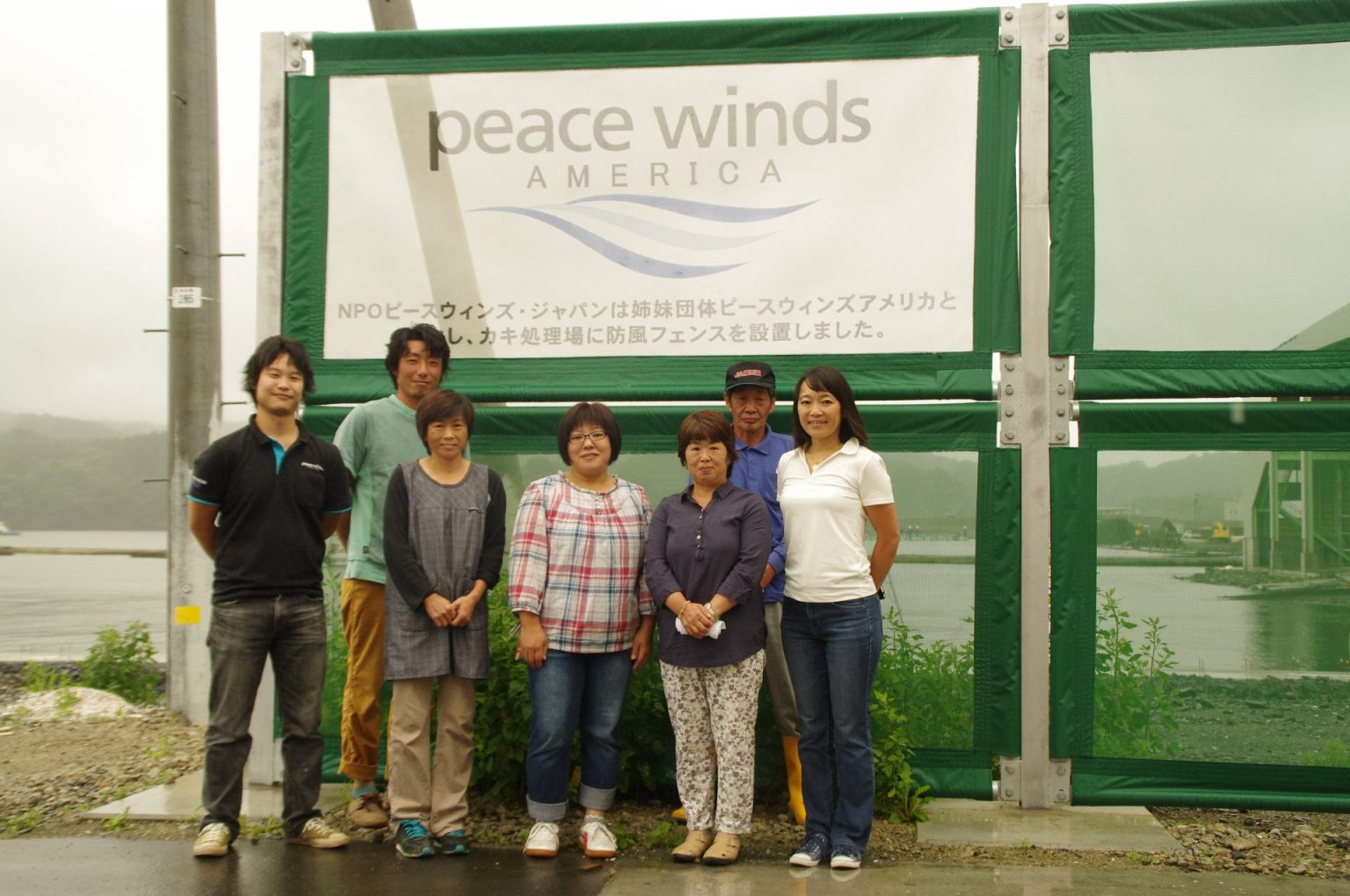
Mari says that the Tohoku disaster marked a turning point in her life.
“Everyone I worked with there–my colleagues, staff at partner organizations, the people I met–each and every one of those encounters is a lifelong treasure to me now. I learned so much from those experiences, and I feel like I am where I am today because of the people I met back then.

“Tohoku was truly my gateway to humanitarian aid,” Mari says. After a year and a half of working for PWA in Japan, she transferred to PWJ and spent 10 years as an expatriate aid worker in several countries affected by disasters and crises. Now, she primarily leads overseas programs in Asia.
Mari says that one thing that has remained constant for her is love for others. “Doing something for others can make a big difference. … The suffering of those who have endured great hardship is the same, whether it’s those I visited in Indonesia last week or those I visited [in Tohoku] 15 years ago. Even with all the advances in technology, there are still some things we can’t do, and I sometimes feel a sense of human powerlessness.
“But that’s exactly why I want to keep helping people. Even after 10 or 15 years, I want to hear them say, ‘Thank you for that time. I’m doing so much better now.’ If I can continue to support someone on their journey through life in that way, there’s no greater joy.”
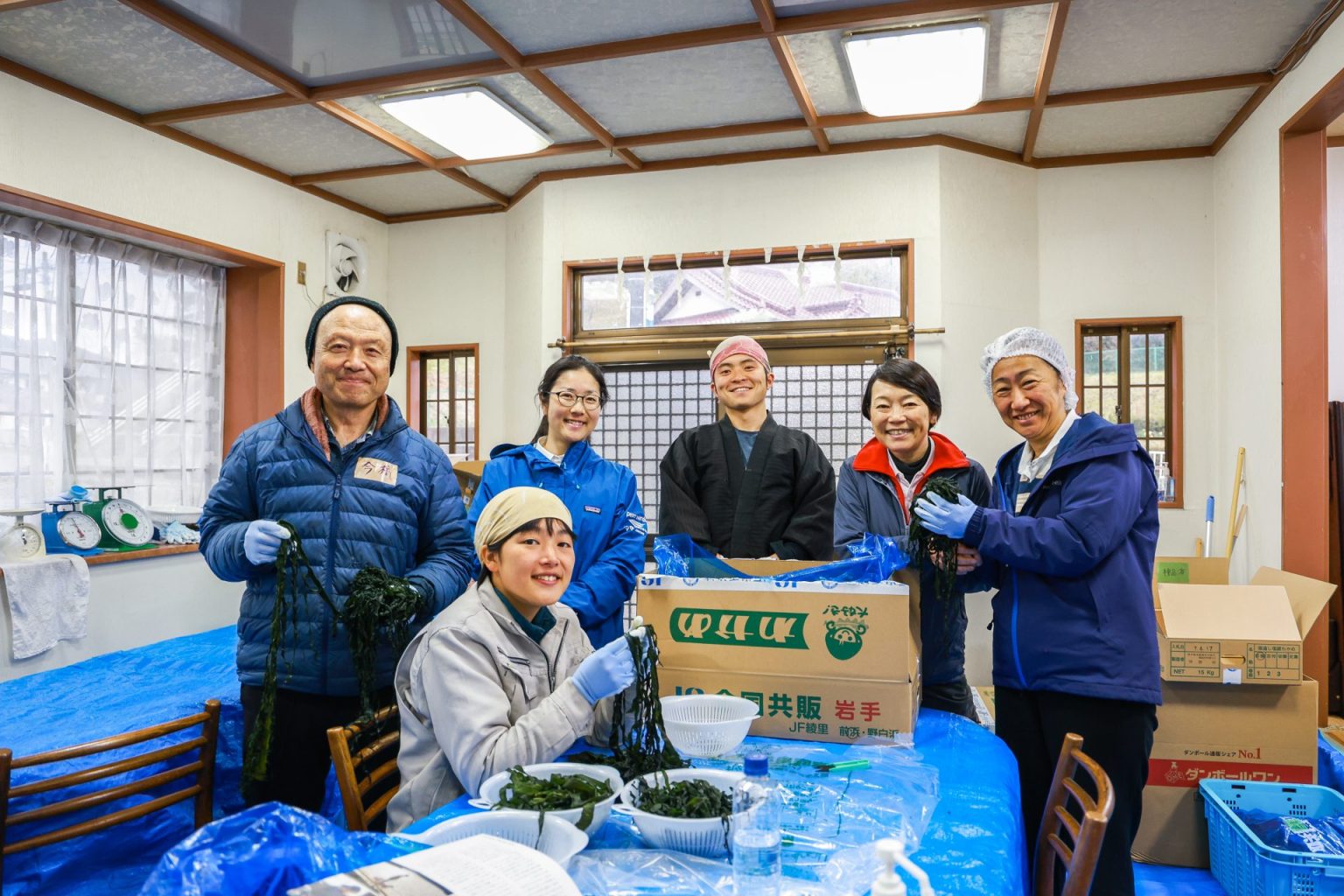
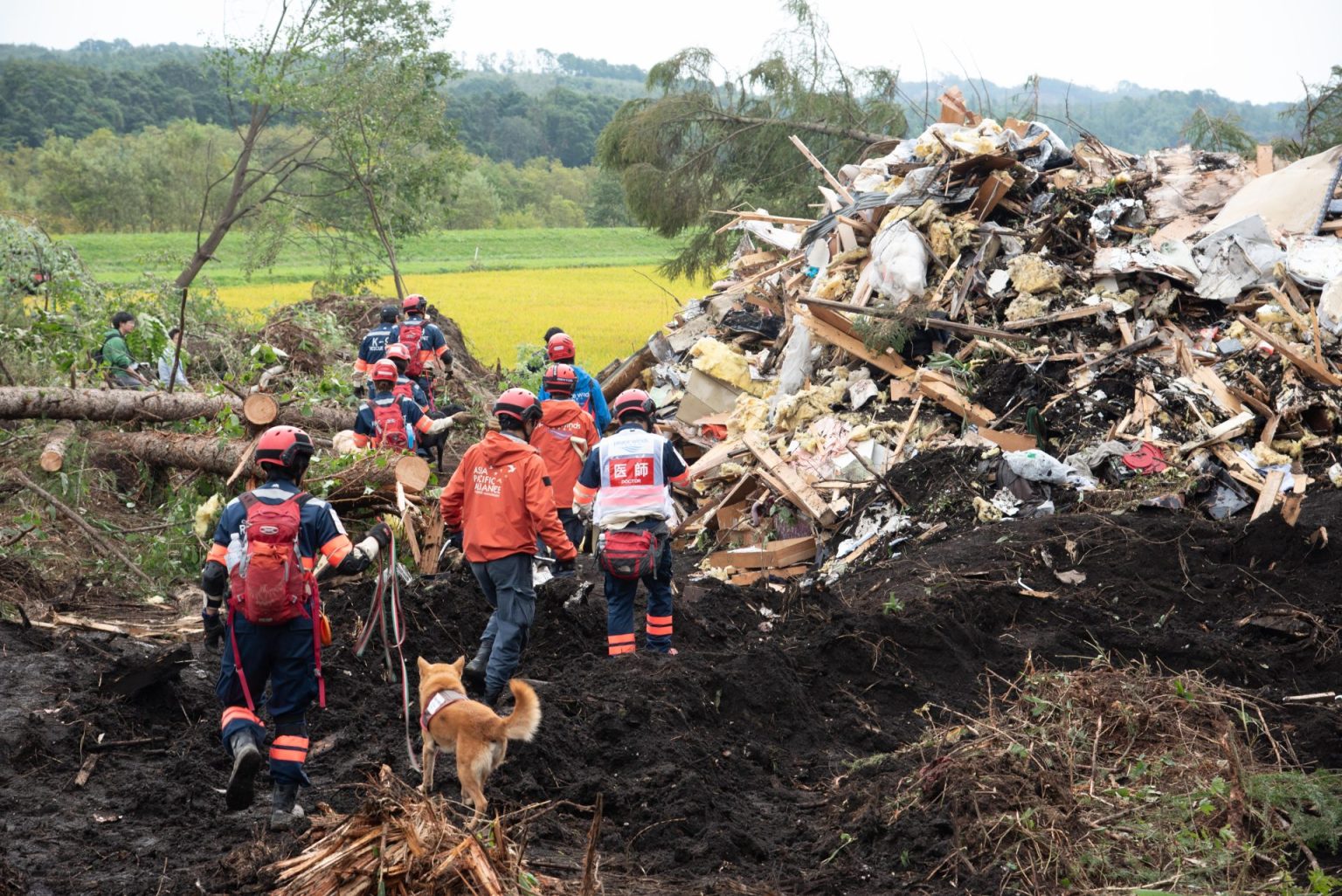
Peace Winds ended up operating a broad range of relief and recovery programs in the Tohoku region for nearly 15 years, only wrapping up activities in the past year. Peace Winds’ disaster response capabilities have also come a long way since 2011. Its ARROWS team consists of 20 full-time doctors, nurses, search-and-rescue experts–as well as helicopters, search dogs, and a disaster response ship. They work with other NGOs, governments, and the private sector to conduct drills and respond to disasters in Japan and internationally.

Still, Rika says that she and her colleagues are always looking for ways to improve, both when it comes to disaster response in Japan and humanitarian aid around the world.
“What I value most is ‘partnership,’ where we overcome challenges together, rather than a one-sided hierarchical relationship of ‘supporter and recipient.’ We shouldn’t be satisfied if only we and those around us are okay; we should imagine that there are people who are different from us and accept those differences without excluding them. I’d like to build a warm and inclusive society like that.”