Continuing Emergency Relief Two Months after Philippines Disasters
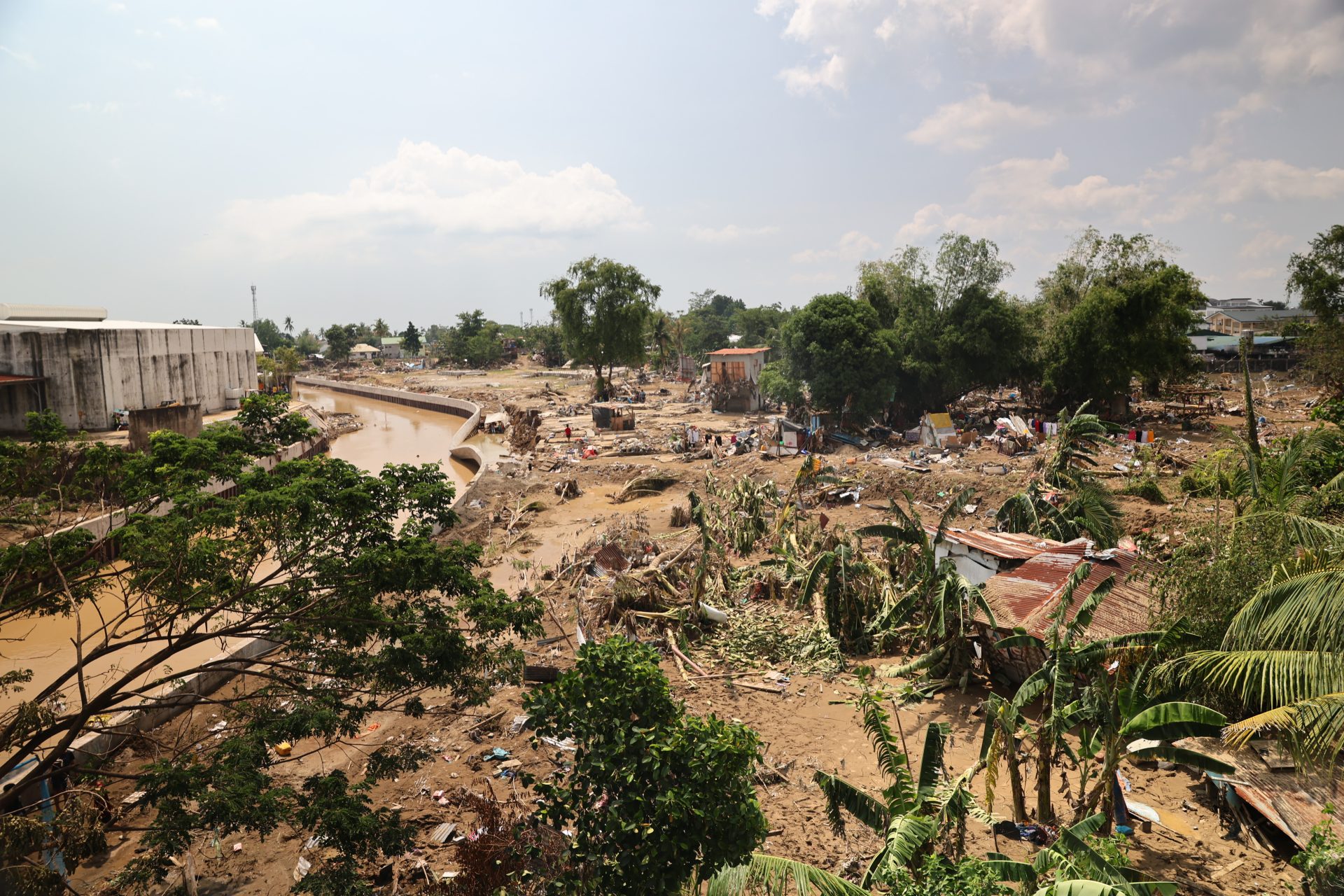
Typhoon Kalmaegi made landfall in the Philippines more than two months ago. Cebu Island was already grappling with the aftermath of a deadly 6.9 magnitude earthquake, so heavy rainfall on loose ground caused flooding and landslides that devastated mountainous areas.
Peace Winds’ emergency disaster team responded immediately by conducting needs assessments and providing emergency assistance. In November and December, staff distributed emergency supplies, including medications and medical supplies, at evacuation centers and field clinics.
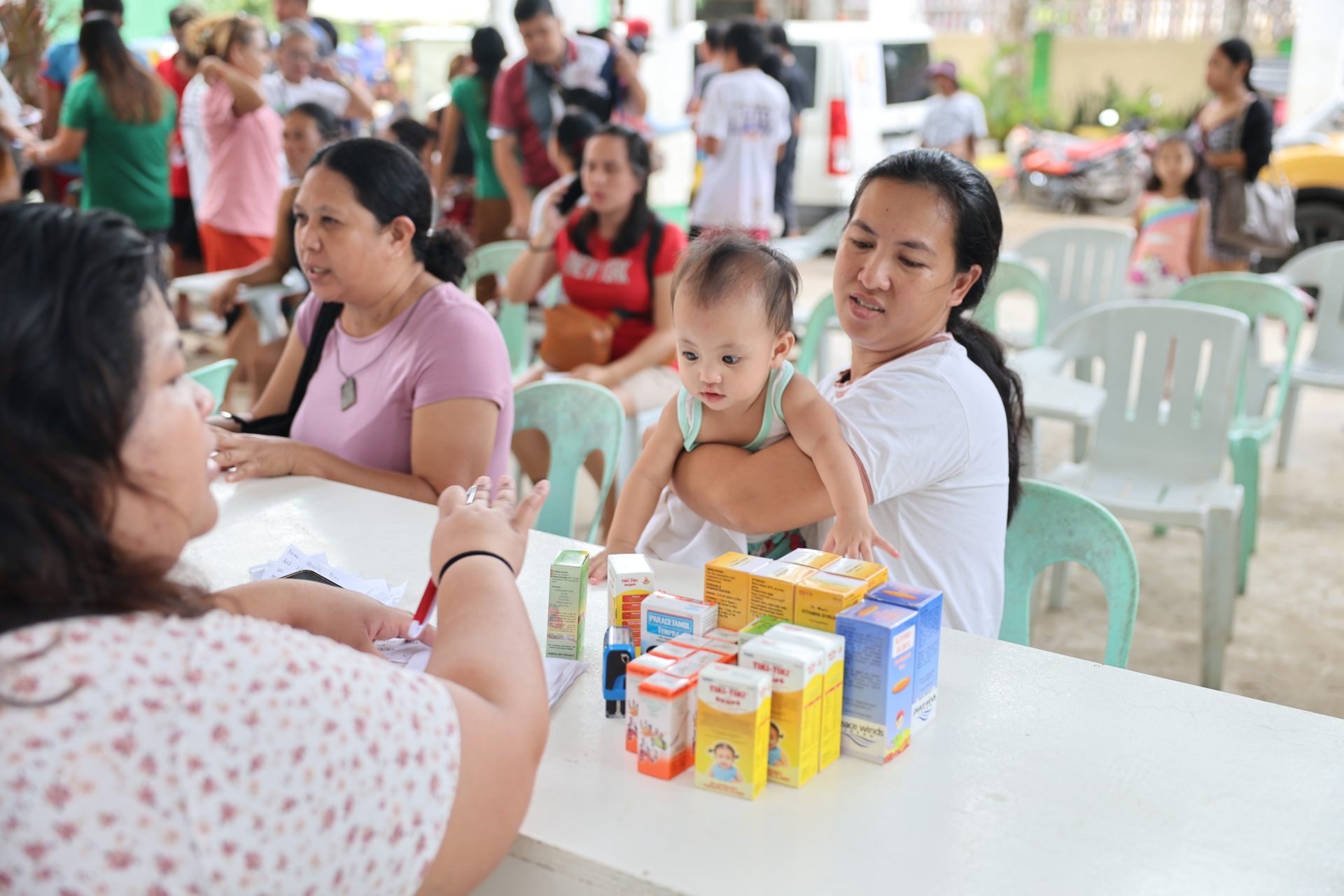
“There are so many pressing needs at this time,” said a nurse who was in charge of running one evacuation center. “But even so, basic health is one of the most important.”
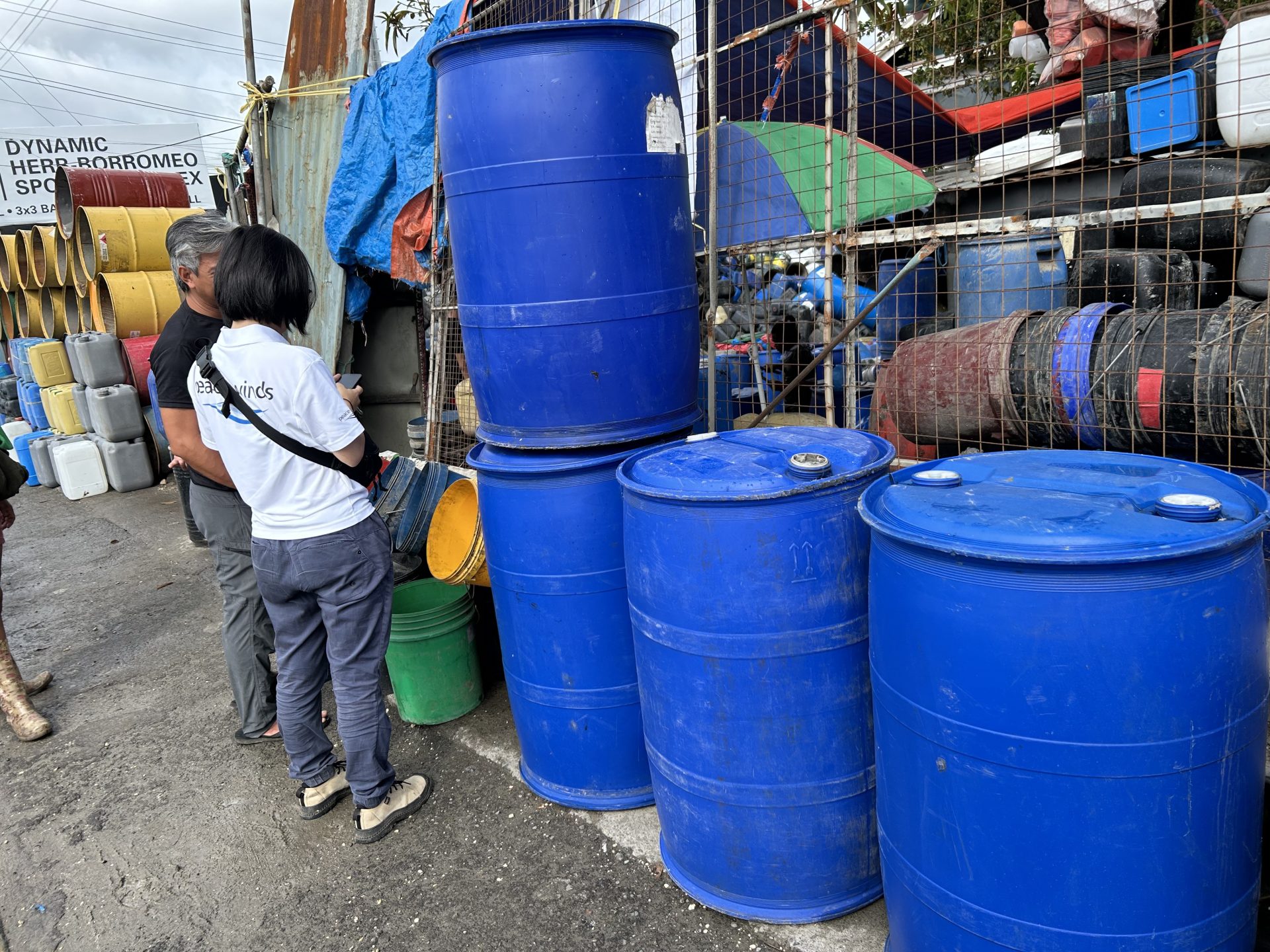
Peace Winds also found that water storage tanks were an urgent need in areas where wells had been destroyed. Although the City of Talisay made rounds to shelters with trucks of clean water, people were often unable to collect it during the allotted time frame. Having extra storage tanks allowed residents to access clean water for drinking, bathing, and laundry even outside of scheduled delivery times.
In rural areas with unpaved roads, emergency aid was particularly slow to reach survivors. So Peace Winds and its partners coordinated with mayors and community leaders to deliver clean water to two small villages in need.
Residents who received the water thanked Peace Winds staff, telling them, “we were worried about the unsanitary conditions. We couldn’t get enough water, and not only to drink but even to wash our hands.”
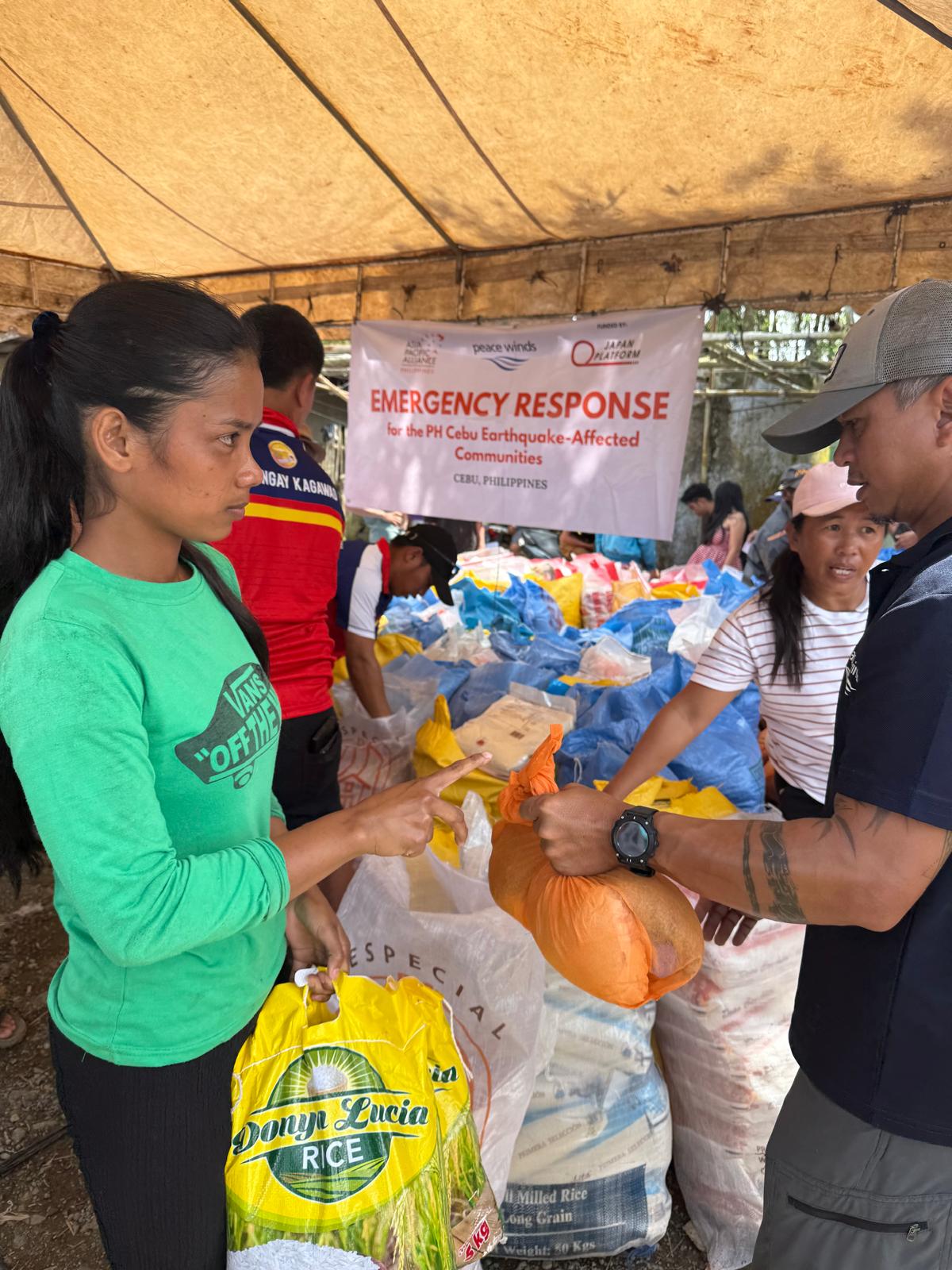
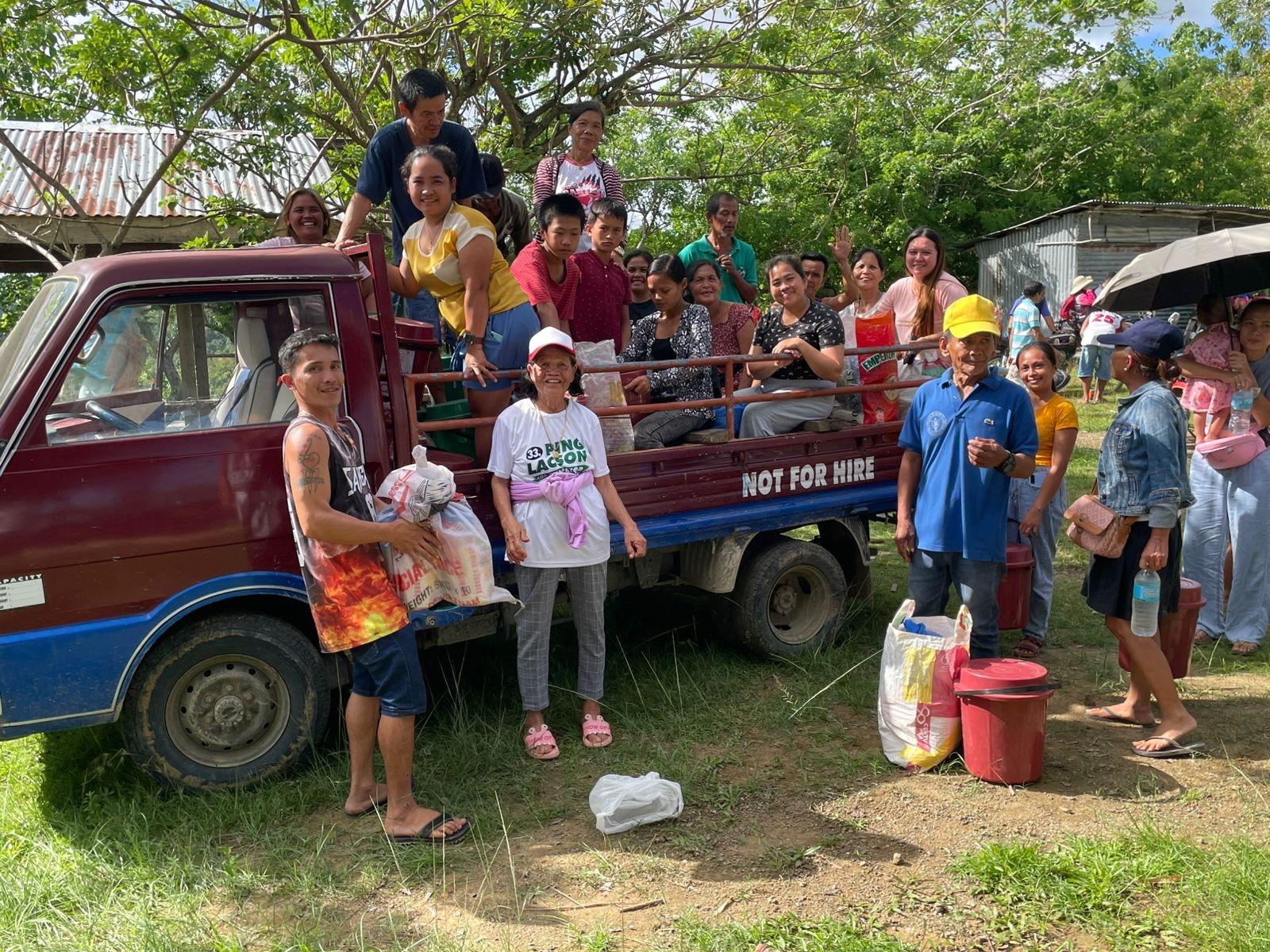
Now, Peace Winds and its partners are working to deliver food and hygiene supplies to several villages in Balamban, a municipality on Cebu’s west coast. Many people here lost everything, including their farmland and crops that were ready for harvest. Just to survive, they were forced to feed their families with what little crops were left, which were supposed to be their source of income.
“Since we have lost our income, we tend to put off buying hygiene products,” residents told us. “So we are grateful for these. Little by little, we feel like we can get our lives back to normal.”
Many people in the Cebu disaster zone continue to live in tents with only the clothes on their backs. As they begin the long road to recovery, Peace Winds will continue to provide emergency support to the hardest hit communities.