Five Years Since Myanmar Coup: Meeting Ongoing Needs for Displaced Families
February 1 marked five years since the military coup in Myanmar, which triggered a bloody civil war and devastating consequences for civilians. Some 5.2 million people have been displaced from their homes. Many are fleeing bombing raids as fighting continues between government forces, ethnic minorities, and pro-democracy armed groups. Others are impacted by high rates of food insecurity and financial hardship.
“When younger brothers and sisters come to talk to me or ask for advice, I hear in their voices that their sense of future and energy is fading away,” one Peace Winds staff member says. “Some of them couldn’t even properly finish high school, and they are left wondering what they should do next with their lives.”
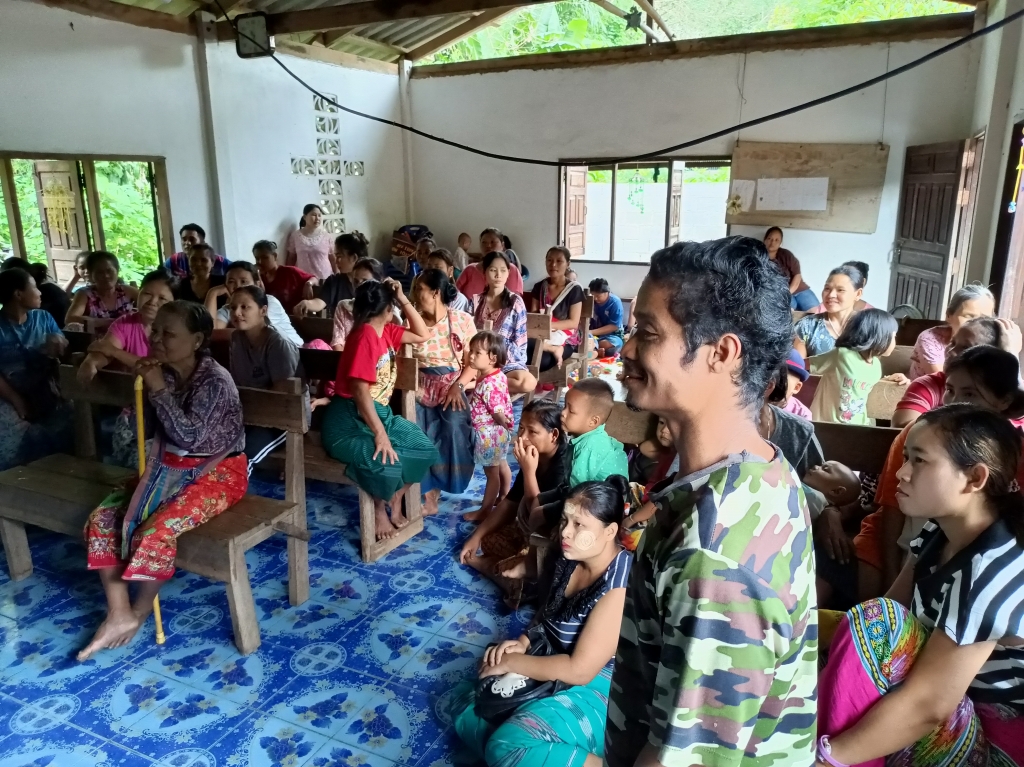
Parents are doing their best to give their children a chance at a brighter future. Many families have fled from Myanmar to villages on the other side of the Thai-Myanmar border. Some have lived here since fleeing long-running conflicts in Myanmar as many as 50 years ago, but large numbers have arrived since the coup in 2021.
Despite being Myanmar’s next-door neighbor, Thailand’s language and culture are quite different. This, combined with strict limitations on what undocumented migrants can legally do and rural villages’ limited access to services like healthcare and education, can contribute to feelings of isolation and socioeconomic disadvantages for migrant families. In many cases, parents are not able to register their children when they are born, leaving them “stateless” and unable to go to Thai schools or access complete healthcare.
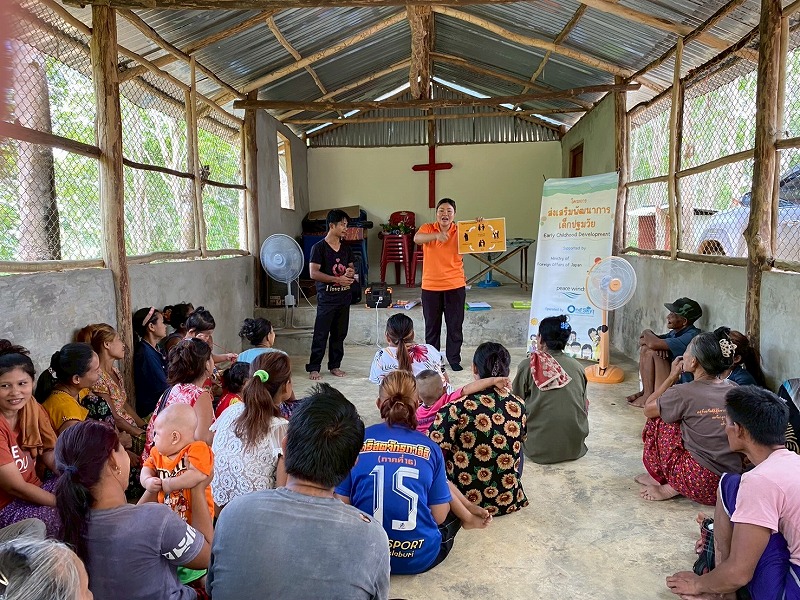
Along with local partners, Peace Winds runs a training program for volunteers who lead workshops and consultations for Burmese migrant parents. They help them navigate a wide range of issues, from birth registration, school enrollment, and vaccinations to parenting challenges, children’s rights and child abuse, and contraception.
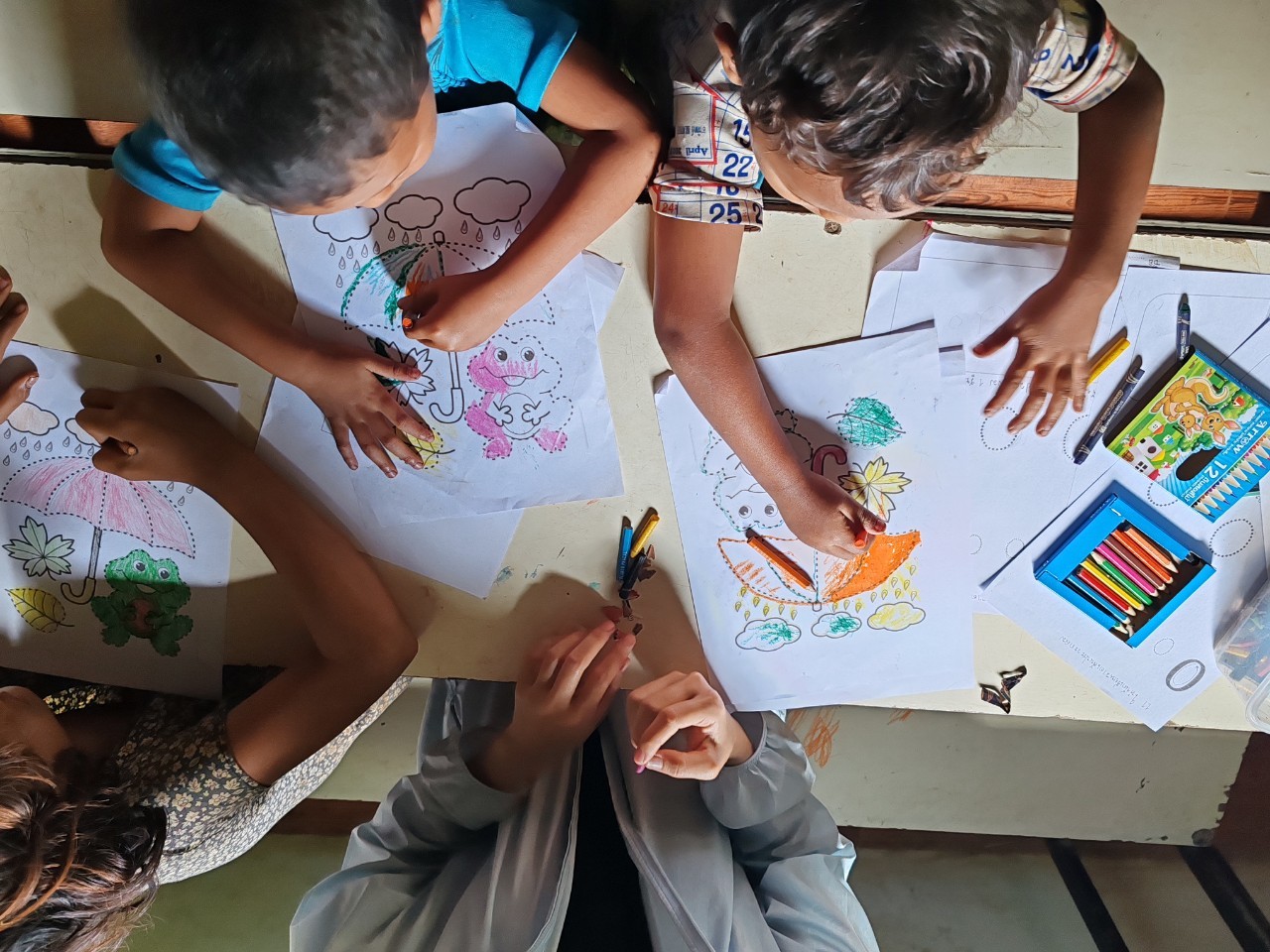
Children also attend fun, educational classes while their parents participate. And families receive food packages to ensure that workshops don’t prevent them from affording meals if parents need to miss a day of work.
These workshops provide more than just practical knowledge; they allow participants to share their experiences and support one another. Volunteers become trusted mentors, and when parents need extra help, volunteers can refer them to other support services.
“What I’ve been reflecting on all this week is how crucial mental health is,” says Peace Winds’ staff member, “and how important it is that we care for and protect it.”
In other cases, parents in Myanmar make the difficult decision to keep their children safe from violence and conscription by sending them across the border to Thailand unaccompanied. They cannot easily enroll in Thai schools, so children often attend informal community schools for migrants, called “migrant learning centers.”
Schools struggle to meet growing numbers of students in need, which means that supplies are often limited and living conditions are less than ideal. With your support, Peace Winds has been working to fill some of these gaps by installing water purification systems, providing hygiene kits, helping schools cover utility costs, and supplementing meals provided by the schools with hot lunches. We have also provided much-needed school supplies, including Thai language textbooks, so that students have a better chance at success and integration in Thai society.
This crisis is creating immense hardship for Myanmar’s families, but your donations go a long way in helping us meet some of their needs. We are so grateful for the support you continue to show us and the people of Myanmar.