Help Us Provide Health Care to Sudanese Refugees
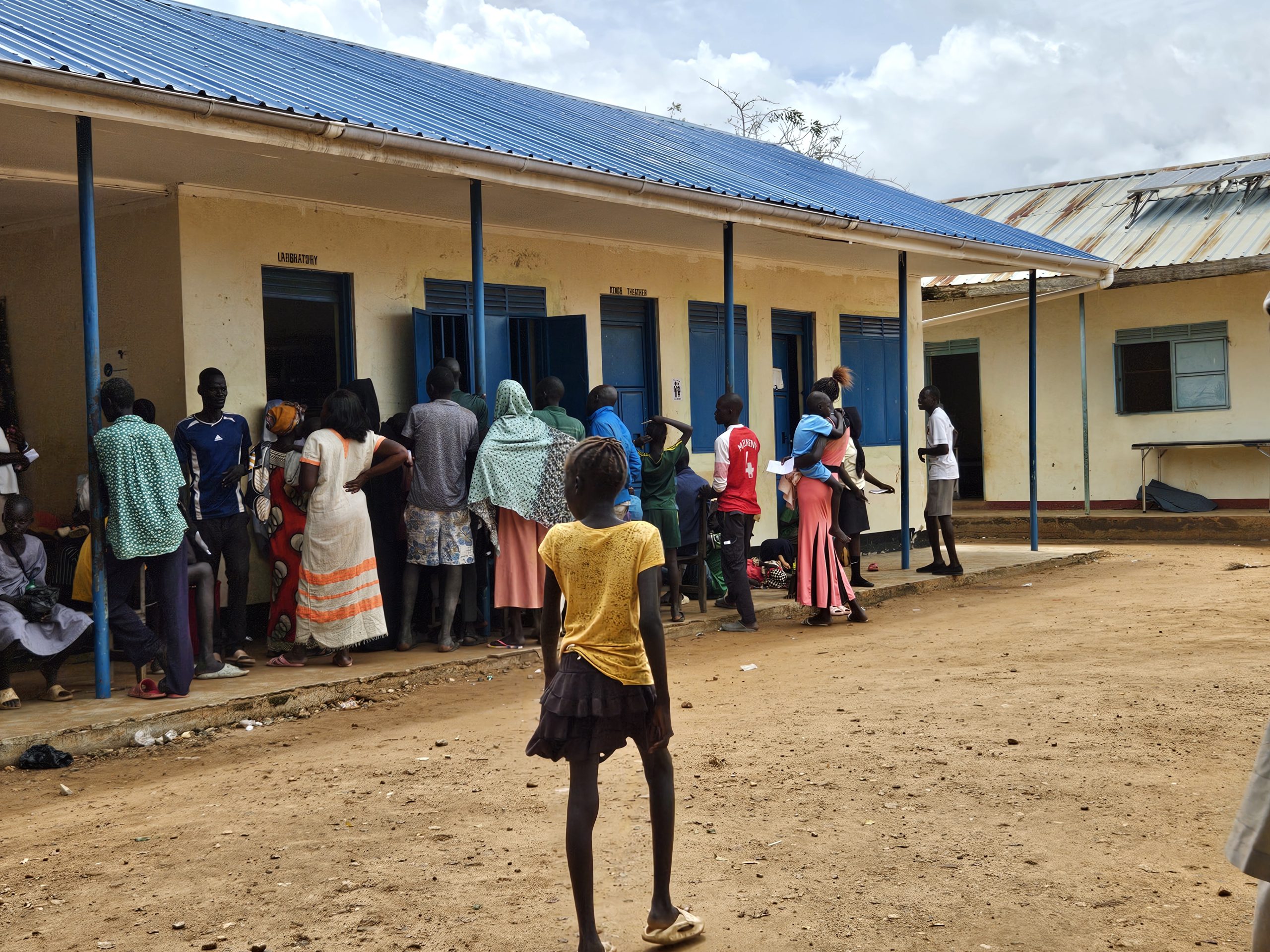
Peace Winds was recently asked to take over running the only primary health clinic that serves more than 27,000 people–22,500 refugees and 5,000+ local community members–in and around South Sudan’s Gorom Refugee Settlement. Despite the best efforts of nurses and other staff, Gorom Primary Health Care Center is stretched dangerously thin, making it difficult for children and adults to receive adequate primary care. Those who can see a provider often face long wait times and medication shortages. Peace Winds is asking for donations to expand care for individuals and families who have already been through so much.
Gorom Refugee Settlement is home to refugees who recently fled the brutal civil war in Sudan, as well as residents who arrived earlier from Ethiopia, the Democratic Republic of Congo, and other countries. The settlement was built in 2010 to accommodate about 2,500 people; however, a rapid influx of Sudanese refugees in the past two years has swelled it to nearly 10 times its capacity. This means that basic services, including healthcare, are being pushed to their limits. To make matters worse, cuts to U.S. foreign assistance are accelerating the crisis.
Cholera prevention and treatment is one area that is suffering after an outbreak reached the Gorom community earlier this year. Although treatment is relatively simple, already-overwhelmed nurses at the clinic are making do with limited resources. There is a shortage of IV infusion sets for serious cases, and the clinic does not have sufficient staffing to treat patients infected with cholera or educate the community on how to prevent it. The result is an increased risk of disease spread for a population that is already at risk.
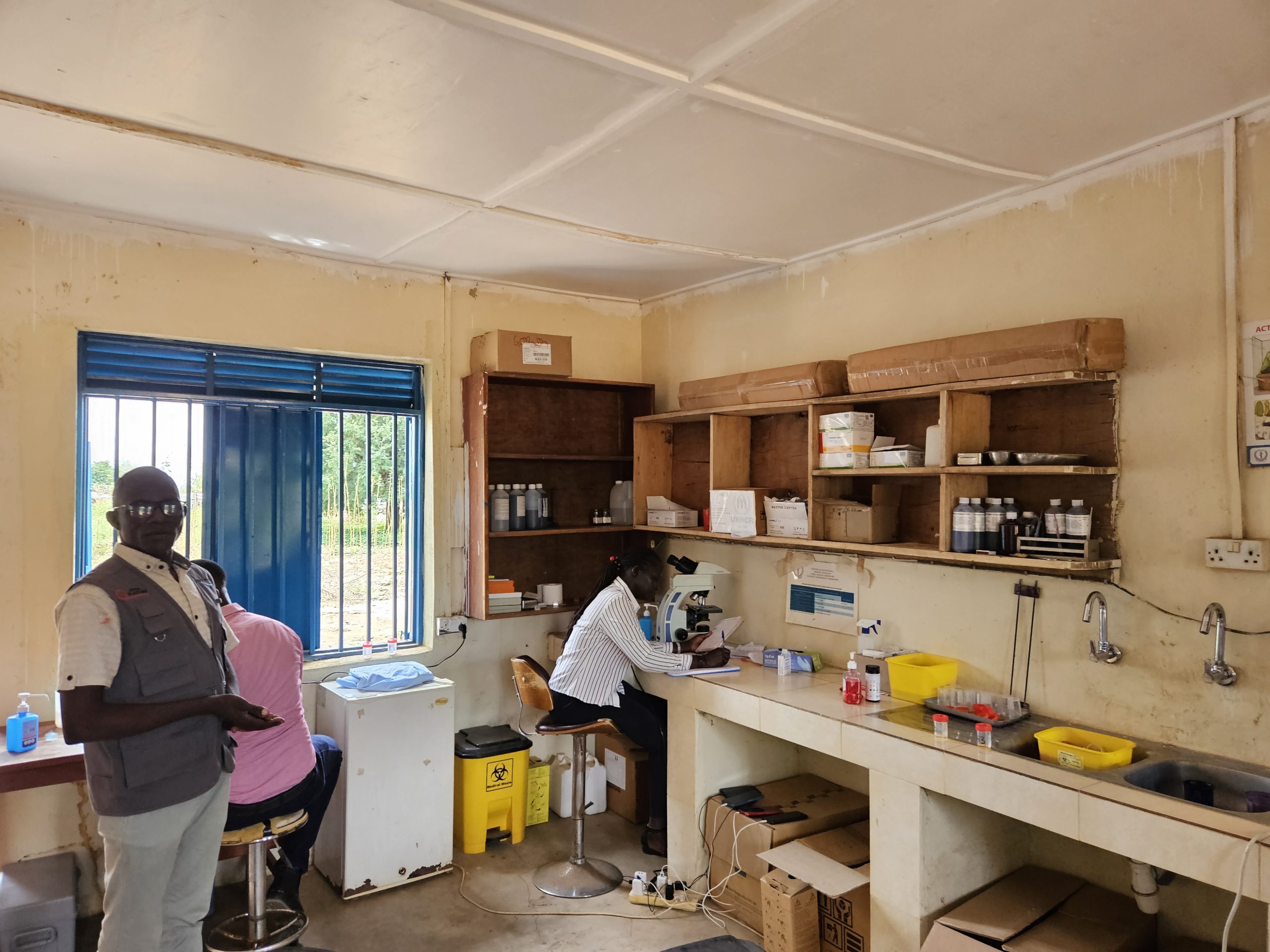
Pregnant women are another at-risk group. Because the clinic can only afford to employ one midwife, patients do not have access to 24/7 care. This is especially dangerous for Sudanese refugees, who are more likely than others to experience risky pregnancies, with higher rates of preeclampsia and a greater likelihood they will need C-sections. Malaria is also common in the area, and it threatens the lives of mothers and their babies. Other patients have limited access to pre- and post-natal care, family planning support, and STI testing and treatment.
Adults and children have arrived at Gorom Refugee Settlement in need of specialized care after making the physically and emotionally taxing journey from their home country. New and long-term residents alike desperately need psychosocial support to cope with the trauma they have experienced, but Gorom’s only health care facility does not have the ability to provide it.
Gorom Primary Health Care Center is not the only health facility being impacted by cuts to U.S. foreign aid. Providers at the clinic are also treating displaced South Sudanese patients who are traveling from at least ten miles away. This means that funding cuts have caused other nearby clinics to dramatically reduce their services or shut down entirely.
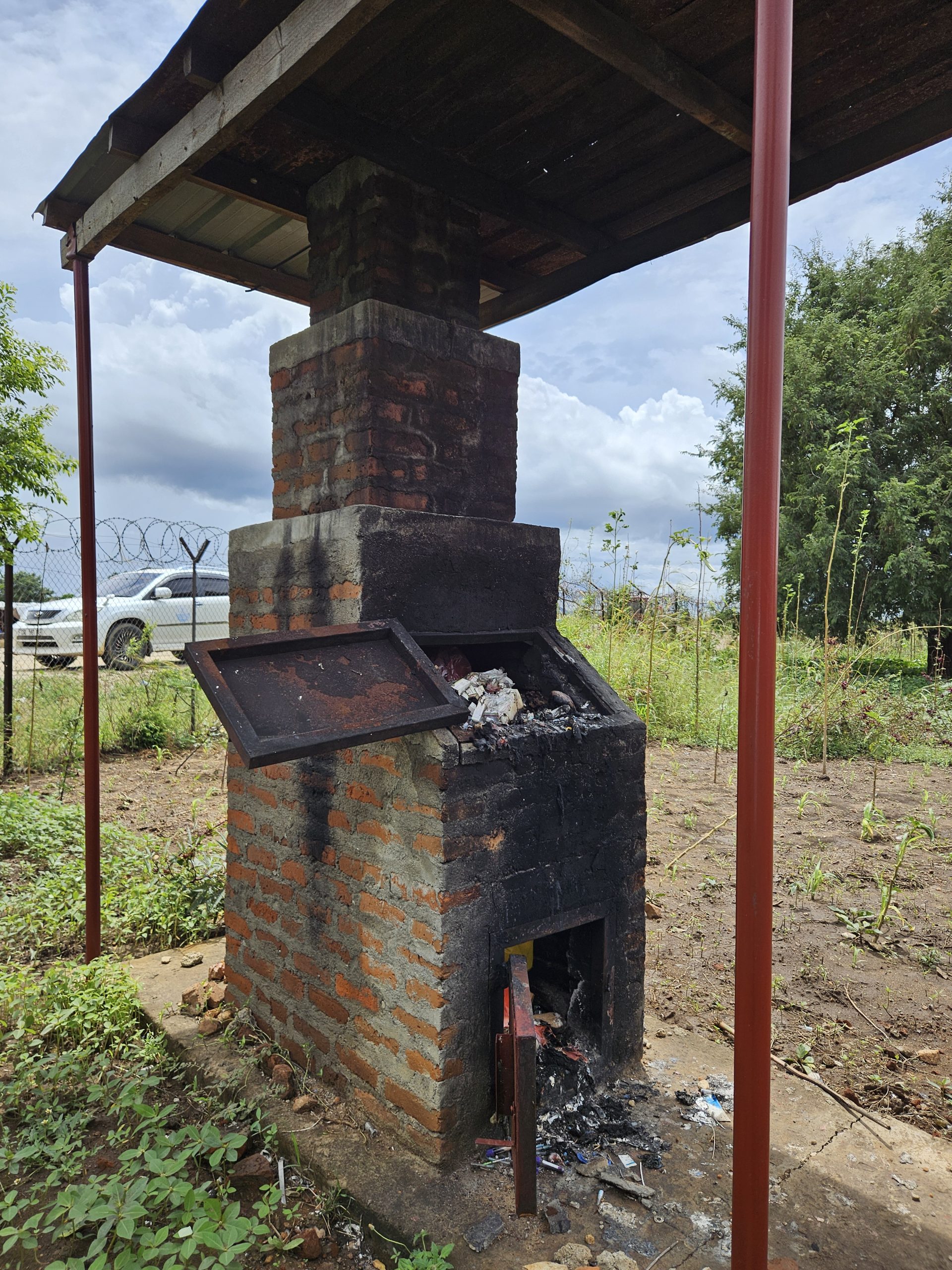
Peace Winds is doing everything possible to provide adults and children in the Gorom community with the care they need, but we are asking for your help to improve the situation at Gorom Primary Health Care Center. Donations will help stock the clinic with critical supplies, such as medications, IV infusion sets, cleaning supplies, and testing kits for preventable diseases. They will contribute to salaries to ensure that existing staff are fairly compensated and that new providers, such as an additional midwife, a doctor, nurses, and a mental health provider, can be brought on board. And they will help us repair and maintain the clinic’s sanitation facilities, including the latrine for the cholera ward and the clinic’s medical incinerator.
Most of the challenges that Gorom is facing are preventable, and with your help, we can save lives. Thank you for joining us as we work to ensure this basic human right for families in need.