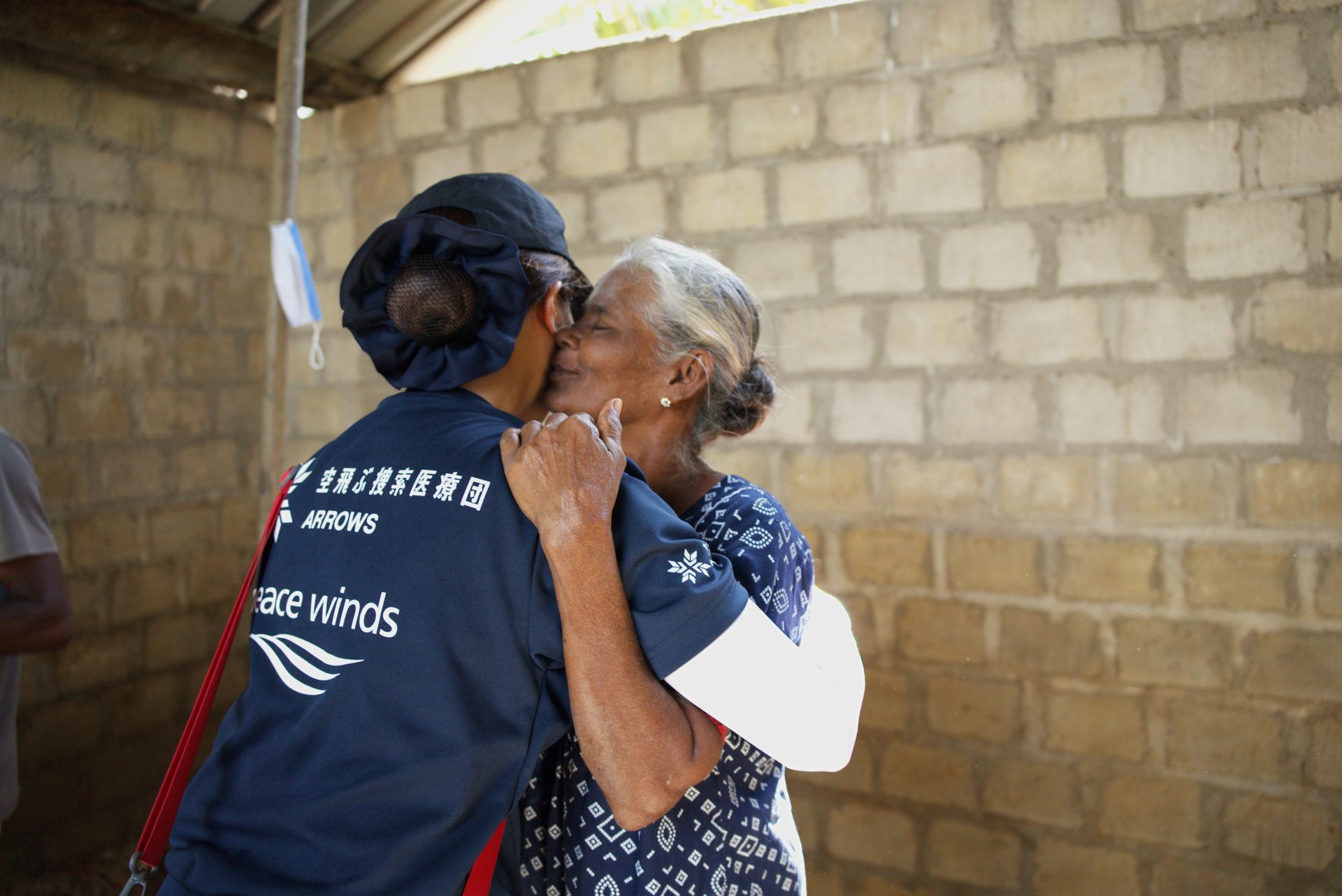
Getting Emergency Relief to Isolated Communities in Sri Lanka
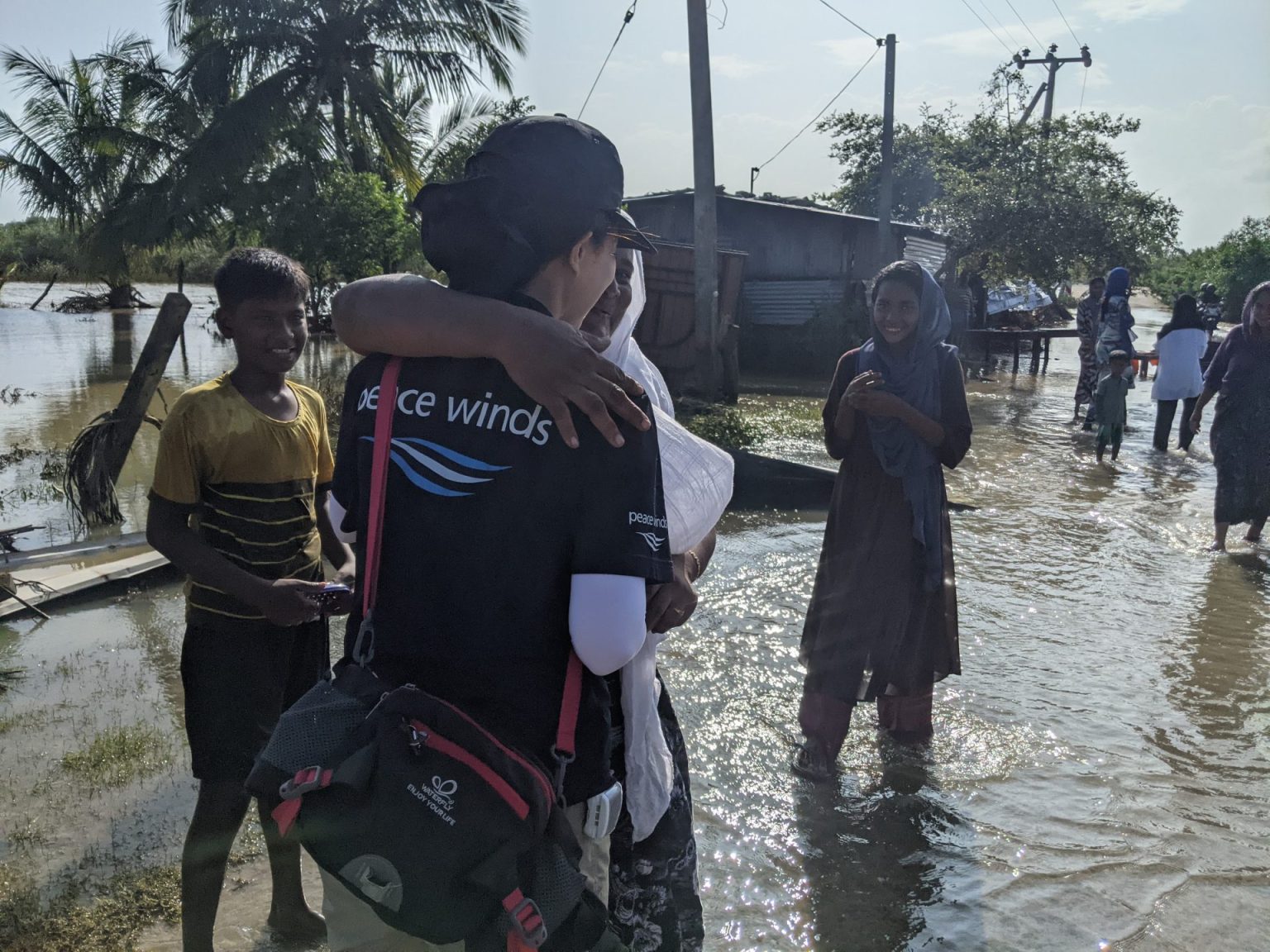
Peace Winds has been supporting communities devastated by Cyclone Ditwah since it hit Sri Lanka a little over one month ago. The storm and subsequent flooding killed more than 640 people and left 107,000 homes damaged or destroyed. Peace Winds staff in Sri Lanka responded immediately by conducting emergency needs assessments, and our teams continue to distribute food and supplies to families in the hardest-hit areas.
Immediately after the disaster, local staff members based in Sri Lanka began assessments and distribution. They were joined shortly after by a Peace Winds disaster response team, including medical personnel.
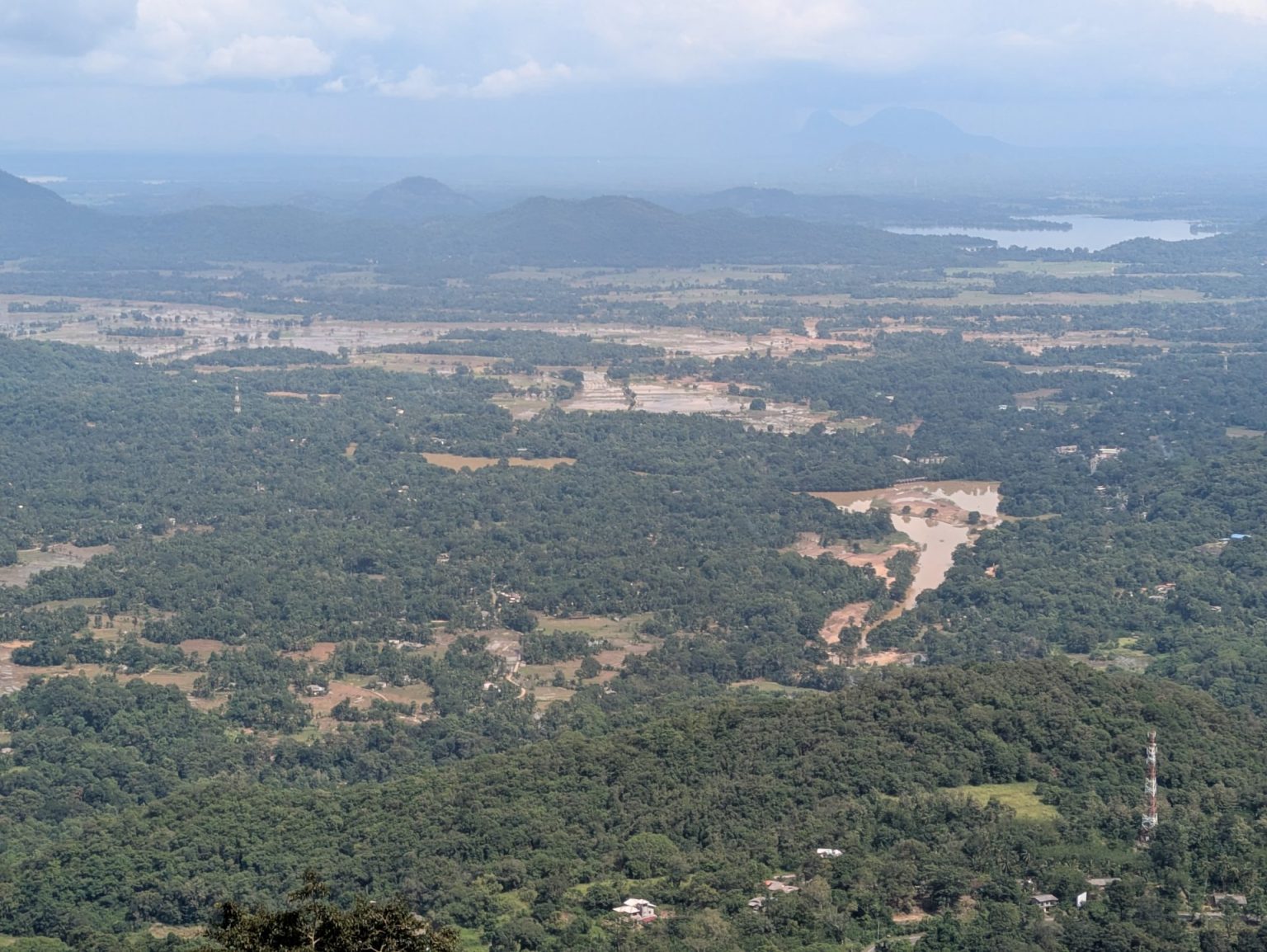
Heavy rains in November and December caused the Mahaweli River, the island’s largest drainage channel, to overflow, causing widespread flooding. Many people not only lost their homes but also their livelihoods when large areas of farmland were almost completely destroyed. In mountainous areas, massive landslides occurred frequently. The fact that so many houses are set on these slopes contributed to the number of lives lost.
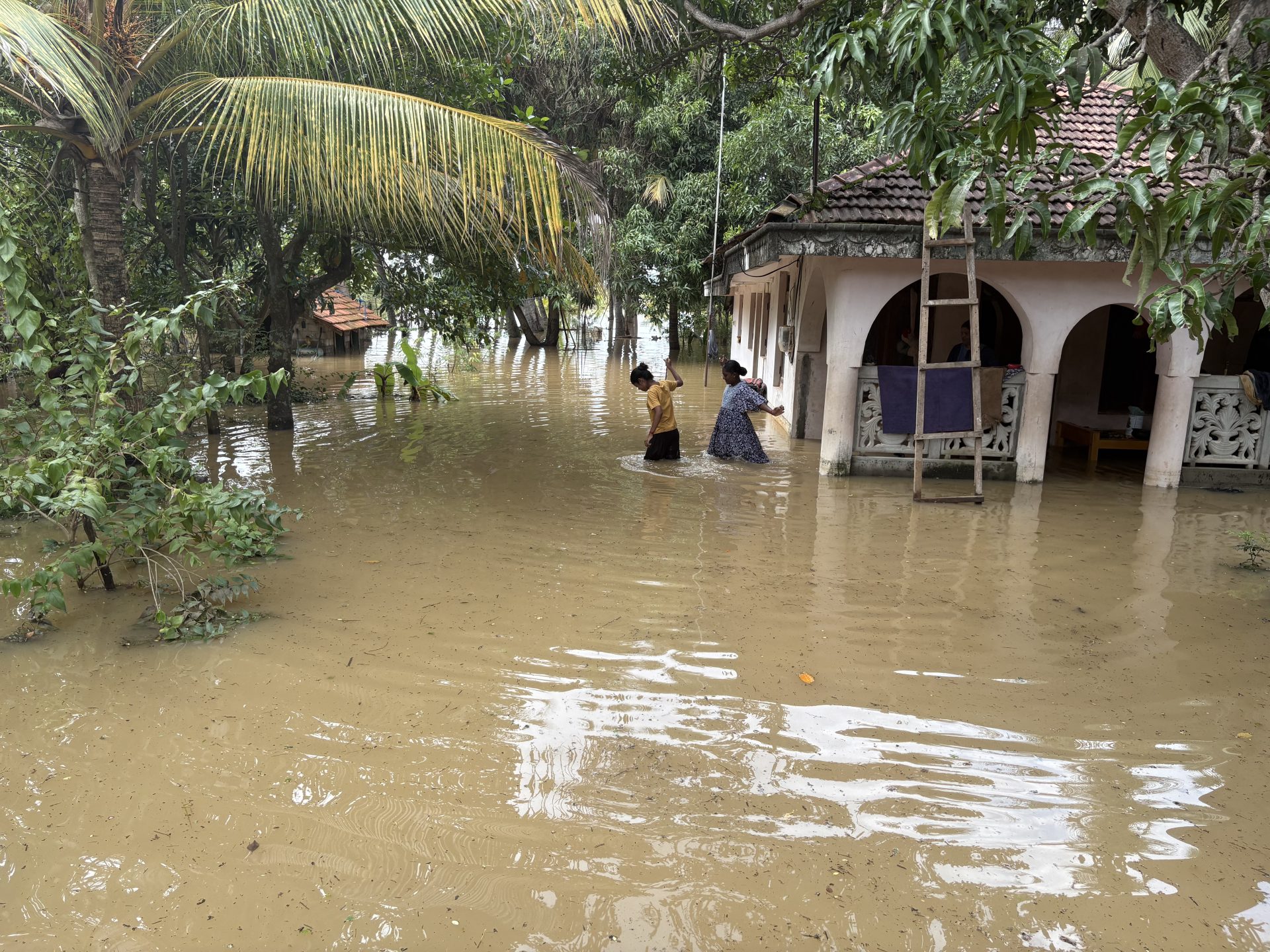
At the height of the disaster’s aftermath, 1.2 million people were in need of humanitarian assistance. Some people continued to live in their flooded homes as waters remained high one week later. They told Peace Winds staff that they could not survive if they had to give up their livestock, the only assets they had left, after their crops were destroyed.
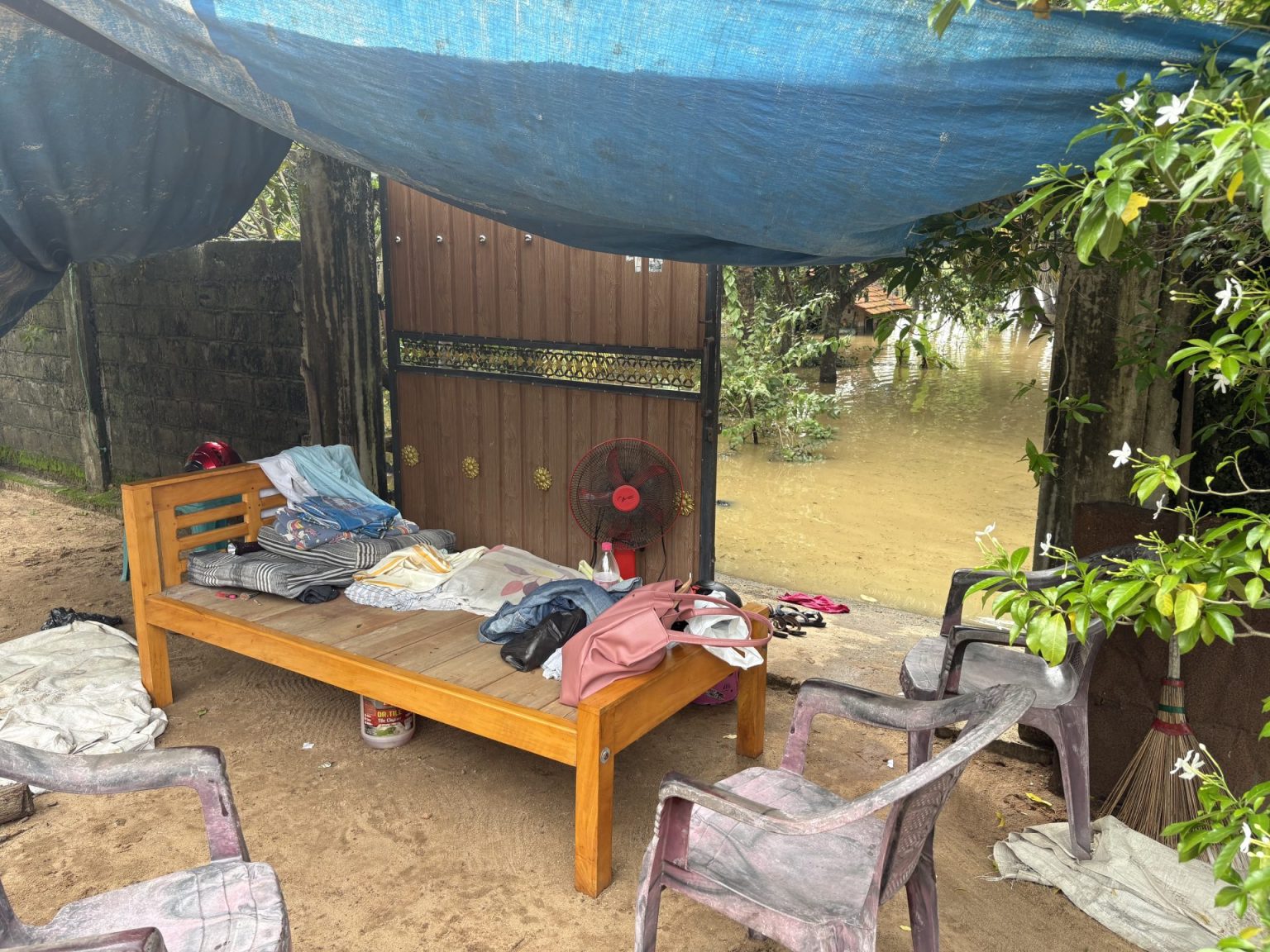
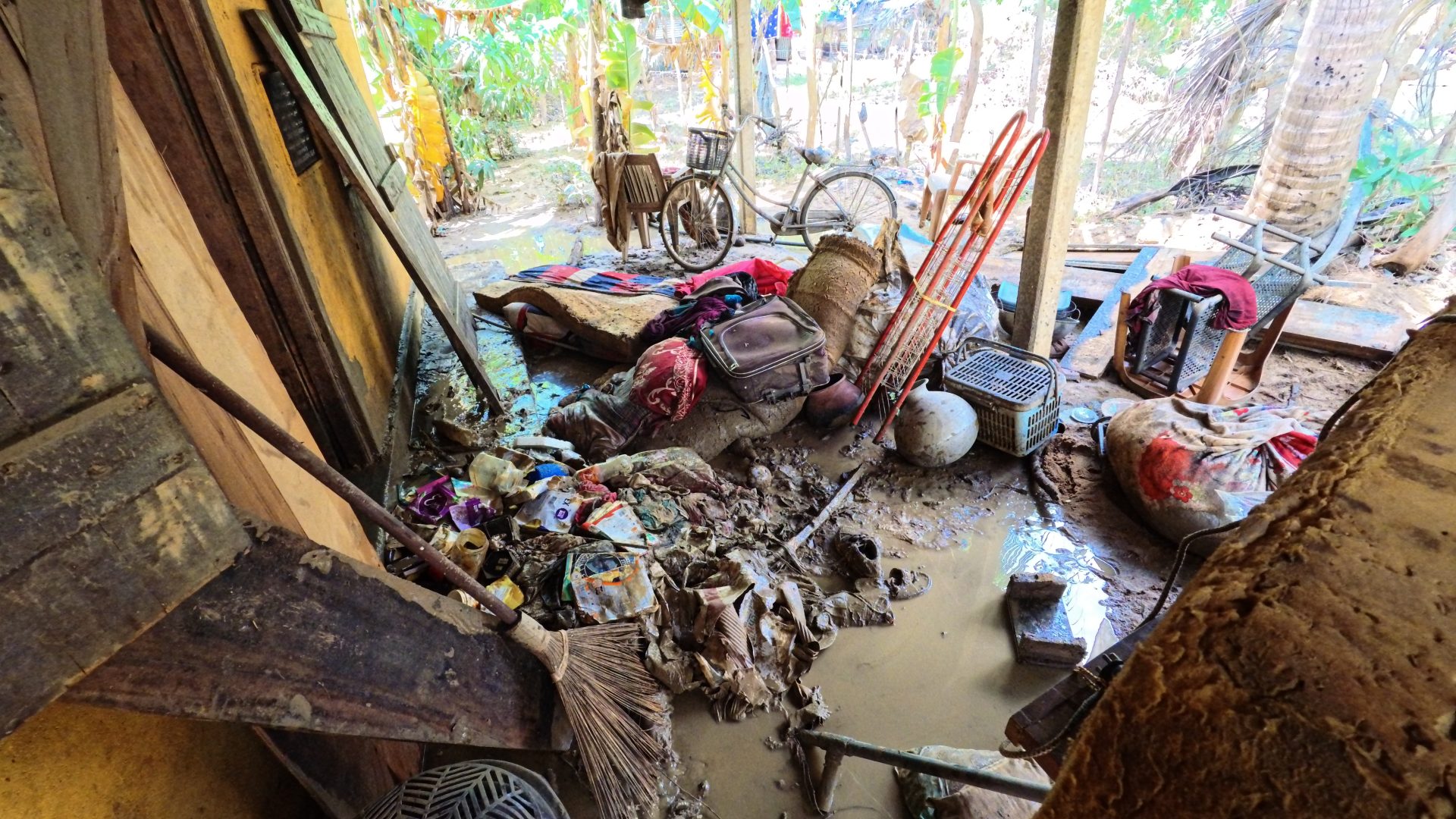
Peace Winds staff found that while some areas were receiving food and emergency supplies, other survivors in isolated areas had been left out of large-scale relief efforts. So our teams worked with local partners to deliver supplies in as many areas as possible, including isolated villages, to ensure that aid reached those who needed it most.
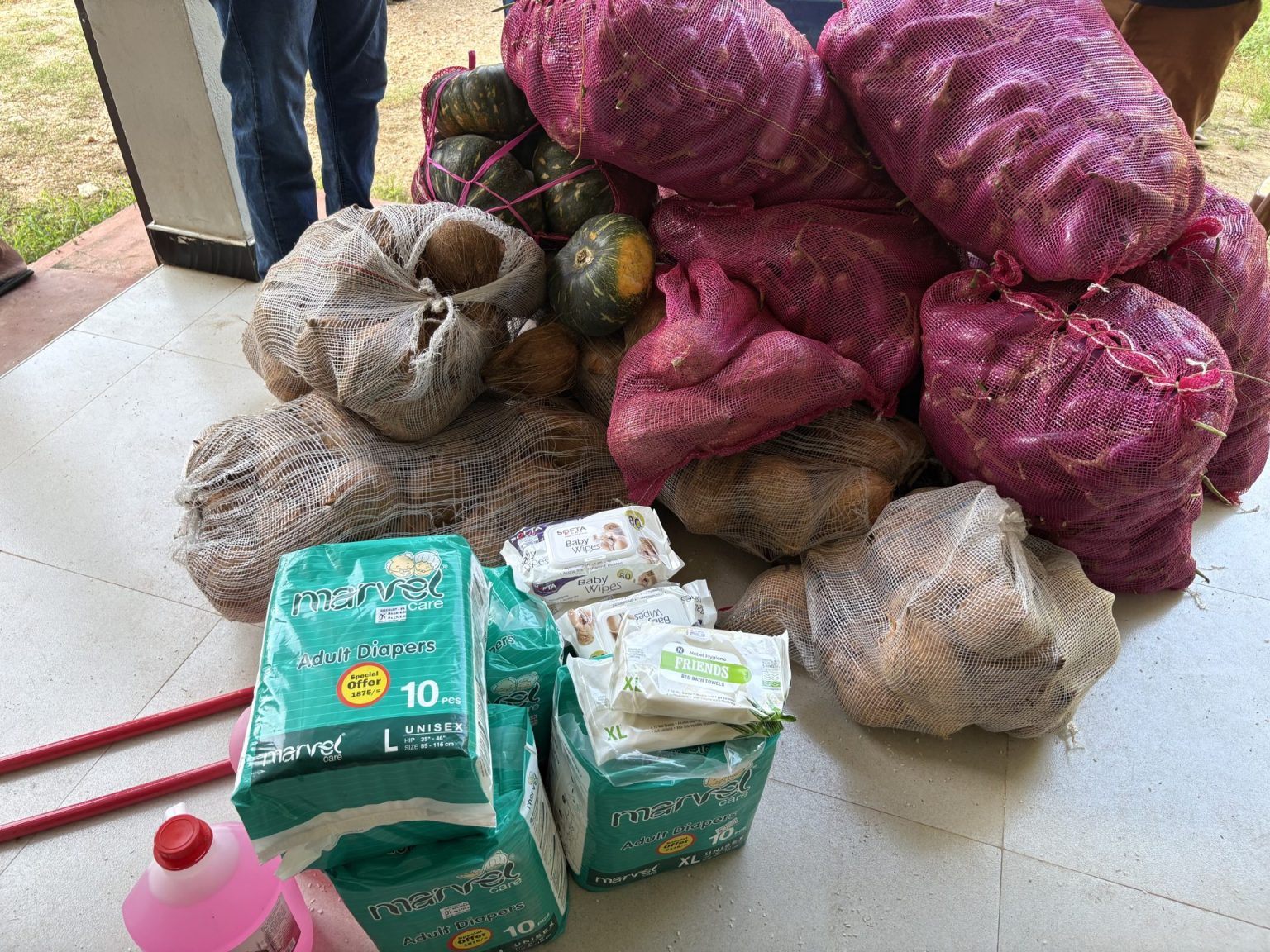
One evacuation center that Peace Winds surveyed had only 10 toothbrushes for 400 evacuees, and another had only three toilets for 120 people. A common problem for many was a lack of sanitary products, including diapers and menstrual pads. After learning about their needs, Peace Winds staff created a system to deliver food, hygiene items, cleaning supplies, and other necessities quickly while continuing to survey as many areas as possible.
A needs assessment is not something that can be done in one day. Even in an area that has already been surveyed, new issues may emerge the next day, so multiple visits are often necessary. The widespread damage in Sri Lanka, spanning plains and mountains, exemplifies how much the needs can also vary from place to place.
The best way to provide support is to remain flexible, coordinating with survivors regularly to ensure that nothing and no one gets overlooked. Peace Winds will continue working to meet these needs as residents begin to rebuild.